

Introduction
Home goods are the everyday items that make a house comfortable, organized, and welcoming. From kitchen tools and storage boxes to cozy blankets and decorative pieces, these products help make daily life easier. Whether you are moving into a new home or simply updating your current space, choosing the right home goods can improve both comfort and style.
Many people buy home goods without much planning. As a result, they often end up with products they rarely use. That is why it is important to understand what you need before shopping. In this guide, you will learn about different types of home goods, how to choose quality products, ways to save money, and tips for keeping your home neat and functional. By the end, you will feel more confident about buying home goods that truly fit your lifestyle.
If you are completely new to this field, don’t worry. This guide on “Home Improvement Ideas” will help you understand everything step by step in simple English, without confusing technical jargon.
What Are Home Goods?
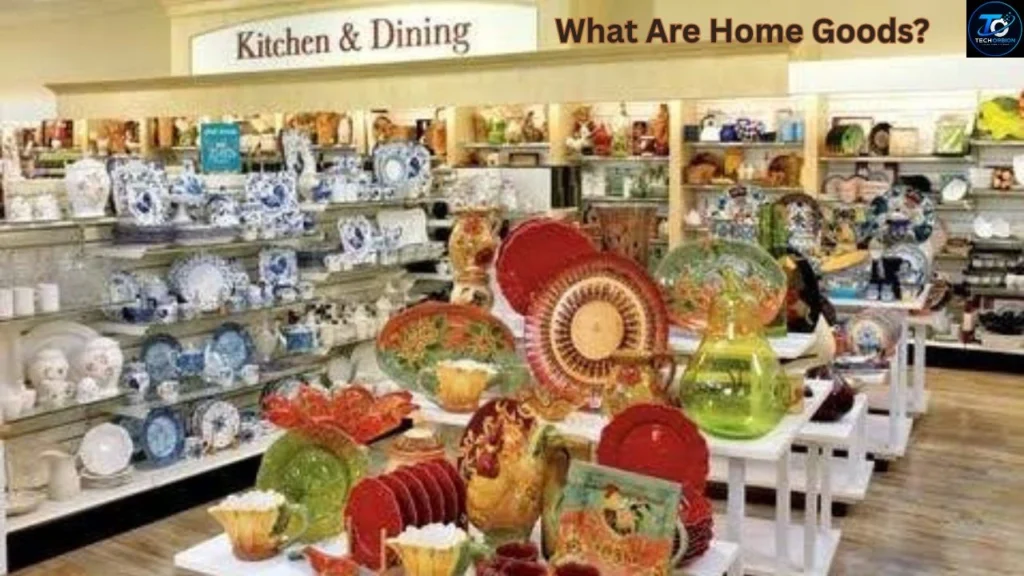
Home goods are products used to decorate, organize, clean, and improve your home. They include furniture, kitchen tools, bedding, lighting, storage items, and many other household essentials.
These products help make everyday tasks easier. For example, a strong storage basket keeps toys organized, while a comfortable pillow helps you sleep better. Even small items like hooks or drawer organizers can make a big difference.
Home goods are available in many styles, colors, and price ranges. Whether you prefer a modern look or a traditional design, you can find products that match your taste and budget.
Different Types of Home Goods
There are many categories of home goods, and each serves a different purpose.
Kitchen items include cookware, cutting boards, food containers, coffee makers, and air fryers. These products make cooking and meal preparation easier.
Bedroom essentials include pillows, blankets, bed sheets, and storage bins. Living room items may include rugs, lamps, decorative pillows, and shelves.
Cleaning products, laundry baskets, organizers, and bathroom accessories also fall under home goods. Outdoor furniture and gardening tools are useful for people with patios or gardens.
How to Choose Quality Home Goods
Buying quality home goods saves money in the long run because durable products last longer.
Start by checking the material. Stainless steel, solid wood, thick fabric, and strong plastic usually offer better durability than cheaper materials.
Read product details carefully. Look at the size, weight, and features before buying. A storage box may look nice, but it should also fit the space where you plan to use it.
Think about daily use. If you cook often, investing in good cookware makes more sense than buying decorative items you rarely use.
Home Goods That Every Home Should Have
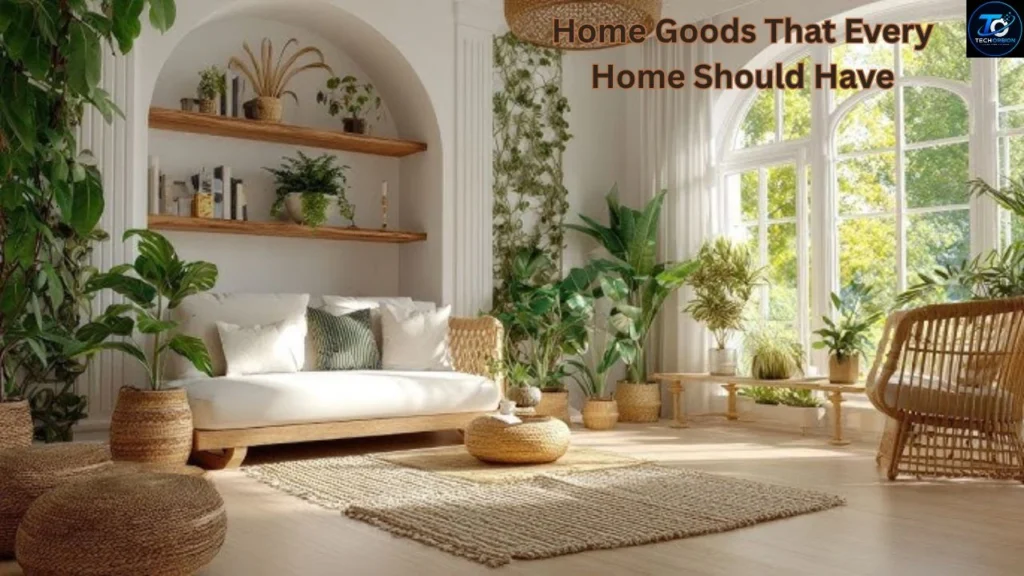
Every home needs a few basic products to stay comfortable and organized.
In the kitchen, useful items include cooking pots, knives, cutting boards, measuring cups, and food storage containers. These make meal preparation simple and efficient.
For the bedroom, comfortable pillows, quality bed sheets, and extra blankets create a relaxing space. In the bathroom, towel racks, shower organizers, and laundry baskets help keep everything tidy.
Storage bins, cleaning supplies, trash cans, and basic tool kits are also essential home goods that every household should own.
Smart Ways to Shop for Home Goods
Shopping without a plan often leads to unnecessary spending.
Before buying anything, make a list of what you actually need. This helps you avoid impulse purchases.
Measure your available space before buying furniture or storage products. A shelf that looks perfect online may not fit your room.
Compare prices between different stores. Sometimes the same product is available at a lower price elsewhere. Waiting for seasonal sales can also help you save money.
Decorating Your Home with Home Goods
Home goods are not only useful but also help create a beautiful home.
Simple decorations like cushions, curtains, rugs, and table lamps can completely change the look of a room. Choose colors that match each other to create a balanced design.
Adding indoor plants makes your home feel fresh and welcoming. Decorative baskets and shelves also provide storage while improving the appearance of your space.
Remember that you do not need expensive decorations. A few carefully selected home goods can make your home look stylish and comfortable.
Organizing Your Home with the Right Products
An organized home feels more peaceful and easier to manage.
Storage containers help keep clothes, toys, books, and office supplies in order. Drawer organizers prevent small items from getting lost.
Closet organizers create extra space by arranging shoes, bags, and folded clothes neatly. Kitchen organizers keep spices, utensils, and food containers easy to find.
Labeling storage boxes can save time because everyone knows where things belong.
Caring for Your Home Goods
Taking care of your home goods helps them last longer.
Clean products regularly according to the manufacturer’s instructions. Dust furniture, wash bedding, and wipe kitchen appliances to keep them looking new.
Avoid placing heavy items on weak shelves or overloading storage boxes. This prevents damage and keeps your home safe.
Repair small problems quickly. Tightening loose screws or fixing small tears early can extend the life of many household items.
Common Trends in Home Goods
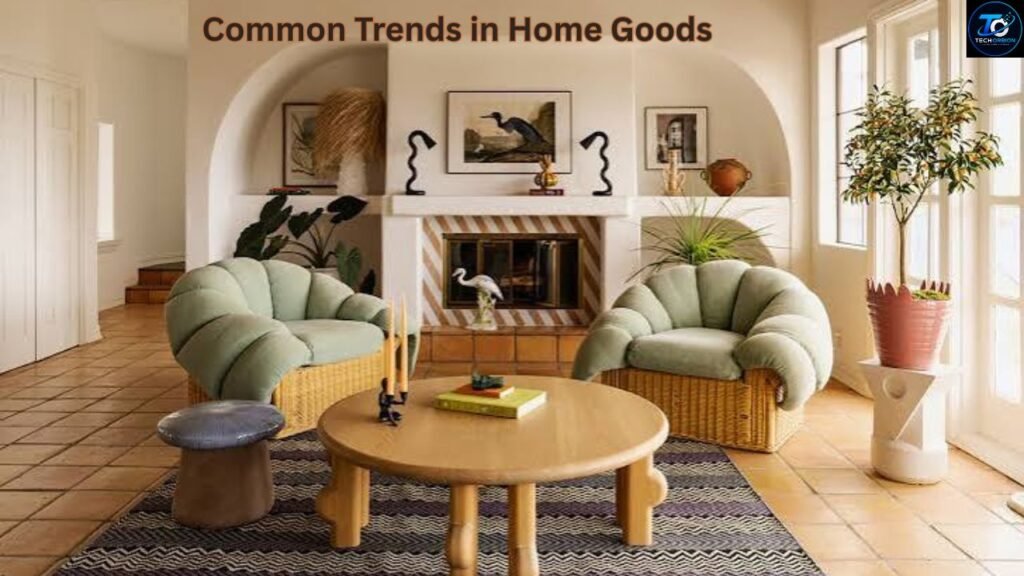
Home goods continue to change as people look for products that are both practical and attractive.
Many homeowners now choose simple designs with neutral colors because they match almost any room. Minimalist furniture and smart storage solutions remain popular.
Eco-friendly home goods are also becoming more common. Reusable containers, bamboo products, and energy-saving lighting help reduce waste while supporting a cleaner environment.
Smart home devices, such as voice-controlled lights and smart plugs, are also becoming useful additions to modern homes.
Today, many homeowners prefer energy-efficient home products because they help reduce electricity bills and lower energy use without sacrificing performance. Appliances such as refrigerators, washing machines, dishwashers, and LED lighting with energy-saving features are becoming increasingly popular. Before buying new appliances, you can explore the official ENERGY STAR program to learn which products meet trusted energy efficiency standards and can help you save money over time.
Benefits of Home Goods
- Make everyday life easier and more comfortable.
- Help keep rooms clean and organized.
- Improve the appearance of your home.
- Save time during daily tasks.
- Increase storage space.
- Create a relaxing living environment.
- Help protect household items from damage.
- Support better cooking and meal preparation.
- Improve home safety with proper organization.
- Add value and style to your living space.
Common Mistakes When Buying Home Goods
- Buying products without measuring the available space.
- Choosing appearance over quality.
- Purchasing items you do not actually need.
- Ignoring product materials and durability.
- Forgetting to compare prices before buying.
- Buying too many decorative items instead of practical essentials.
- Not checking product reviews or specifications.
- Choosing furniture that does not match the room size.
- Forgetting about storage needs.
- Neglecting regular cleaning and maintenance.
Frequently Asked Questions
1. What are home goods?
Home goods are products used inside and around the home, including kitchen tools, furniture, bedding, storage items, cleaning supplies, and decorative accessories.
2. How do I choose the best home goods?
Choose products based on quality, durability, size, function, and your daily needs. Always compare features before making a purchase.
3. Are expensive home goods always better?
Not always. Many affordable products offer excellent quality. Focus on materials, customer reviews, and practical features rather than price alone.
4. How often should I replace home goods?
It depends on the product. Replace items when they become damaged, worn out, or no longer meet your needs. Proper care can make many products last for years.
5. How can I save money when shopping for home goods?
Create a shopping list, compare prices, wait for sales, and buy only products that you truly need. This helps you stay within your budget.
Conclusion
Choosing the right home goods is one of the easiest ways to create a comfortable, organized, and beautiful home. From kitchen essentials and storage solutions to decorative accessories and everyday household items, every purchase should serve a useful purpose. Instead of buying products on impulse, focus on quality, functionality, and your family’s daily needs. Small improvements can make a big difference in how your home looks and feels. By planning your purchases, caring for your belongings, and selecting durable products, you can enjoy a cleaner, more efficient living space for years to come. Whether you are furnishing a new house or updating your current one, investing in the right home goods will help you build a home that is practical, welcoming, and enjoyable every day.