

What Is Retro Futurism?
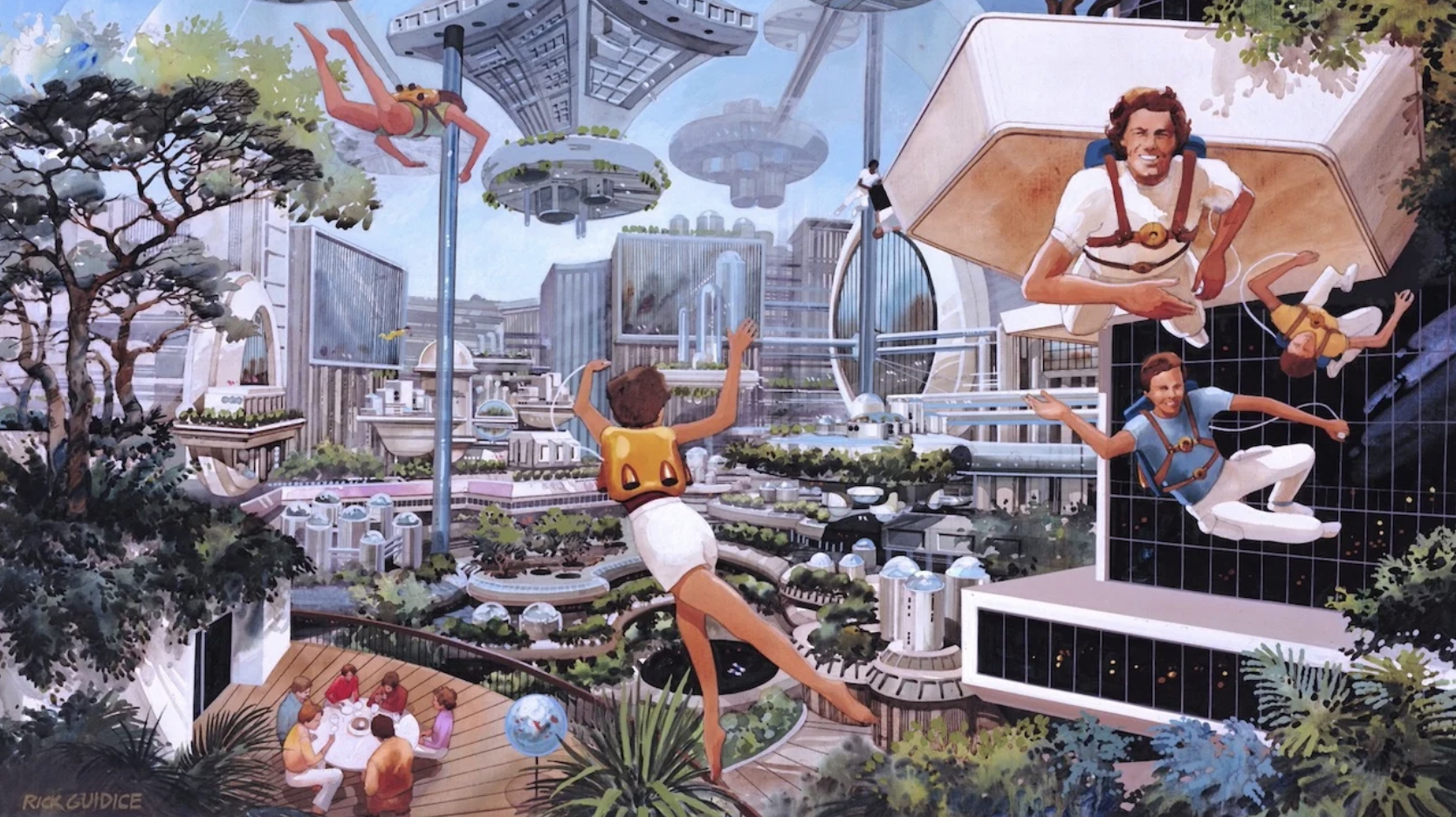
Retro futurism is an artistic, cultural, and design movement that explores how people in the past imagined the future. Instead of focusing only on modern technology, retro futurism looks back at earlier visions of tomorrow—often from the 1920s through the 1980s—and celebrates their optimism, creativity, and bold imagination.
This aesthetic blends vintage styles with futuristic themes. Think flying cars illustrated in 1950s magazines, chrome-heavy robots, neon-lit cityscapes, and space-age architecture. Retro futurism captures a unique emotional tone: nostalgia for a future that never quite happened.
Today, retro futurism appears in fashion, movies, video games, graphic design, interior decor, and digital art. It continues to influence global culture because it combines two powerful emotions—nostalgia and curiosity about the future.
The History of Retro Futurism
Understanding retro futurism requires a journey through history. Different decades imagined the future in very different ways.
Early 20th Century Visions
In the 1920s and 1930s, industrial growth and technological innovation shaped early futuristic thinking. The Art Deco movement introduced sleek geometric shapes and metallic finishes. Designers imagined cities filled with skyscrapers, airships, and streamlined trains.
Science fiction magazines and pulp novels fueled public imagination. The future was seen as mechanical, structured, and powered by innovation.
The Space Age and Retro Futurism
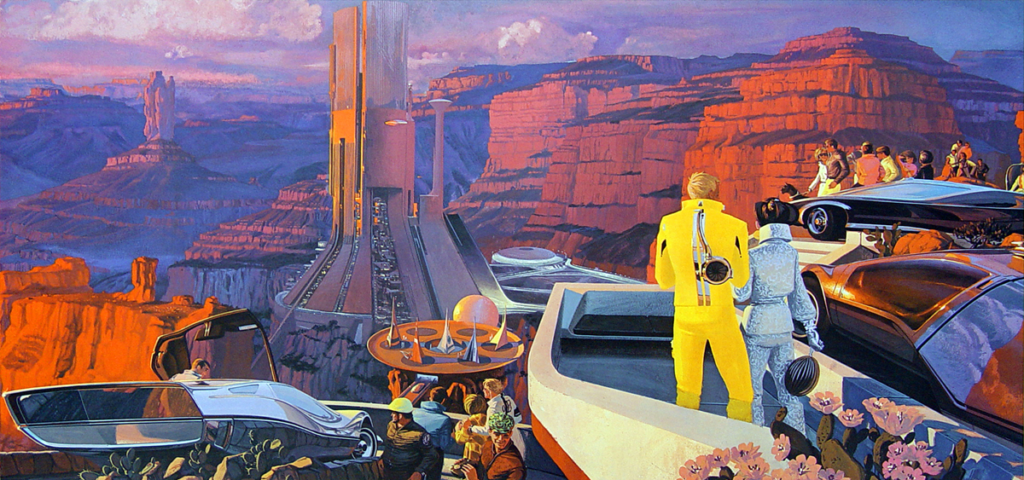
The 1950s and 1960s were crucial to the development of retro futurism. The Space Race between the United States and the Soviet Union created excitement about rockets, astronauts, and interplanetary travel.
During this period:
- Homes featured atomic-inspired patterns.
- Cars looked like rockets.
- Designers used bold colors, chrome finishes, and plastic materials.
- Advertisements promised robotic helpers and smart kitchens.
This era created the most recognizable version of retro futurism.
1970s and 1980s: Digital Dreams
As computers emerged, the future was imagined differently. Neon lights, grid landscapes, and cyber-inspired themes became popular. This period later inspired sub-genres like synthwave and cyberpunk aesthetics.
Movies, arcade games, and electronic music shaped a new wave of retro futurism that still influences pop culture today.
Retro Futurism in Art and Design
Retro futurism plays a major role in visual arts and creative industries.
Graphic Design and Retro Futurism
Designers use:
- Neon color palettes
- Vintage typography
- Space-themed imagery
- Geometric patterns
- Chrome and metallic textures
Posters, album covers, and branding often borrow retro futurism elements to create bold, nostalgic visuals.
Architecture and Retro Futurism
Architecture inspired by retro futurism includes:
- Rounded buildings
- Dome structures
- Futuristic towers
- Atomic-inspired designs
Mid-century modern homes often reflect this aesthetic. Today, designers recreate this style to give buildings a timeless yet forward-looking feel.
Retro Futurism in Fashion
Fashion trends frequently revisit retro futurism.
Key features include:
- Metallic fabrics
- Vinyl materials
- Bold geometric prints
- Space-inspired accessories
- Oversized sunglasses
Designers often mix vintage silhouettes with futuristic textures. Runways sometimes showcase chrome boots, silver jackets, and holographic outfits.
The reason retro futurism works so well in fashion is because it feels both nostalgic and innovative at the same time.
Retro Futurism in Movies and Pop Culture
Cinema has played a major role in spreading retro futurism globally.
Classic science fiction films imagined futuristic cities, robots, and flying vehicles based on the technology available at the time. Even modern productions continue to revisit that vintage-future aesthetic.
Popular elements include:
- Neon cityscapes
- Retro computer interfaces
- Synth music soundtracks
- Analog technology with futuristic functions
Streaming platforms, gaming studios, and digital creators constantly use retro futurism because it feels visually rich and emotionally engaging.
Why Retro Futurism Is Popular Today
Retro futurism has gained massive popularity in recent years. But why?
1. Nostalgia Culture
People enjoy revisiting the past, especially when it represents optimism. Retro futurism reminds audiences of a time when the future seemed exciting and full of possibility.
2. Social Media Visual Appeal
Platforms like Instagram and Pinterest favor bold, colorful aesthetics. Retro futurism’s neon lights, chrome textures, and vintage fonts are highly shareable.
3. Creative Freedom
Retro futurism allows designers to experiment without strict rules. It blends old and new, analog and digital, realism and imagination.
Different Styles Within Retro Futurism
Retro futurism is not just one look. It includes multiple sub-styles:
Atomic Age Retro_Futurism
Inspired by 1950s atomic symbols, starbursts, and space motifs.
Cyberpunk Retro_Futurism
Combines 1980s neon aesthetics with futuristic dystopian themes.
Steampunk Influence
Mixes Victorian-era machinery with futuristic inventions.
Synthwave Retro_Futurism
Features neon grids, sunsets, and 80s-inspired digital landscapes.
Each variation keeps the core idea intact: imagining the future through the lens of the past.
Retro_Futurism in Technology Design
Tech brands often use retro_futurism to market products.
Examples include:
- Vintage-style keyboards
- Retro gaming consoles
- Analog-inspired digital watches
- Polaroid-style cameras with modern features
Consumers love products that feel nostalgic yet advanced. Retro_futurism makes technology feel human and artistic rather than cold and purely mechanical.
How to Incorporate Retro_Futurism in Your Projects
If you are a designer, blogger, or content creator, you can easily use retro_futurism.
For Website Design
- Use neon gradients.
- Add vintage-inspired fonts.
- Include chrome or metallic textures.
- Use grid-based backgrounds.
For Interior Design
- Add mid-century furniture.
- Use bold wallpaper patterns.
- Incorporate metallic lighting fixtures.
- Choose bright accent colors.
For Social Media Branding
- Create synthwave-inspired graphics.
- Use bold geometric shapes.
- Apply vintage filters to modern images.
Retro_futurism works especially well for creative industries.
Retro_Futurism vs Modern Futurism
It’s important to understand the difference.
Modern futurism focuses on cutting-edge innovation, minimalism, and sleek technology.
Retro_futurism, however, celebrates older visions of the future. It embraces imperfections and analog aesthetics.
Where modern futurism feels clinical and realistic, retro_futurism feels imaginative and emotional.
The Emotional Power of Retro_Futurism
One reason retro_futurism continues to grow is emotional connection.
It reminds people that the future has always been shaped by hope. Even if past predictions were inaccurate, they reflected optimism and creativity.
Retro_futurism invites us to imagine again—without limits.
SEO Benefits of Writing About Retro_Futurism
From a content strategy perspective, retro_futurism is a strong keyword because:
- It targets art and design enthusiasts.
- It attracts fashion and pop culture audiences.
- It works well for Pinterest traffic.
- It has evergreen search demand.
Writers can create supporting content such as:
- Retro_futurism fashion trends
- Retro_futurism interior ideas
- Retro_futurism art inspiration
- Retro_futurism color palettes
This makes it ideal for building topical authority.
Future of Retro_Futurism
Retro_futurism will likely continue evolving.
As technology advances with AI, virtual reality, and digital art tools, creators may reinterpret old futuristic dreams again.
The cycle of nostalgia and innovation never stops. Each generation reimagines the future through its own cultural lens.
Retro_futurism proves that creativity is timeless.
Frequently Asked Questions About Retro_Futurism
What defines retro_futurism?
Retro_futurism is defined by combining vintage design elements with futuristic concepts imagined in the past.
Is retro_futurism the same as cyberpunk?
No. Cyberpunk is a sub-style that focuses on dystopian futures, while retro_futurism can be optimistic and playful.
Why is retro_futurism trending?
It blends nostalgia with bold aesthetics, making it ideal for modern visual platforms.
Conclusion
Retro_futurism is more than just a visual style—it is a cultural movement rooted in imagination. By blending past visions of tomorrow with modern creativity, it creates something emotionally powerful and visually striking.
From architecture and fashion to digital design and social media branding, retro_futurism continues to influence global trends. Its mix of nostalgia and innovation ensures it remains relevant for years to come.
If you are looking for an aesthetic that feels unique, bold, and timeless, retro_futurism offers endless creative possibilities.
