

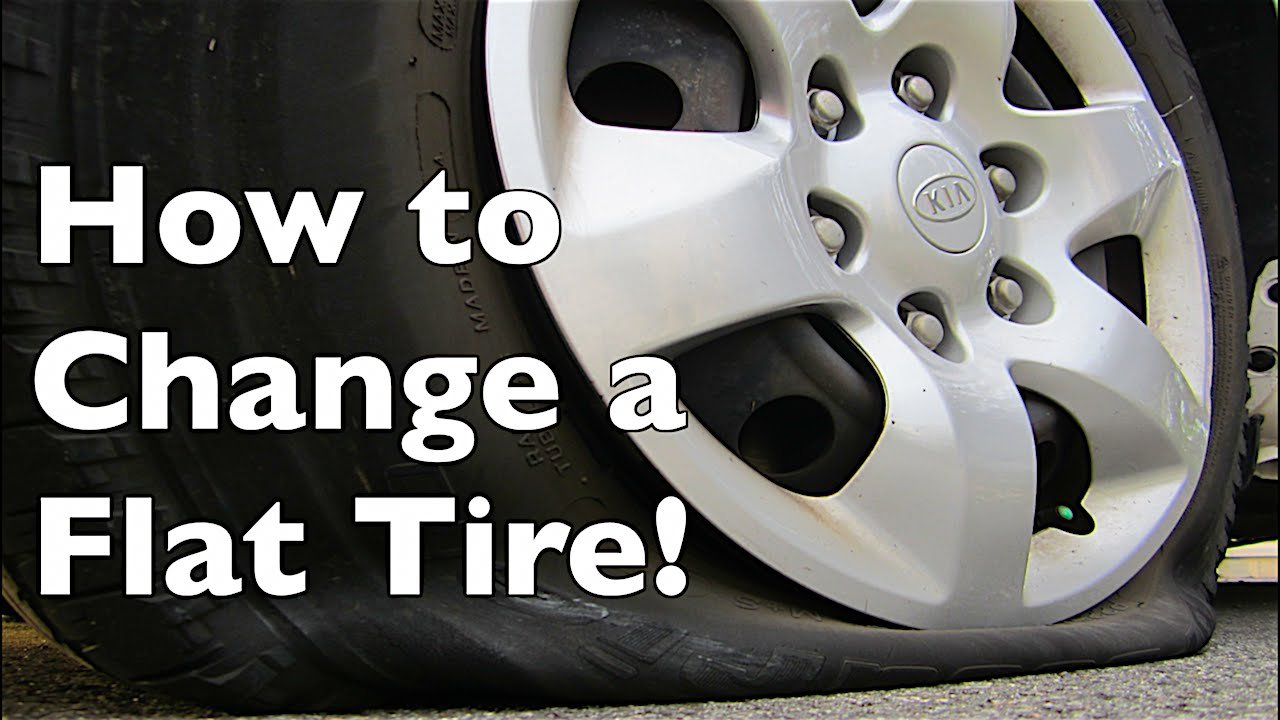
Getting a flat tire can be stressful, but knowing how to change a tire properly can save you time, money, and frustration. Whether you’re stranded on the side of the road or preparing for an emergency, understanding the process ensures safety and efficiency. This guide covers everything you need to know, from safety precautions to tire replacement, and tips for maintaining your vehicle.
Why Knowing How to Change a Tire is Importan
Knowing how to change a tire is an essential skill for every driver. Tires can fail unexpectedly due to potholes, debris, or wear and tear. Without this knowledge, you may have to rely on roadside assistance, which can be costly or slow.
Some key benefits of learning how to change a tire include:
- Emergency Preparedness: Quickly handle a flat tire without waiting for help.
- Cost Savings: Avoid towing fees and labor charges.
- Confidence and Safety: Reduce the risk of accidents when dealing with tire problems on the road.
By learning the proper steps, you can ensure that the replacement is done safely and efficiently.
Tools You Need to Change a Tire
Before learning how to change a tire, you need to gather essential tools. Having the right equipment ensures the process is safe and straightforward.
Essential Tools:
- Spare Tire: Make sure it is properly inflated and in good condition.
- Jack: A hydraulic or scissor jack suitable for your vehicle.
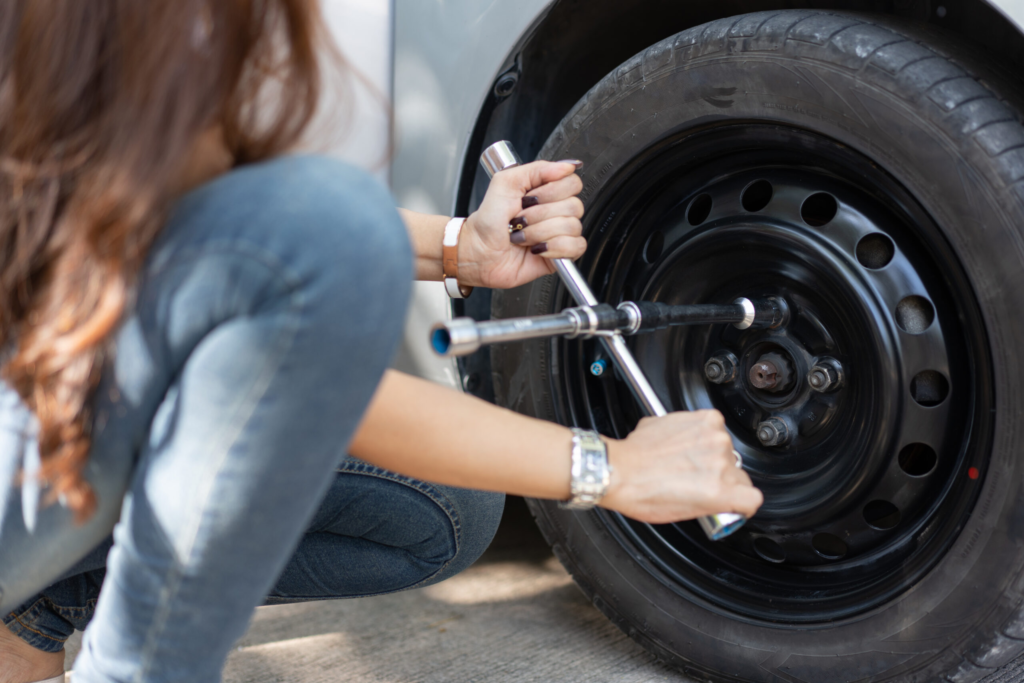
- Lug Wrench: Often included with your car; used to remove lug nuts.
- Wheel Wedges: To prevent the car from rolling while lifted.
- Owner’s Manual: For specific instructions related to your vehicle.
- Gloves and Safety Gear: Optional but recommended for hygiene and safety.
Always check that your spare tire is functional and that all tools are in good working condition before starting.
Safety Precautions Before Changing a Tire
Safety is the first priority when learning how to change a tire. Failing to follow proper precautions can result in injury or damage to the vehicle.
Key Safety Tips:
- Park on a Flat Surface: Avoid hills or uneven terrain.
- Engage Parking Brake: Prevent the vehicle from rolling.
- Use Wheel Wedges: Place them on the opposite tire to block movement.
- Turn on Hazard Lights: Alert other drivers if you are on the roadside.
- Check Traffic Conditions: Ensure it is safe to exit the vehicle and work on the tire.
Following these precautions minimizes risks and makes the process smoother.
Step-by-Step Guide: How to Change a Tire
Here’s a detailed step-by-step guide to teach you how to change a tire properly.
Step 1: Loosen the Lug Nuts
Before lifting the vehicle, use the lug wrench to slightly loosen the lug nuts on the flat tire. Do not remove them completely yet. This prevents the wheel from spinning while using the jack.
Step 2: Position the Jack
Refer to your car’s owner’s manual for the proper jack point, usually near the wheel well. Place the jack securely and ensure it is on stable ground. Slowly lift the vehicle until the flat tire is about 6 inches off the ground.
Step 3: Remove the Lug Nuts and Flat Tire
Once the vehicle is lifted, completely remove the loosened lug nuts. Carefully pull the flat tire straight off the wheel hub and set it aside.
Step 4: Mount the Spare Tire
Align the spare tire with the wheel bolts and push it onto the hub. Hand-tighten the lug nuts to secure it in place.
Step 5: Lower the Vehicle and Tighten Lug Nuts
Slowly lower the jack until the vehicle rests on the ground. Use the lug wrench to tighten the lug nuts in a crisscross or star pattern. This ensures the tire is evenly secured and prevents wobbling.
Step 6: Check the Tire Pressure
After replacing the tire, check its pressure using a tire gauge. Inflate it to the recommended PSI mentioned in your vehicle’s manual.
By following these steps, you can safely and efficiently change a tire on almost any car.
Tips for Changing a Tire Quickly and Safely
Knowing how to change a tire also means knowing shortcuts and best practices. Here are some tips:
- Practice at Home: Familiarity with your tools and car makes roadside changes easier.
- Keep a Tire Repair Kit: Useful for minor punctures or emergencies.
- Use a Torque Wrench: Ensures lug nuts are tightened to manufacturer specifications.
- Wear Gloves: Protects hands from dirt and injury.
- Keep Flashlight in the Car: Essential for nighttime tire changes.
Regular practice and preparation reduce stress during actual emergencies.
Common Mistakes When Changing a Tire
Even experienced drivers can make mistakes. Here are errors to avoid when learning how to change a tire:
- Failing to Engage the Parking Brake: Can cause the car to roll.
- Not Loosening Lug Nuts Before Jacking: Makes removal harder and dangerous.
- Improper Jack Placement: Risk of damaging the car or injuring yourself.
- Skipping Tire Pressure Check: May lead to unsafe driving conditions.
- Over-tightening or Under-tightening Lug Nuts: Can cause tire wobbling or damage.
Being aware of these mistakes ensures a safer tire-changing experience.
When to Replace Your Spare Tire
Knowing how to change a tire is only part of the equation. You also need to maintain your spare tire.
- Check Pressure Regularly: At least once a month.
- Inspect for Damage: Look for cracks, wear, or punctures.
- Replace After Use: Temporary spares (donuts) should be replaced promptly.
A well-maintained spare tire ensures you are ready for any emergency.
How to Change a Tire on Different Vehicle Types
Changing a tire may vary slightly depending on your vehicle.
On Sedans and Hatchbacks:
Follow standard steps with the jack positioned at manufacturer-recommended points.
On SUVs and Trucks:
These vehicles may require a heavier-duty jack and additional help due to larger tires.
On Electric Vehicles:
Refer to the owner’s manual carefully, as some EVs have unique jack points and torque specifications.
Always follow manufacturer guidance to avoid damage.
Professional Help vs DIY: Changing a Tire
While learning how to change a tire is useful, there are situations where professional help is better:
- Severe Weather: Snow, rain, or poor visibility can make DIY changes dangerous.
- Heavy Vehicles: Large trucks or vans may require special equipment.
- Damaged Tire Components: If the wheel, hub, or brakes are damaged, call a professional.
For routine flat tires, however, DIY is usually safe and efficient if proper precautions are taken.
Preventive Measures to Avoid Flat Tires
Knowing how to change a tire is essential, but preventing flats is even better:
- Check Tire Pressure Regularly: Proper inflation reduces the risk of flats.
- Inspect Tread and Sidewalls: Replace tires before excessive wear occurs.
- Avoid Road Hazards: Watch for potholes, debris, and sharp objects.
- Rotate Tires Periodically: Even wear prolongs tire life.
- Carry a Tire Repair Kit: Temporary fixes can help until a full change is possible.
Preventive maintenance ensures fewer emergencies on the road.
Conclusion
Learning how to change a tire is a vital skill for every driver. With proper tools, safety precautions, and step-by-step knowledge, you can handle flat tires confidently and safely.
Whether it’s practicing at home, maintaining your spare, or understanding different vehicle requirements, being prepared ensures peace of mind on the road. Remember, safety comes first: engage the parking brake, use wheel wedges, and follow proper procedures.
