

Introduction
North Sentinel Island is one of the most mysterious and restricted places on Earth. Located in the Bay of Bengal off the coast of India, the island is home to one of the last remaining uncontacted tribes in modern times — the Sentinelese — who have actively resisted contact with the outside world for thousands of years. The story of North Sentinel Island is not just about geography but about human history, isolation, cultural resilience, and the ethical dilemmas surrounding contact with isolated peoples.
Scientists, adventurers, and armchair explorers alike are fascinated by this remote island, which remains largely untouched by modern civilization. Today, governments enforce strict laws to protect the Sentinelese and their land, making North Sentinel Island both a symbol of human diversity and a reminder of how fragile isolated cultures can be.
This comprehensive guide explores the geography, history, people, laws, interactions, controversies, and global significance of North Sentinel Island — fully optimized with your focus keyword used naturally and according to Rank Math best practices.
Where Is North Sentinel Island?
North Sentinel Island lies in the Bay of Bengal as part of the Andaman and Nicobar Islands, a sprawling archipelago in the Indian Ocean. The island is about 50–60 km west of Port Blair, the capital of the Andaman and Nicobar Islands. It covers roughly 59.67 square kilometers and is encircled by coral reefs that make access difficult. []
The island’s topography includes dense tropical forests, white sandy beaches, and a narrow fringe of coral reefs that protect it from easy landings. Unlike many neighboring islands, North Sentinel Island has no coastal infrastructure, ports, or modern human development. []
Who Lives on North Sentinel Island?
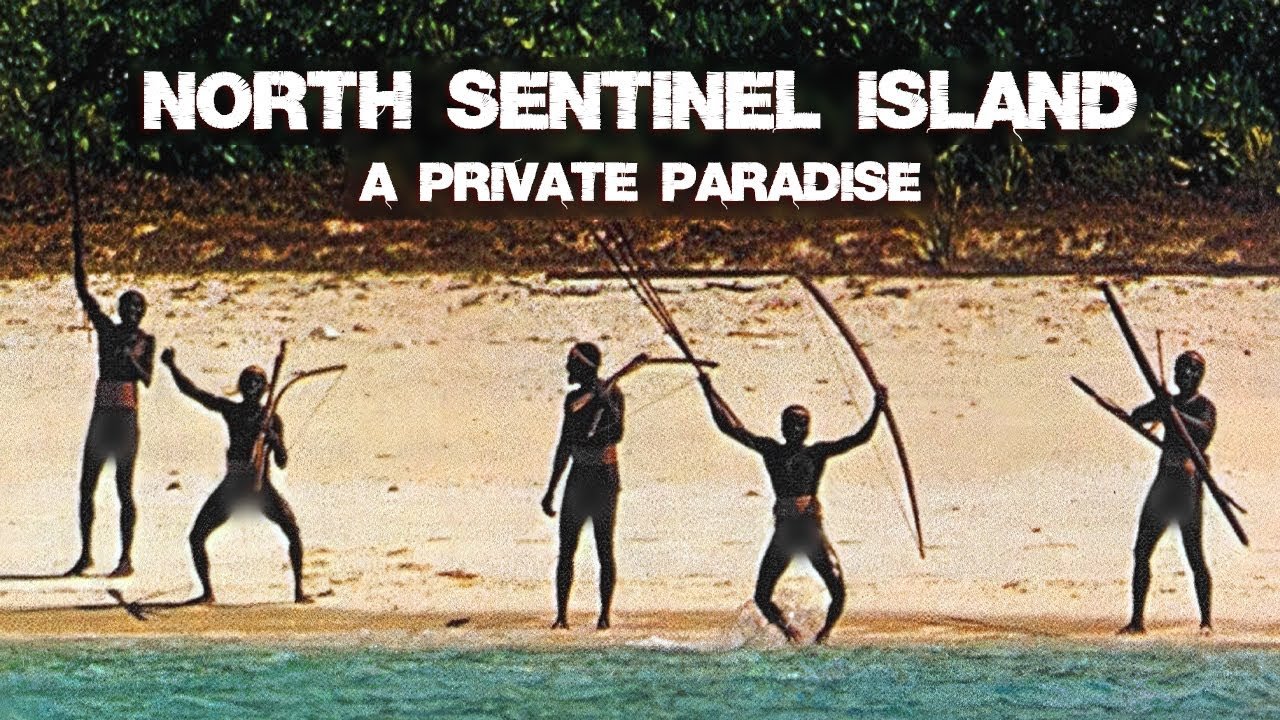
The only inhabitants of North Sentinel Island are the Sentinelese, an Indigenous people who have maintained a completely isolated way of life for generations. Anthropologists regard them as one of the most uncontacted tribes in existence, and they have repeatedly rejected contact with outsiders. []
Estimates of the Sentinelese population vary widely. Official census counts have been extremely low due to limited visibility from offshore surveys, but anthropological estimates suggest there may be anywhere from 50 to 150 people living on the island. []
The language spoken by the Sentinelese is undocumented, and virtually no reliable information exists about their cultural practices, religious beliefs, or social structure — because they intentionally avoid interaction and have consistently resisted contact. []
History and Isolation of North Sentinel Island
Ancient Roots and Early Awareness
Historical records suggest that the Sentinelese have inhabited the island for thousands of years, possibly migrating there more than 60,000 years ago as part of early human dispersals. Anthropologists believe that their ancestors separated from other tribes long before many other Indigenous groups adopted agriculture, writing, or modern tools. []
The nearby Onge tribe — another Indigenous group of the Andaman Islands — may have known North Sentinel Island as Chia daaKwokweyeh, but contact between them and the Sentinelese was minimal and non‑sustained. []
Colonial Sightings and Contact Attempts
European explorers first observed North Sentinel Island in the 18th century when British surveyor John Ritchie passed by the island in 1771. Later, in the late 1800s, British officials attempted brief visits, but these interactions also highlighted the tribe’s resistance to outsiders. []
In the 20th century, Indian anthropologists conducted a series of cautious contact expeditions during the 1960s through the early 1990s, hoping to establish peaceful relations. The most notable peaceful encounter occurred in 1991, when gifts such as coconuts were offered from boats. However, these moments were rare and eventually ceased altogether. []
Why North Sentinel Island Is Off‑Limits
The government of India has declared North Sentinel Island off‑limits to all outsiders for decades — a policy rooted in both ethics and public health.
Under the Andaman and Nicobar Islands (Protection of Aboriginal Tribes) Regulation, 1956, entry onto the island and approach within five nautical miles of its shores is strictly prohibited. These laws are designed to:
- Protect the Sentinelese from diseases to which they have no immunity. Contact with outsiders could introduce infections that could devastate their small population.
- Preserve cultural autonomy, allowing them to continue their way of life without external influence or exploitation.
- Ensure the safety of visitors, as the Sentinelese have repeatedly shown hostility — often with bows and arrows — toward any approaching boat or aircraft. []
The Indian government regularly monitors the waters around the island using naval and coast guard patrols to enforce these protections. []
Encounters and Incidents on North Sentinel Island
Fatal Encounters
Throughout the past century, there have been a few dangerous interactions between outsiders and North Sentinel Island residents. One of the most widely reported cases occurred in 2018, when an American missionary, John Allen Chau, illegally traveled to the island to attempt contact and was killed by the Sentinelese after landing on the beach. []
These tragic outcomes reinforce why authorities strongly enforce the no‑contact regulations and why approaching the island without permission remains both illegal and life‑threatening.
2025 Illegal Landing Incident
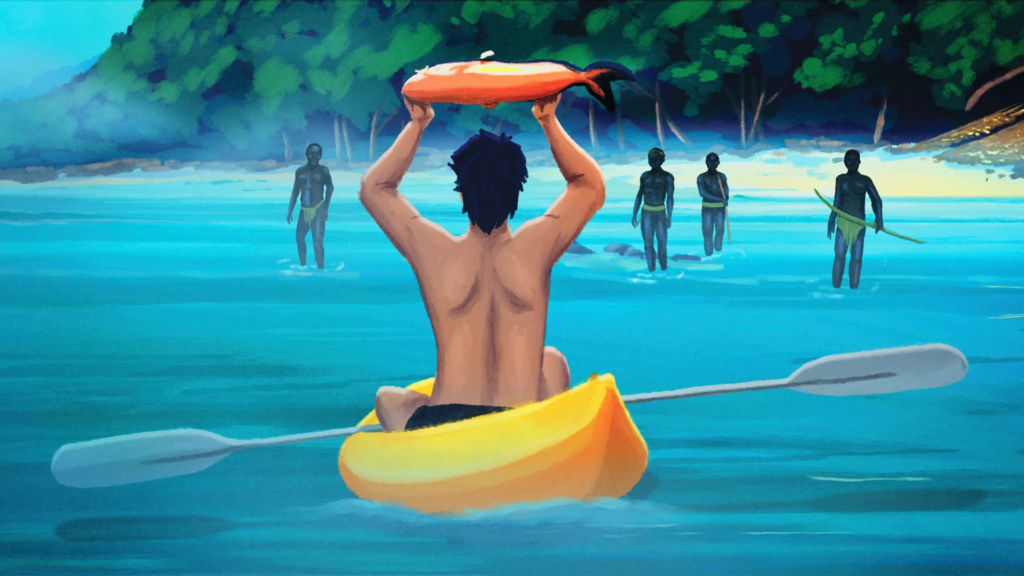
In March 2025, a 24‑year‑old American YouTuber was arrested by Indian police after he illegally landed on North Sentinel Island, bringing a can of Diet Coke and a coconut in an attempt to make contact with the isolated tribe. He later filmed his excursion and was taken into custody upon return. []
Officials emphasized that such attempts endanger both the health and lives of the Sentinelese and the intruders themselves. The arrested man faced potential prison time and fines for violating protected area regulations. []
The Sentinelese Way of Life
Because of their isolation, almost nothing is known in detail about daily life on North Sentinel Island. However, researchers and anthropologists have made some educated observations from distant viewpoints:
- The Sentinelese are believed to be hunter‑gatherers, relying on spears, bows, and arrows for hunting.
- They fish, forage, and utilize the island’s rich ecosystem to survive.
- Their tools may include repurposed metal from historic shipwrecks.
- No written language, agriculture, or domesticated animals are known to be part of their culture. []
The tribe’s complete lack of integration with the outside world makes North Sentinel Island one of the few places on Earth where a human community lives with minimal modern influence.
Ethics of Isolation and Preservation
The isolation of North Sentinel Island raises ethical questions about protection, anthropology, and human rights.
Supporters of non‑contact policies argue that the Sentinelese have the right to their own cultural self‑determination and that any outsider attempts could irreparably harm their society. International Indigenous rights organizations stress that safeguarding their autonomy is paramount. []
Critics sometimes debate whether more should be known about such isolated groups, but the dominant global consensus prioritizes respecting their choice of isolation above curiosity or research goals.
North Sentinel Island in Popular Culture and Media
North Sentinel Island has become a subject of global fascination. Documentaries, books, online discussions, and social media narratives explore the tribe’s mysterious lifestyle and the island’s natural beauty. Many people are intrigued by the idea of a place on Earth that remains virtually untouched by modern civilization, making it a symbol of human diversity and cultural preservation.
However, media portrayal often varies from respectful curiosity to sensationalism, so understanding the island through verified facts and cultural respect is crucial.
Why the World Is Fascinated by North Sentinel Island
Several factors contribute to the worldwide interest in North Sentinel Island:
- Isolation — It may be one of the last places where humans live with minimal external influence.
- Mystery — Limited knowledge about the Sentinelese lifestyle piques curiosity and imagination.
- Ethics and Protection — There is ongoing global conversation about protecting Indigenous peoples’ rights and self‑determination.
- Human Diversity — North Sentinel Island reminds us of the rich variety of human cultures and histories that still exist today.
Conclusion
North Sentinel Island remains one of Earth’s most compelling and enigmatic places — a remote, forest‑covered land inhabited by a people who have chosen to remain hidden from the rest of humanity. Their resilience, autonomy, and commitment to isolation have shaped global policies that protect their way of life and prevent devastating contact.
Although curiosity about North Sentinel Island continues to grow, modern laws and ethical considerations recognize the importance of leaving this island and its people undisturbed. The story of North Sentinel is not just about discovery, but about respect, humanity, and the value of cultural preservation in a rapidly globalizing world.
