

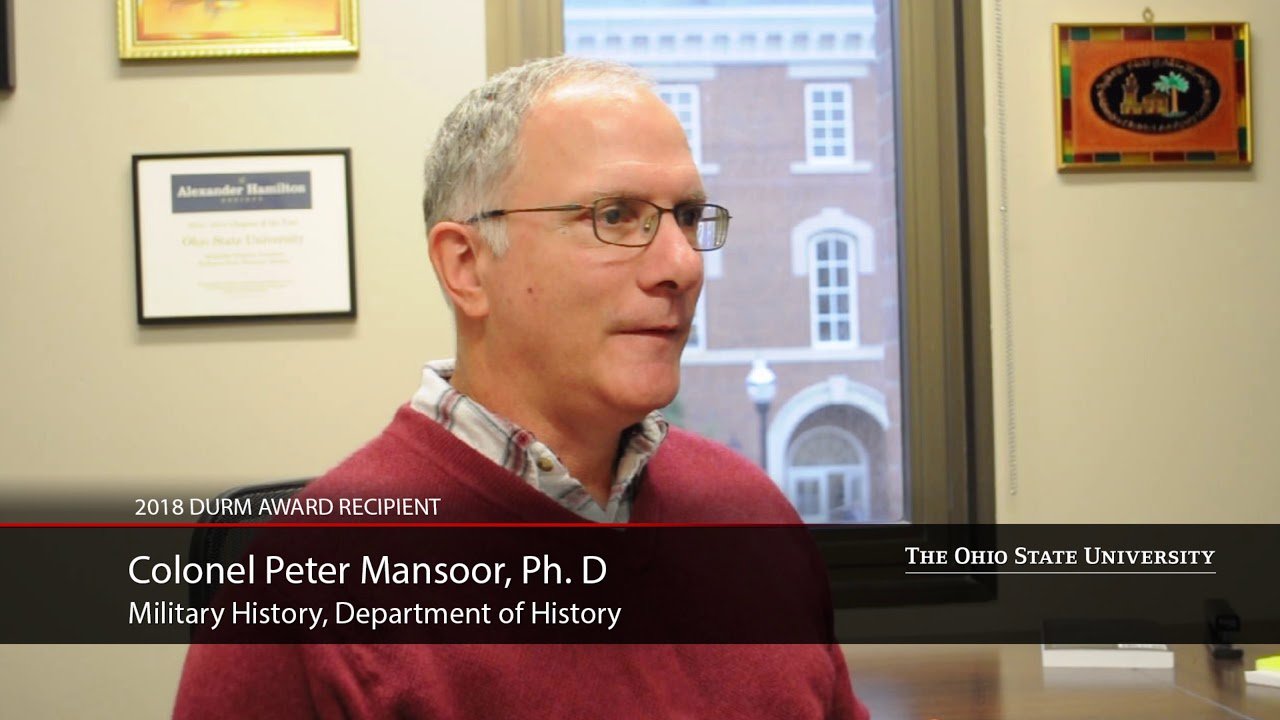
Introduction to Peter Mansoor
Peter Mansoor is widely recognized as a distinguished military officer, historian, and academic. Known for his deep understanding of modern warfare and military strategy, Peter Mansoor played a key role in shaping discussions about counterinsurgency and military operations in the 21st century.
During his long career in the United States Army, Mansoor gained firsthand experience in combat leadership and operational planning. Later, he transitioned into academia, where he became an influential voice in military studies.
Today, Peter Mansoor is respected not only for his battlefield leadership but also for his scholarly work on modern warfare and strategy. His insights into military operations, particularly during the Iraq War, continue to shape discussions among policymakers, historians, and military professionals.
Peter Mansoor Early Life and Education
Peter Mansoor was born in the United States and grew up during a time when global politics and military conflicts played a significant role in shaping international relations.
From a young age, he showed interest in history, leadership, and military affairs. These interests eventually led him to pursue higher education and military service.
Mansoor attended the prestigious United States Military Academy, one of the most respected military institutions in the world. The academy is known for producing leaders who go on to serve in high-ranking positions within the military and government.
At West Point, Peter Mansoor received rigorous training in leadership, military tactics, and strategic planning. His education prepared him for the challenges he would later face as a combat officer.
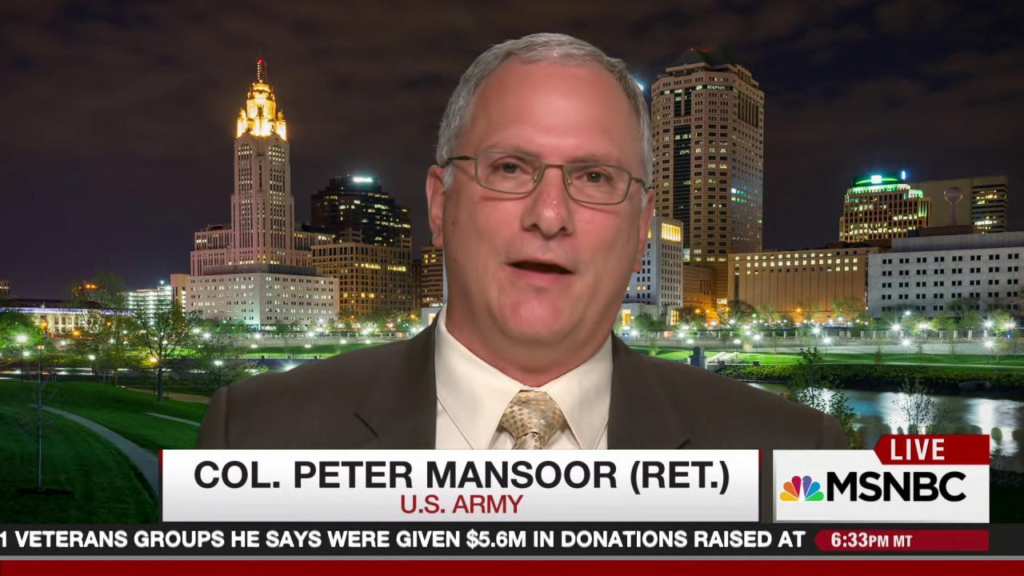
Peter Mansoor Military Career in the United States Army
After graduating from West Point, Peter Mansoor began his professional career in the United States Army.
Over the years, he served in multiple leadership roles, gaining experience in both operational and strategic environments. His military career included deployments and leadership responsibilities in several critical missions.
One of the most notable moments in Peter Mansoor’s military career occurred during the Iraq War. During this period, he served as a brigade commander and later played an important role in developing counterinsurgency strategies.
His leadership skills and strategic thinking earned him recognition within the military community.
Peter Mansoor and the Iraq War Leadership
The Iraq War became a defining chapter in Peter Mansoor’s career.
During the conflict, he commanded the 1st Brigade, 1st Armored Division, where he led soldiers in complex urban combat operations. This role required not only tactical expertise but also the ability to manage difficult political and social challenges.
Military operations in Iraq involved:
- Urban warfare
- Counterinsurgency operations
- Civilian protection
- Reconstruction efforts
Peter Mansoor’s experience during this period gave him deep insights into modern warfare, particularly the complexities of fighting insurgent forces.
His work during the Iraq War would later influence military doctrine and academic research.
Peter Mansoor and the Iraq Surge Strategy
Another significant aspect of Peter Mansoor’s career was his involvement in the development of the Iraq Surge strategy.
He served as executive officer to David Petraeus, who commanded coalition forces in Iraq. The surge strategy involved deploying additional troops to stabilize the country and reduce violence.
This strategy aimed to:
- Improve security in Iraqi cities
- Reduce insurgent activity
- Strengthen local governance
- Build partnerships with local communities
Peter Mansoor played an important role in planning and implementing these operations. The surge strategy remains one of the most studied military campaigns of the early 21st century.
Peter Mansoor Transition to Academic Career
After retiring from active military service, Peter Mansoor transitioned into academia.
He became a professor at Ohio State University, where he focused on military history and strategic studies.
At the university, Peter Mansoor teaches courses related to:
- Military strategy
- War history
- National security
- Modern warfare
His academic career allows him to combine practical battlefield experience with historical analysis, giving students a unique perspective on military leadership.
Peter Mansoor Contributions to Military History
Peter Mansoor is also widely respected as a military historian.
Through his research and writing, he has contributed significantly to the understanding of modern warfare. His work explores how military strategies evolve and how political decisions influence battlefield outcomes.
His research focuses on:
- Counterinsurgency warfare
- Military leadership
- Strategic decision-making
- Modern military doctrine
By analyzing past conflicts, Peter Mansoor provides valuable lessons for future military leaders and policymakers.
Peter Mansoor Books and Publications
Peter Mansoor has written and edited several influential books on military history and strategy.
Some of his well-known works include:
Surge: My Journey with General David Petraeus and the Remaking of the Iraq War
In this book, Mansoor provides an insider’s perspective on the Iraq Surge and the decision-making process behind the strategy.
Baghdad at Sunrise
This book focuses on his experience as a brigade commander during the Iraq War and describes the challenges faced by soldiers on the ground.
The Culture of Military Organizations
This edited volume examines how military culture affects decision-making and battlefield performance.
Through these publications, Peter Mansoor has become an important voice in military scholarship.
Peter Mansoor Views on Modern Warfare
As a strategist and historian, Peter Mansoor frequently comments on the changing nature of warfare.
According to Mansoor, modern conflicts differ from traditional wars in several ways:
- Asymmetric Warfare
Modern conflicts often involve insurgent groups rather than traditional armies. - Urban Combat
Many battles now occur in cities rather than open battlefields. - Information Warfare
Media, communication networks, and public opinion play major roles in shaping outcomes. - Coalition Operations
Military operations increasingly involve international partnerships.
Peter Mansoor’s analysis helps governments and military leaders understand these evolving challenges.
Peter Mansoor Influence on Military Strategy
Over time, Peter Mansoor has influenced both military policy and academic discussions about warfare.
His contributions include:
- Developing counterinsurgency strategies
- Advising military leaders
- Writing scholarly research
- Educating future military analysts
Because of his combined experience as a soldier and scholar, Mansoor is often invited to speak at conferences and policy discussions.
His expertise continues to shape debates about global security and military planning.
Peter Mansoor Awards and Recognition
During his career, Peter_Mansoor received several honors for his service and contributions.
Military awards recognize leadership, bravery, and dedication to national service. While the specific decorations vary, his reputation as a respected officer and scholar remains widely acknowledged.
Beyond military recognition, his academic contributions have also earned praise from historians and strategic analysts.
Peter_Mansoor Personal Life
Although Peter_Mansoor is well known in military and academic circles, he maintains a relatively private personal life.
Most public attention focuses on his professional work, including his military leadership and scholarly publications.
Like many military veterans, he remains committed to educating future leaders and sharing lessons learned from past conflicts.
Why Peter_Mansoor Remains an Influential Figure
Peter_Mansoor continues to be an influential voice in discussions about military strategy and international security.
His career represents a rare combination of:
- Combat leadership
- Strategic planning
- Historical research
- Academic teaching
Because of this unique background, his insights carry significant weight in both military and academic communities.
Students, policymakers, and historians often rely on his analysis to understand the complexities of modern warfare.
Conclusion
Peter_Mansoor stands out as a remarkable figure in both military service and academic scholarship. From his early education at the United States Military Academy to his leadership roles during the Iraq War, his career reflects dedication to understanding and improving military strategy.
After retiring from the United States Army, Peter_Mansoor continued contributing to national security discussions through his academic work at Ohio State University. His books, lectures, and research provide valuable perspectives on modern warfare and leadership.
As global security challenges continue to evolve, the insights and experiences of Peter_Mansoor remain highly relevant. His work helps bridge the gap between battlefield experience and scholarly analysis, making him an important figure in contemporary military studies.
