

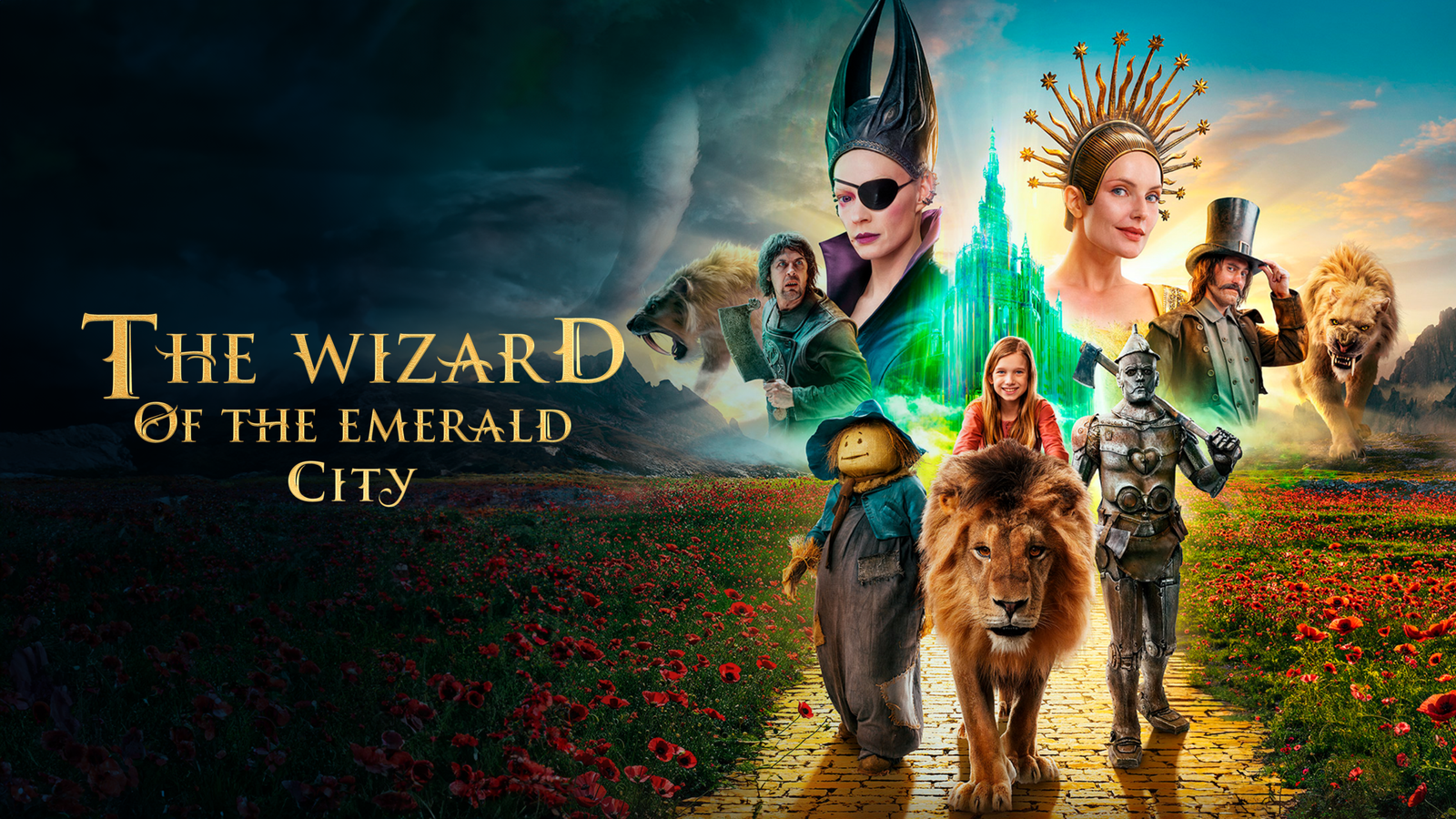
Introduction to Emerald City
The term emerald city is widely recognized around the world for its magical, cultural, and geographic significance. Depending on the context, emerald city may refer to a fictional place in literature or a nickname for a real-world city known for its lush greenery and vibrant landscape.
Most famously, the Emerald City appears in the classic novel The Wonderful Wizard of Oz, written by L. Frank Baum. In the story, the Emerald City is the capital of the magical Land of Oz and serves as the destination for the protagonist Dorothy and her companions.
In the real world, the nickname “Emerald City” is often associated with Seattle, which earned this title due to its lush evergreen forests and green landscapes.
The concept of emerald city has become a symbol of wonder, beauty, ambition, and environmental harmony. In this article, we will explore the history, meaning, cultural significance, and modern references of the emerald city.
Emerald City in Literature
The most famous representation of the emerald city comes from the iconic children’s novel The Wonderful Wizard of Oz.
In the story, the Emerald City is a dazzling metropolis made entirely of green glass and emerald-colored structures. It is ruled by the mysterious wizard known as Wizard of Oz.
The city represents hope and the fulfillment of dreams. Dorothy and her friends travel there believing the wizard can grant their wishes.
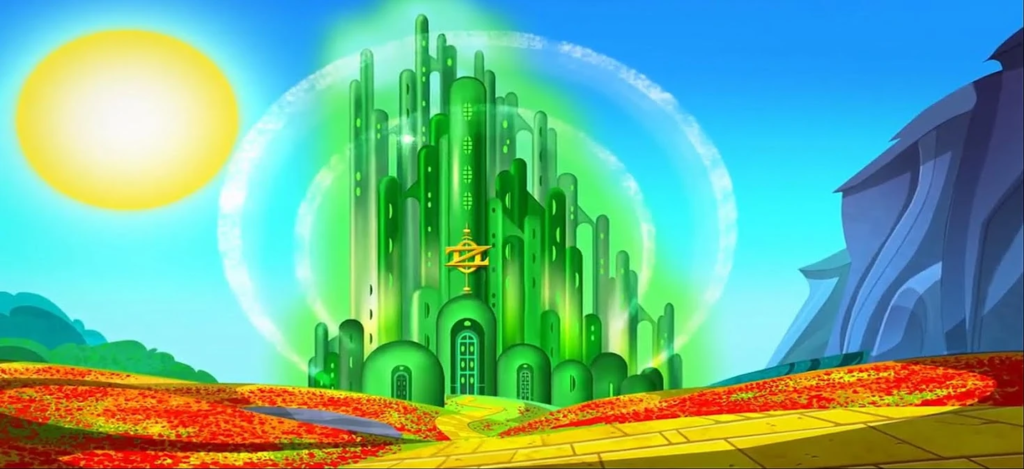
Key characters who journey to the emerald city include:
- Dorothy Gale
- Scarecrow
- Tin Woodman
- Cowardly Lion
The emerald city in this story symbolizes aspiration and discovery, as each character hopes to gain something they believe they lack.
The Symbolism Behind Emerald City
The concept of an emerald city carries deep symbolism that extends beyond the story of Oz.
Some common interpretations include:
Hope and Dreams
In literature, the emerald city represents a destination where dreams might come true. Characters journey there seeking solutions and transformation.
Illusion and Reality
In the story, the dazzling appearance of the city hides a surprising truth about the wizard. This theme explores how appearances can sometimes be deceptive.
Wealth and Prosperity
The color emerald is associated with luxury, prosperity, and rare beauty, which adds to the mystique of the emerald city.
Knowledge and Growth
The journey to the emerald city represents personal growth and self-discovery.
These symbolic meanings have helped the emerald city become an enduring cultural reference.
Why Seattle Is Called the Emerald City
In modern times, the nickname Emerald City is strongly associated with Seattle.
Seattle earned this nickname in 1982 during a city branding campaign. The name reflects the region’s lush evergreen forests and abundant greenery throughout the year.
Located in the Pacific Northwest, Seattle experiences frequent rainfall and mild temperatures, which support the growth of dense forests and vibrant plant life.
The emerald city nickname highlights the city’s natural beauty and environmental identity.
Today, the nickname is widely used in tourism, sports, and local culture.
Emerald City Culture and Lifestyle
The lifestyle of the emerald city—particularly in Seattle—is shaped by creativity, innovation, and environmental awareness.
The city is known for its thriving technology industry and cultural influence.
Major companies based in Seattle include:
- Amazon
- Microsoft
- Starbucks
The emerald city is also famous for its music culture. The grunge music movement emerged here in the 1990s, led by bands like Nirvana.
This vibrant blend of technology, culture, and nature makes Seattle one of the most unique cities in the United States.
Famous Landmarks in the Emerald City
Seattle’s emerald city nickname is reflected in many iconic landmarks.
Space Needle
One of the most famous landmarks in the emerald_city is the Space Needle. Built for the 1962 Seattle World’s Fair, the tower offers breathtaking views of the city and surrounding mountains.
Pike Place Market
Another iconic location is Pike Place Market, one of the oldest continuously operating farmers markets in the United States.
Visitors can enjoy fresh seafood, local produce, and artisan crafts while experiencing the vibrant atmosphere of the emerald city.
Emerald_City in Movies and Entertainment
The idea of the emerald_city has appeared in many films, television shows, and theatrical productions.
The story of Oz has been adapted many times, most famously in the classic film The Wizard of Oz, starring Judy Garland.
The dazzling emerald_city scenes in the film became iconic in cinematic history.
Modern adaptations have continued to explore the magical world of Oz, including the movie Oz the Great and Powerful.
These productions keep the legend of the emerald_city alive for new generations.
Emerald_City in Pop Culture
Beyond books and films, the emerald_city has become a popular phrase used in many cultural contexts.
Examples include:
- Sports teams referencing the emerald_city nickname
- Music lyrics referencing magical cities
- Tourism campaigns using the name
- Fantasy novels inspired by Oz
The phrase often represents an exciting destination filled with opportunity and wonder.
Because of its positive and imaginative associations, the emerald_city continues to inspire artists and storytellers.
Tourism in the Emerald_City
The real-life emerald_city, Seattle, attracts millions of visitors each year.
Popular tourist activities include:
- Visiting the Space Needle
- Exploring waterfront attractions
- Touring museums
- Hiking nearby national parks
- Enjoying local coffee culture
The city is surrounded by breathtaking natural landscapes including mountains, forests, and lakes.
Outdoor enthusiasts often visit nearby areas such as Mount Rainier National Park.
This combination of urban excitement and natural beauty makes the emerald_city a unique travel destination.
Environmental Identity of the Emerald_City
Seattle’s nickname as the emerald_city also reflects its commitment to sustainability and environmental protection.
The city promotes:
- Green architecture
- Renewable energy
- Public transportation
- Urban parks and green spaces
Many residents embrace environmentally friendly lifestyles, making the emerald_city a leader in sustainability initiatives.
This focus on environmental responsibility aligns perfectly with the green imagery of the emerald_city.
Why the Emerald_City Continues to Inspire
The idea of the emerald_city has endured for more than a century because it represents powerful universal themes.
These include:
- The pursuit of dreams
- The journey toward self-discovery
- The beauty of nature
- The excitement of exploration
Whether referring to a magical city in literature or a vibrant modern metropolis like Seattle, the emerald_city captures the imagination of people around the world.
Its blend of fantasy, culture, and natural beauty ensures that the emerald_city will continue to inspire future generations.
Conclusion
The emerald_city is a concept that bridges fantasy and reality. Originating from the classic novel The Wonderful Wizard of Oz, the emerald_city symbolizes hope, ambition, and discovery.
Over time, the nickname has become closely linked with Seattle, reflecting the city’s lush green environment and vibrant culture.
From literature and movies to tourism and environmental sustainability, the emerald_city continues to play a meaningful role in global culture.
Whether imagined as a magical destination in Oz or experienced as a dynamic real-world city, the emerald_city remains a symbol of wonder, beauty, and endless possibilities.
