

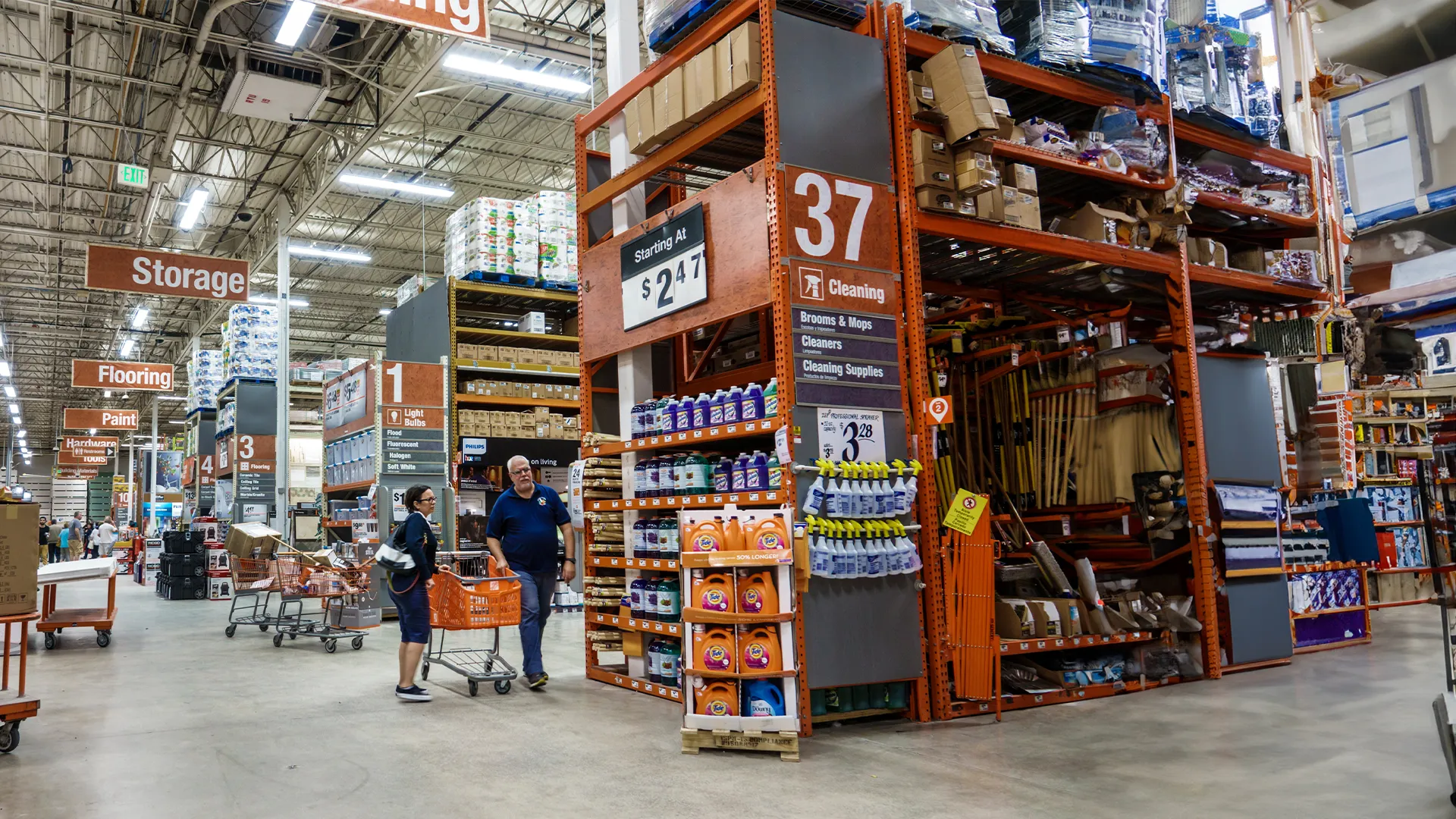
The retail and home improvement industry has recently faced economic challenges, supply chain disruptions, and shifting consumer behavior. News that a Home Depot rival files for bankruptcy chapter 11 has sent shockwaves across investors, customers, and the retail market. Bankruptcy filings from major competitors not only impact shareholders but also influence suppliers, employees, and the overall home improvement sector.
In this comprehensive guide, we’ll break down what it means when a Home Depot rival files , how Chapter 11 works, potential causes behind such filings, and what it means for industry leaders like The Home Depot and its competitors.
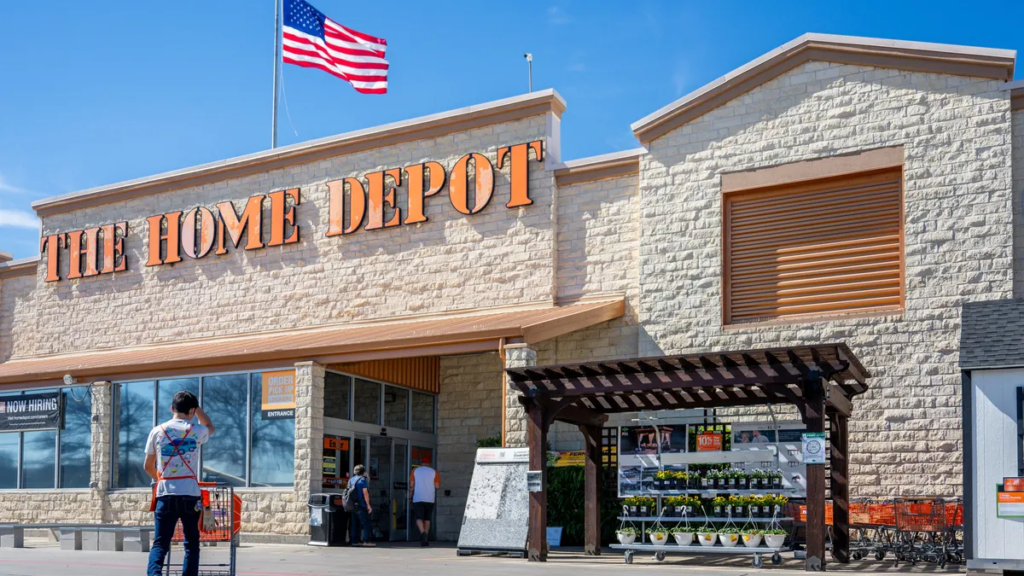
What Does It Mean When a Home Depot Rival Files for Bankruptcy Chapter 11?
When a Home Depot rival files for bankruptcy Chapter 11, it does not necessarily mean the company is shutting down permanently. Chapter 11 bankruptcy allows a company to reorganize its debts while continuing operations.
Chapter 11 is commonly used by large corporations to restructure financial obligations, renegotiate contracts, and stabilize operations. Instead of liquidating assets immediately, the company attempts to regain financial health under court supervision.
For customers and employees, this often means stores may remain open during the restructuring process.
Understanding Chapter 11 Bankruptcy
To fully understand the impact when a Home Depot rival files for bankruptcy Chapter 11, it’s important to know how Chapter 11 works:
1. Debt Restructuring
The company reorganizes its debt and proposes a repayment plan to creditors.
2. Continued Operations
Unlike Chapter 7 bankruptcy, businesses under Chapter 11 usually continue operating.
3. Court Supervision
A bankruptcy court oversees major financial decisions during restructuring.
4. Opportunity for Recovery
If successful, the company exits bankruptcy stronger and more stable.
This process provides struggling retailers with a chance to recover without completely closing down.
Why Would a Home Depot Rival File for Bankruptcy Chapter 11?
Several economic and operational factors may contribute when a Home Depot rival files for bankruptcy Chapter 11:
Economic Slowdown
Reduced consumer spending on home improvement projects can affect sales.
High Operating Costs
Rent, wages, inventory costs, and supply chain expenses may become overwhelming.
Competition Pressure
Strong competitors like The Home Depot and Lowe’s dominate the market, making survival difficult for smaller or mid-sized chains.
Debt Burden
Companies with large loans or financial mismanagement may struggle to keep up with repayments.
Changing Consumer Behavior
Online shopping and DIY trends can shift demand away from traditional brick-and-mortar stores.
Impact on the Home Improvement Industry
When a Home Depot rival files for bankruptcy Chapter 11, the entire industry feels the ripple effects.
Market Share Shifts
Major players like The Home Depot and Lowe’s may gain customers from the struggling competitor.
Supplier Adjustments
Suppliers may renegotiate contracts or shift partnerships.
Consumer Confidence
Customers may hesitate to purchase from a company undergoing bankruptcy.
Investor Reactions
Stock prices in the retail sector may fluctuate due to uncertainty.
How Customers Are Affected
If a Home Depot rival files for bankruptcy Chapter 11, customers often wonder:
- Will stores close?
- Are warranties still valid?
- Can gift cards still be used?
In many Chapter 11 cases, stores remain open, and regular operations continue. However, store closures may happen if restructuring plans include downsizing.
What Happens to Employees?
Employees may face uncertainty when a Home Depot rival files for bankruptcy Chapter 11.
- Some stores may close
- Workforce reductions could occur
- Benefits and contracts might be renegotiated
However, Chapter 11 aims to preserve jobs whenever possible by stabilizing operations rather than shutting down entirely.
Home Depot’s Position in the Market
As one of the largest home improvement retailers in the world, The Home Depot holds a dominant position in the industry. When a competitor struggles financially, it may strengthen Home Depot’s market position by:
- Expanding customer base
- Increasing supplier leverage
- Gaining stronger pricing power
Nevertheless, economic conditions that impact one competitor may affect others as well.
Lessons for Retail Businesses
When news spreads that a Home Depot rival files for bankruptcy Chapter 11, other businesses can learn valuable lessons:
Adapt to Digital Trends
Online shopping and delivery services are critical.
Control Debt Levels
Sustainable financial planning prevents long-term risk.
Monitor Consumer Demand
Understanding market trends ensures competitiveness.
Diversify Revenue Streams
Offering installation services or exclusive products can increase resilience.
Chapter 11 vs Chapter 7 Bankruptcy
Many people confuse these two terms when hearing that a Home Depot rival files for bankruptcy Chapter 11.
- Chapter 11: Reorganization and continued operations
- Chapter 7: Liquidation and permanent closure
Chapter 11 provides hope for recovery, while Chapter 7 signals an end to operations.
Retail Industry Trends in 2026
The retail landscape continues to evolve due to:
- E-commerce growth
- Inflation and rising costs
- Changing housing market conditions
- Consumer spending patterns
When a Home Depot rival files for bankruptcy Chapter 11, it often reflects broader economic trends rather than isolated company failure.
Investor Perspective
Investors analyze several factors when a Home Depot rival files for bankruptcy Chapter 11:
- Debt-to-equity ratio
- Cash flow management
- Competitive positioning
- Market demand forecasts
Some investors even view bankruptcy restructuring as an opportunity for long-term growth.
Could the Company Recover?
History shows that some companies successfully emerge from Chapter 11 stronger than before. If restructuring plans are effective, a Home Depot rival files for bankruptcy Chapter 11 scenario could result in:
- Reduced debt
- Improved operations
- Leaner store networks
- Stronger competitive strategy
However, recovery depends on leadership decisions and market conditions.
What This Means for Consumers
Consumers may benefit from:
- Clearance sales
- Discounted inventory
- Competitive pricing from rivals
When a Home Depot rival files for bankruptcy Chapter 11, price competition often increases.
Frequently Asked Questions
What does Chapter 11 mean?
Chapter 11 allows companies to reorganize debts while continuing operations.
Will stores close permanently?
Not necessarily. Some locations may close, but operations often continue.
Does this affect Home Depot?
It may shift market share and competitive dynamics.
Is bankruptcy always bad?
Not always. Chapter 11 can be a strategic move toward financial recovery.
Final Thoughts
The news that a Home Depot rival files for bankruptcy Chapter 11 highlights the challenges facing the retail and home improvement industry. Economic pressures, competition, and changing consumer habits can push even established brands into restructuring.
For companies like The Home Depot and Lowe’s, such developments may create both opportunities and warnings. The outcome depends on how effectively businesses adapt to market trends, manage debt, and innovate in a rapidly evolving retail landscape.
Understanding Chapter 11 and its implications helps consumers, investors, and business owners navigate uncertainty with greater confidence.
