

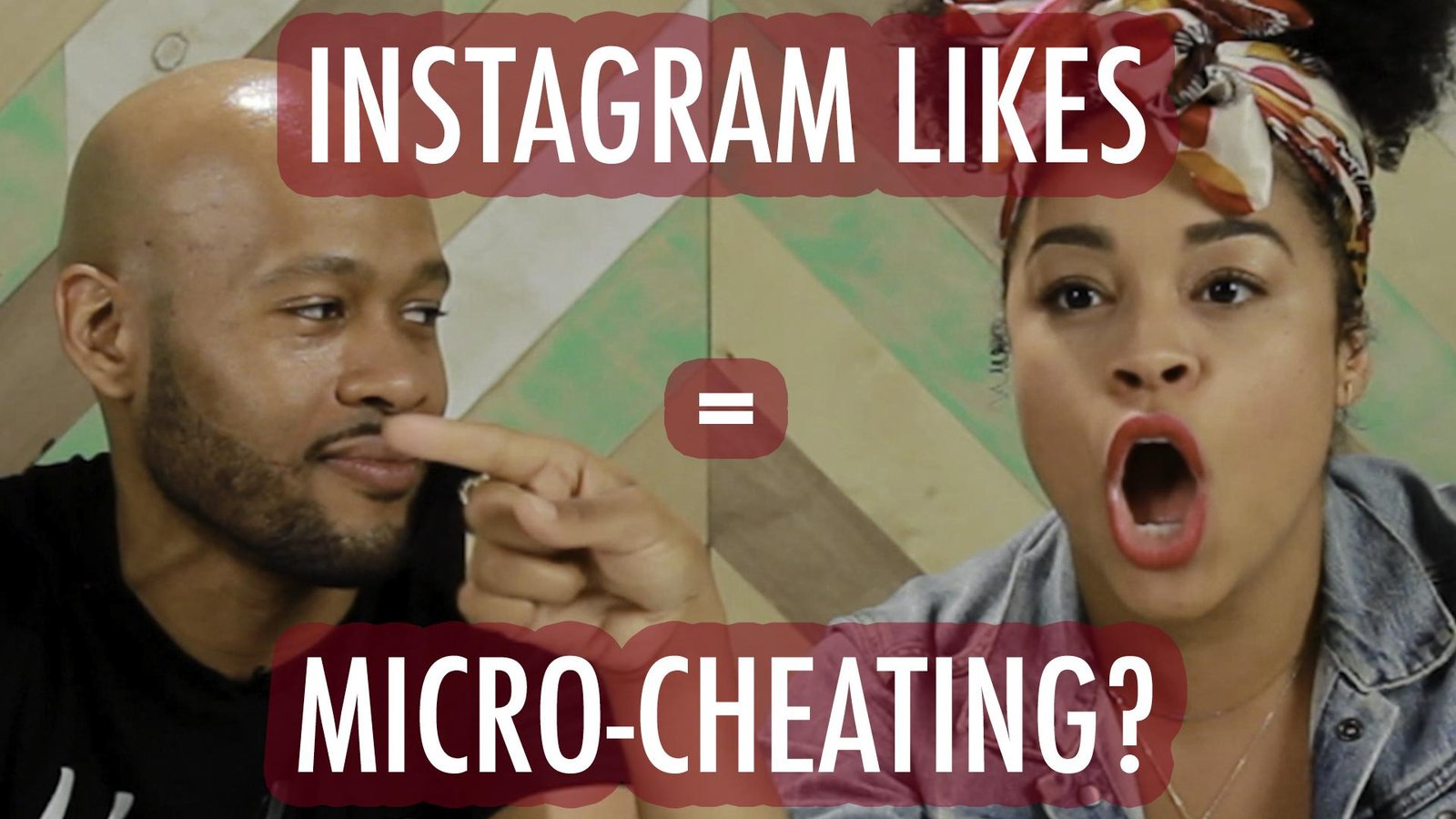
In today’s digital world, relationships face many new challenges. One of the most widely discussed relationship issues in recent years is micro cheating. Unlike traditional cheating, which involves clear physical or emotional betrayal, micro cheating includes subtle behaviors that may seem harmless but can still damage trust between partners.
The concept of micro cheating has gained popularity on social media, relationship blogs, and psychology discussions. Many couples now question whether small actions—such as secretly texting someone, liking suggestive photos, or maintaining hidden online friendships—can be considered a form of cheating.
This comprehensive guide explains everything about micro cheating, including its meaning, signs, causes, effects on relationships, and how couples can address it in a healthy way.
What Is Micro Cheating?
Micro cheating refers to small behaviors or actions that suggest emotional or romantic interest in someone outside a committed relationship. These behaviors may not involve physical intimacy, but they often cross emotional boundaries that partners expect in a relationship.
In simple terms, micro cheating includes secretive or flirtatious interactions with someone other than your partner that could potentially lead to deeper emotional involvement.
These actions might seem minor individually, but repeated behaviors can weaken trust and create emotional distance between partners.

Why Micro Cheating Is Becoming More Common
The rise of digital communication has made micro cheating more common than ever before. Social media platforms, messaging apps, and dating apps make it easier for people to connect with others privately.
Several factors contribute to the increase in micro cheating behaviors:
1. Social Media Interaction
Platforms like Instagram, Facebook, and TikTok encourage constant interaction with others, including strangers.
2. Instant Messaging
Private conversations through messaging apps can quickly become secretive or flirtatious.
3. Emotional Attention
Some people seek validation or attention from others outside their relationship.
4. Lack of Clear Boundaries
Different couples have different definitions of what counts as cheating, which can create confusion.
Common Signs of Micro Cheating
Recognizing the warning signs of micro cheating can help couples address issues early before they become serious problems.
1. Secretive Messaging
One of the most common signs of micro cheating is hiding conversations from a partner.
Examples include:
- Deleting chat messages
- Changing phone passwords
- Messaging someone late at night
2. Excessive Social Media Flirting
Flirting online may appear harmless, but it can indicate micro cheating behavior.
Examples include:
- Frequently commenting on someone’s appearance
- Sending heart or flirtatious emojis
- Liking suggestive photos regularly
3. Keeping a “Backup Option”
Some people maintain contact with someone they are romantically interested in “just in case” their current relationship fails.
This behavior is often associated with micro cheating.
4. Emotional Intimacy with Someone Else
Sharing personal problems or emotional struggles with someone outside the relationship can sometimes lead to emotional attachment.
This is another form of micro cheating.
5. Hiding Online Friendships
If someone intentionally hides friendships or conversations from their partner, it may indicate boundary issues.
Examples of Micro Cheating in Modern Relationships
Understanding real-life examples can make the concept of micro cheating easier to identify.
Here are some typical situations:
- Secretly texting an ex-partner
- Complimenting someone romantically online
- Using dating apps “just for fun”
- Frequently messaging a coworker in a flirtatious way
- Sharing intimate details about your relationship with someone else
While these behaviors may not involve physical cheating, they can still create emotional tension.
Micro Cheating vs Emotional Cheating
Many people confuse micro cheating with emotional cheating, but they are not exactly the same.
Micro Cheating
- Small boundary-crossing behaviors
- Often subtle and gradual
- May not involve deep emotional connection
Emotional Cheating
- Strong emotional attachment to another person
- Sharing deep personal feelings
- Prioritizing someone else over your partner
In many cases, micro cheating can eventually lead to emotional cheating if boundaries are not addressed.
Why People Engage in Micro Cheating
There are several psychological reasons why individuals engage in micro cheating behaviors.
1. Seeking Validation
Some people enjoy receiving compliments or attention from others because it boosts their self-esteem.
2. Boredom in Relationships
When relationships become routine, individuals may look for excitement or novelty elsewhere.
3. Curiosity
Curiosity about alternative romantic possibilities can sometimes lead to micro cheating behaviors.
4. Lack of Relationship Boundaries
When couples do not clearly define what behavior is acceptable, misunderstandings can occur.
5. Social Media Influence
Modern social media culture encourages constant engagement and interaction with others.
The Psychological Impact of Micro Cheating
Even though micro cheating may seem minor, it can have serious emotional consequences for relationships.
1. Loss of Trust
Trust is the foundation of any relationship. Even small acts of secrecy can weaken it.
2. Increased Insecurity
Partners may begin to question their value or attractiveness.
3. Communication Breakdown
Arguments about boundaries and trust can reduce open communication.
4. Emotional Distance
When emotional energy is directed outside the relationship, partners may grow apart.
Is Micro Cheating Always Intentional?
Not everyone who engages in micro cheating does so intentionally.
Some people may not realize their behavior crosses relationship boundaries.
For example:
- Friendly conversations may accidentally become flirtatious.
- Social media habits may create misunderstandings.
- Cultural differences can influence perceptions of flirting.
This is why communication between partners is extremely important.
How Couples Can Prevent Micro Cheating
Preventing micro_cheating requires mutual understanding and respect in a relationship.
1. Establish Clear Boundaries
Couples should openly discuss what behaviors they consider inappropriate.
Examples include:
- Flirting with others
- Messaging ex-partners
- Using dating apps
2. Improve Communication
Open communication helps partners feel secure and understood.
3. Limit Secretive Behavior
Transparency with devices and online interactions can strengthen trust.
4. Prioritize the Relationship
Spending quality time together reduces the likelihood of seeking attention elsewhere.
5. Address Problems Early
Small concerns should be discussed before they grow into larger issues.
How to Respond If Micro_Cheating Happens
If micro_cheating occurs in a relationship, it does not necessarily mean the relationship must end.
There are several ways couples can address the situation constructively.
1. Have an Honest Conversation
Discuss what happened without immediately blaming each other.
2. Understand Intentions
Determine whether the behavior was intentional or accidental.
3. Rebuild Trust
Trust can be rebuilt through honesty and consistent actions.
4. Consider Counseling
Relationship counseling can help couples resolve deeper issues.
The Role of Social Media in Micro_Cheating
Social media platforms play a major role in modern micro_cheating behaviors.
Some common digital behaviors include:
- Following attractive strangers
- Sending private messages
- Reacting to posts with romantic emojis
- Maintaining secret online connections
Because social media interactions are constant and often private, they can blur relationship boundaries.
Can Micro_Cheating Destroy a Relationship?
The impact of micro_cheating depends on how couples handle the situation.
Some relationships recover quickly through communication and trust-building.
However, repeated behaviors may lead to:
- Resentment
- Emotional distance
- Breakups
The key factor is whether both partners are willing to address the issue honestly.
Healthy Relationship Boundaries
Healthy relationships depend on strong boundaries and mutual respect.
To avoid micro_cheating, couples should focus on:
- Transparency
- Emotional loyalty
- Respectful communication
- Commitment to each other
Setting clear expectations helps prevent misunderstandings and strengthens the relationship.
Final Thoughts on Micro_Cheating
The concept of micro_cheating highlights how modern relationships are evolving in the digital age. While these behaviors may seem small, they can still have a significant impact on trust and emotional intimacy.
Recognizing the signs of micro_cheating, discussing boundaries openly, and maintaining honest communication are essential for building healthy relationships.
Ultimately, every relationship is unique, and couples must decide together what behaviors they consider acceptable. By prioritizing respect, transparency, and emotional loyalty, partners can protect their relationship from the negative effects of micro_cheating.
