

Cybersecurity has become one of the most critical issues in the modern digital era. Governments, businesses, and individuals rely heavily on technology, making them vulnerable to cyber threats. One incident that caught significant public attention was the St Paul cyber attack, which raised serious concerns about digital security in municipal systems.
The St Paul cyber attack highlighted how even large and well-established cities can become targets of cybercriminals. With hackers increasingly targeting government infrastructure, the need for strong cybersecurity measures has never been great
we will explore the St Paul cyber attack, how it happened, its impact on city services, the investigation that followed, and the lessons organizations can learn to prevent similar attacks.
Understanding the St Paul Cyber Attack
The St Paul cyber attack refers to a cybersecurity breach that targeted the digital infrastructure of the city of Saint Paul, the capital city of the U.S. state of Minnesota.
Like many modern cities, St Paul relies on complex digital systems to manage essential services such as transportation, emergency response, utilities, and administrative operations. These systems are interconnected through networks that can become vulnerable if not properly protected.
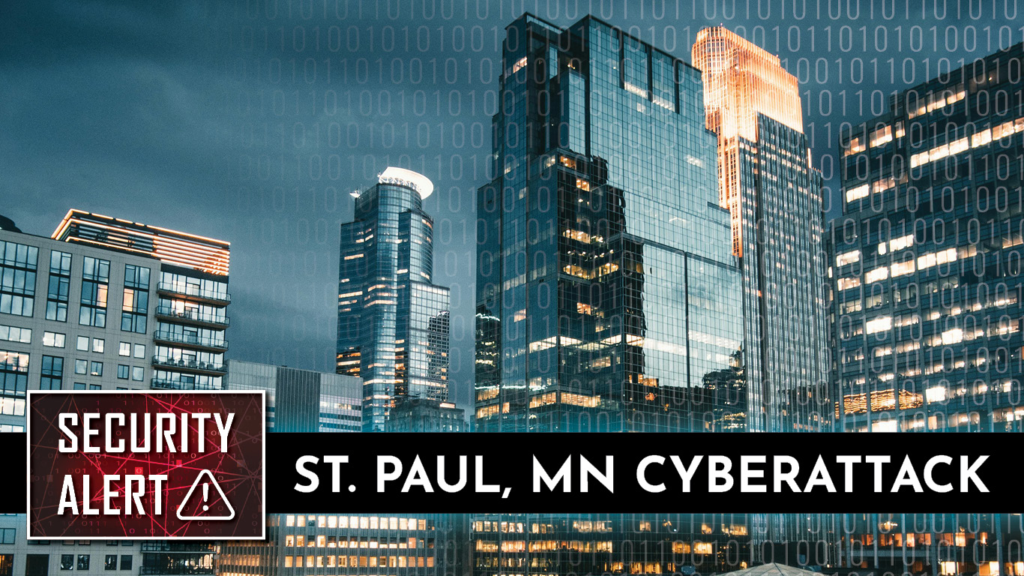
The St Paul cyber attack involved unauthorized access to parts of the city’s network. Cybersecurity teams discovered suspicious activity that indicated hackers may have attempted to exploit vulnerabilities within the system.
Although the exact details of the attack varied depending on reports, the event emphasized how government infrastructure can be targeted by cybercriminals seeking data, financial gain, or disruption.
When the St Paul Cyber Attack Was Discovered
The St Paul cyber attack was discovered after IT professionals detected unusual network activity. Municipal cybersecurity systems flagged potential unauthorized access attempts, prompting immediate investigation.
City officials worked quickly with cybersecurity experts to isolate the affected systems and prevent further damage.
During such incidents, the most important step is containment. By disconnecting compromised systems from the broader network, IT teams can stop attackers from moving deeper into the system.
This rapid response helped minimize the potential impact of the St Paul cyber attack.
How the St Paul Cyber Attack Happened
Cyber attacks usually occur through several common methods. While every case is unique, experts believe the St Paul cyber attack may have involved one or more of the following techniques:
Phishing Attacks
Phishing remains one of the most common ways hackers gain access to secure systems. Attackers send emails that appear legitimate, tricking employees into clicking malicious links or entering login credentials.
Once access is obtained, hackers can move through internal systems and collect sensitive information.
Malware Infiltration
Malware is malicious software designed to damage or control computer systems. If malware enters a network, it can allow hackers to monitor activity, steal data, or disrupt services.
Exploiting Software Vulnerabilities
Outdated software often contains security flaws. Cybercriminals scan networks for these vulnerabilities and exploit them to gain access.
The St Paul cyber attack served as a reminder that regular software updates and security patches are essential.
Impact of the St Paul Cyber Attack on City Services
When government systems are targeted, the consequences can be significant. The St Paul cyber attack had the potential to affect multiple city services.
Some possible impacts included:
- Temporary disruption of municipal services
- Security risks to public data
- Increased operational costs for recovery
- Delays in administrative processes
- Reduced public confidence in digital systems
Even if the damage was limited, responding to a cyber attack requires extensive resources.
Cities must conduct system audits, strengthen defenses, and ensure that sensitive data remains protected.
Investigation Into the St Paul Cyber Attack
Following the St Paul cyber attack, cybersecurity teams launched a detailed investigation.
Government agencies often collaborate with federal cybersecurity authorities to determine the source of attacks. In the United States, investigations can involve organizations such as the Federal Bureau of Investigation and the Cybersecurity and Infrastructure Security Agency.
These agencies specialize in tracking cybercriminal networks and analyzing digital evidence.
The investigation process usually includes:
- Analyzing server logs
- Identifying compromised systems
- Tracing the attack method
- Determining whether data was stolen
- Strengthening security measures
Understanding how the St Paul cyber attack happened helps prevent future incidents.
Why Cities Are Targets for Cyber Attacks
The St Paul cyber attack is part of a broader trend in which cybercriminals target public infrastructure.
There are several reasons why cities become attractive targets:
Large Amounts of Data
Municipal governments store sensitive information about residents, including identification records, tax information, and payment systems.
Complex Digital Infrastructure
City networks are large and often include thousands of devices and systems. Managing security across such complex environments can be challenging.
Limited Cybersecurity Budgets
Some local governments operate with limited resources, making it difficult to invest heavily in cybersecurity technologies.
These factors increase the risk of incidents like the St Paul cyber attack.
The Role of Ransomware in Cyber Attacks
One of the biggest threats to government systems is ransomware.
Ransomware attacks encrypt important files and demand payment for their release. Cities around the world have experienced these types of incidents.
Although it is not always confirmed in every case, many cyber incidents targeting municipalities involve ransomware groups.
The St Paul cyber attack raised awareness about the importance of protecting systems from this growing threat.
Cybersecurity Measures After the St Paul Cyber Attack
Following the St Paul cyber attack, cybersecurity experts emphasized the importance of stronger digital protection.
Cities can implement several key measures to improve security.
Network Monitoring
Continuous monitoring helps detect suspicious activity before attackers can cause serious damage.
Employee Cybersecurity Training
Human error is one of the leading causes of cyber attacks. Training employees to recognize phishing attempts can significantly reduce risks.
Multi-Factor Authentication
Multi-factor authentication adds an extra layer of security beyond passwords.
Regular Software Updates
Keeping software updated ensures that known vulnerabilities are patched.
Data Backups
Frequent backups allow organizations to recover quickly if systems are compromised.
Lessons Learned from the St Paul Cyber Attack
The St Paul cyber attack provided valuable lessons for governments and organizations worldwide.
Cybersecurity Must Be a Priority
Technology infrastructure requires continuous protection and monitoring.
Rapid Response Is Critical
Quick action can prevent attackers from causing widespread damage.
Collaboration Is Essential
Cybersecurity threats often cross borders. Cooperation between government agencies and cybersecurity experts is crucial.
Public Awareness Matters
Educating employees and citizens about cyber threats strengthens overall security.
The Growing Threat of Cyber Attacks Worldwide
Cyber attacks are increasing globally as criminals become more sophisticated.
According to cybersecurity experts, governments, healthcare systems, financial institutions, and educational organizations are among the most common targets.
Incidents like the St Paul cyber attack highlight the importance of global cooperation in combating cybercrime.
International organizations and technology companies are continuously developing tools and strategies to improve digital security.
How Individuals Can Protect Themselves from Cyber Threats
Although the St Paul cyber attack targeted government systems, individuals can also become victims of cybercrime.
Here are some important steps everyone should follow:
- Use strong passwords
- Enable two-factor authentication
- Avoid suspicious emails and links
- Keep devices updated
- Install trusted antivirus software
Personal cybersecurity awareness plays an important role in the overall fight against cyber threats.
Future of Cybersecurity After the St Paul Cyber Attack
The St Paul cyber attack is part of a growing trend that has pushed governments to strengthen cybersecurity policies.
Cities are increasingly investing in:
- Advanced threat detection systems
- Artificial intelligence–based security tools
- Cybersecurity training programs
- Emergency response teams for cyber incidents
As technology continues to evolve, cybersecurity strategies must also adapt.
The lessons learned from the St Paul cyber attack will help organizations build stronger defenses against future threats.
Conclusion
The St Paul cyber attack serves as a powerful reminder of the vulnerabilities that exist in modern digital infrastructure. As cities rely more on technology to manage essential services, protecting these systems becomes a top priority.
Although cybersecurity experts work constantly to defend against attacks, cybercriminals continue to develop new strategies. The key to staying protected lies in preparation, rapid response, and continuous improvement.
By learning from incidents like the St Paul cyber attack, governments and organizations can strengthen their security systems and reduce the risk of future breaches.
In an increasingly connected world, cybersecurity is no longer optional—it is essential for protecting public services, personal data, and the digital future of society.
