

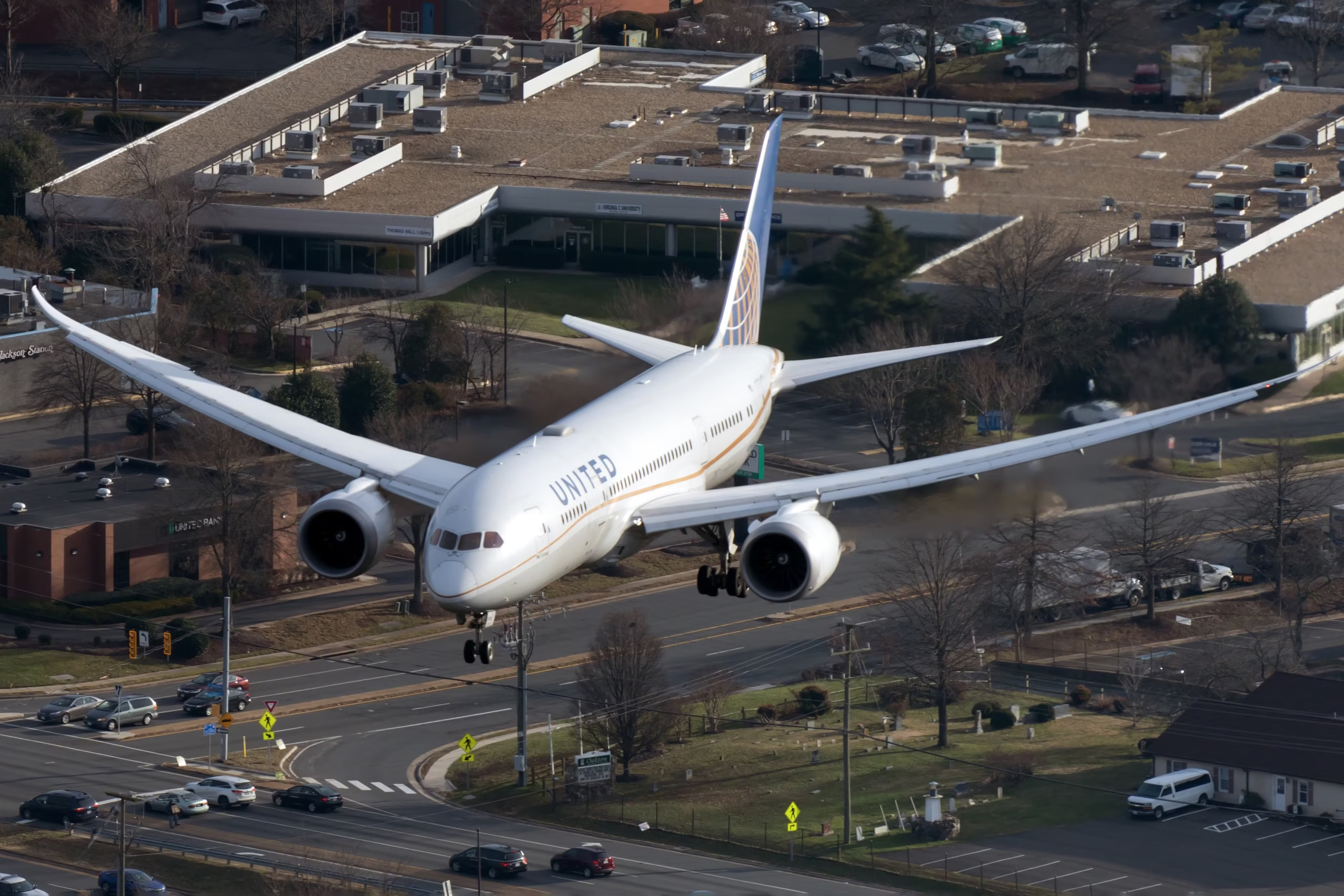
Air travel is widely considered one of the safest forms of transportation. However, even with advanced technology and strict safety regulations, unexpected technical issues can sometimes occur during flights. One recent aviation incident that caught global attention was the United Airlines Flight UA82 emergency.
Passengers, aviation experts, and media outlets closely followed the situation after reports surfaced that the flight had declared an emergency shortly after takeoff. The incident raised questions about aircraft safety systems, airline procedures, and how aviation crews handle unexpected technical failures.
In this article, we will explore the United Airlines Flight UA82 emergency, what caused the incident, how the crew responded, and what it means for aviation safety.
Overview of United Airlines Flight UA82 Emergency
The United Airlines Flight UA82 emergency occurred on July 7, 2025, when a long-haul international flight experienced a technical malfunction shortly after departure. The aircraft had taken off from Newark Liberty International Airport and was heading toward Indira Gandhi International Airport.
The aircraft operating the route was a Boeing 787-9 Dreamliner, one of the most advanced passenger planes in the world. Despite its modern design and sophisticated systems, the flight crew detected a critical issue involving the aircraft’s electronics cooling system during the early stage of the journey.
Following standard aviation procedures, the pilots declared an emergency and safely returned the aircraft to Newark airport. Fortunately, all passengers and crew members landed safely without injuries.
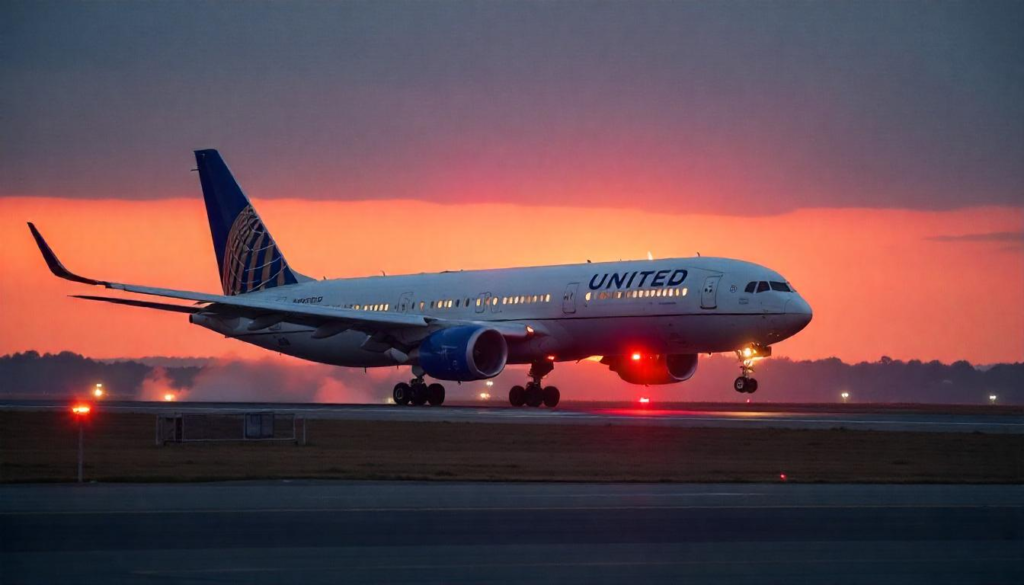
Timeline of the United Airlines Flight UA82 Emergency
Understanding the timeline helps explain how quickly aviation crews respond to technical problems.
Departure from Newark
The aircraft departed from Newark Liberty International Airport around 9:30 PM local time. It was scheduled to fly across the Atlantic Ocean and reach Delhi the next day.
The route between the United States and India is one of the longest commercial flight routes, often lasting more than 14 hours.
Technical Problem Detected
Approximately 45 minutes after takeoff, while the aircraft was flying at about 33,000 feet, the cockpit crew detected a malfunction in the plane’s electronics cooling system.
This system is responsible for cooling sensitive avionics equipment such as navigation computers, communication devices, and flight control systems.
Emergency Declaration
Once the malfunction was confirmed, the crew followed aviation safety protocols. They declared an emergency and notified air traffic control using the international distress code commonly known as “Squawk 7700.”
This signal alerts air traffic controllers that the aircraft requires priority handling due to a serious situation.
Safe Return to Newark
After coordination with air traffic control, the pilots turned the aircraft back toward Newark.
The aircraft landed safely around 11:15 PM, roughly two hours after departure. All passengers disembarked normally at Terminal C without any injuries or panic.
What Caused the United Airlines Flight UA82 Emergency?
The primary cause of the United Airlines Flight UA82 emergency was a malfunction in the aircraft’s electronics cooling system.
This system is critical for keeping the aircraft’s electronic equipment at safe temperatures.
Role of the Electronics Cooling System
Modern aircraft rely heavily on advanced computers and electronic systems. These systems control:
- Navigation
- Communication with air traffic control
- Autopilot functions
- Flight monitoring
- Weather radar
Because these systems generate heat, the aircraft includes specialized cooling systems that prevent overheating.
If the cooling system fails, avionics equipment could overheat and stop functioning, which may compromise the aircraft’s ability to operate safely.
Why the Crew Declared an Emergency
Even though modern aircraft have redundant backup systems, aviation rules require pilots to treat such failures seriously—especially on long transoceanic flights.
The UA82 flight was about to begin the longest part of its journey across the Atlantic Ocean, where diversion airports are limited. Continuing the flight with a potential electronics issue could have increased risk.
Therefore, the safest decision was to return to the departure airport.
Aircraft Involved in the UA82 Emergency
The aircraft involved in the United Airlines Flight UA82 emergency was a Boeing 787-9 Dreamliner.
This aircraft is known for its advanced technology and fuel efficiency.
Key Features of the Boeing 787-9
Some notable features include:
- Composite materials for lighter weight
- Advanced avionics systems
- Improved fuel efficiency
- Enhanced passenger comfort
- Long-range capability for intercontinental flights
Despite its reputation as a highly reliable aircraft, like any complex machine, technical issues can occasionally occur.
However, aviation experts often highlight that these systems are designed with multiple layers of redundancy to ensure safety.
Passenger Experience During the UA82 Emergency
Passengers onboard the flight reportedly experienced minimal disruption during the incident.
The crew maintained calm communication and kept travelers informed about the situation. Since the aircraft remained stable and the pilots handled the situation professionally, most passengers did not experience panic.
Once the plane landed safely at Newark, passengers were assisted by airline staff.
Assistance Provided by United Airlines
The airline offered several services to affected travelers, including:
- Meal vouchers
- Hotel accommodations
- Rebooking on alternative flights
- Customer service assistance
These measures helped ensure passengers could continue their journeys with minimal inconvenience.
Aviation Safety Protocols in Emergency Situations
The United Airlines Flight UA82 emergency demonstrates how aviation safety protocols work effectively.
Airlines and aviation authorities worldwide follow strict safety procedures designed to minimize risk.
Immediate Pilot Response
When a technical issue is detected, pilots follow a checklist-based approach that includes:
- Diagnosing the issue
- Informing air traffic control
- Declaring an emergency if necessary
- Choosing the safest landing option
Coordination with Air Traffic Control
Air traffic controllers prioritize emergency aircraft by:
- Clearing other traffic
- Providing direct routing
- Coordinating with airport emergency teams
This ensures the aircraft can land safely without delays.
Investigation After the United Airlines Flight UA82 Emergency
Following the safe landing, the aircraft was taken out of service for inspection. Maintenance teams and aviation authorities began investigating the cause of the malfunction.
Investigations typically include:
- Checking the faulty system
- Reviewing flight data recorder information
- Inspecting aircraft components
- Analyzing maintenance history
The purpose of these investigations is to determine the exact cause and prevent similar incidents in the future.
How Common Are Aviation Emergencies?
While news about flight emergencies can sound alarming, aviation experts emphasize that such incidents are extremely rare.
Commercial aviation maintains one of the highest safety records in transportation.
Why Aviation Is Still Safe
Several factors contribute to this high level of safety:
- Advanced aircraft engineering
- Strict maintenance requirements
- Pilot training programs
- Continuous monitoring systems
- International safety regulations
Even when emergencies occur, pilots and aircraft systems are designed to manage them safely.
Lessons Learned from the UA82 Incident
The United Airlines Flight UA82 emergency offers several important lessons about aviation safety.
Importance of Early Detection
Modern aircraft systems constantly monitor mechanical and electronic components. Early warnings allow pilots to detect issues before they become serious problems.
Effective Crew Training
Pilots receive extensive training to handle emergencies. Simulator training includes scenarios such as system failures, engine problems, and navigation issues.
Safety Over Schedule
Airlines prioritize safety above everything else. Returning to the airport may cause delays, but it ensures passengers remain safe.
Impact on United Airlines Operations
The incident caused temporary disruptions for passengers scheduled to travel on that aircraft.
However, airlines typically have contingency plans in place. Replacement aircraft and alternative flight arrangements are used to minimize operational disruptions.
United Airlines also reiterated its commitment to passenger safety and thanked travelers for their patience during the incident.
Media and Public Reaction
The United Airlines Flight UA82 emergency attracted attention from global news outlets and aviation analysts.
Many experts praised the crew’s quick decision-making and professional handling of the situation.
Passengers also shared experiences on social media, highlighting how calmly the crew managed the emergency.
Overall, the incident was widely viewed as an example of aviation safety systems working effectively.
Future Improvements in Aviation Technology
Incidents like the United Airlines Flight UA82 emergency also encourage improvements in aircraft technology.
Manufacturers and airlines constantly analyze such situations to enhance safety systems.
Future developments may include:
- Advanced predictive maintenance
- Improved cooling system monitoring
- AI-based fault detection
- Enhanced pilot alert systems
These innovations aim to reduce the likelihood of technical failures in future flights.
Conclusion
The United Airlines Flight UA82 emergency serves as an important reminder of how complex modern aviation systems are and how effectively they are managed when problems arise.
Despite the technical malfunction involving the aircraft’s electronics cooling system, the situation was handled professionally by the flight crew. Their quick decision to return to Newark ensured that all passengers and crew remained safe.
This incident also highlights the strength of aviation safety protocols, aircraft design redundancy, and pilot training. While emergencies can occasionally occur, the aviation industry’s commitment to safety ensures that such situations are managed with the highest level of professionalism.
For travelers, the key takeaway is reassuring: even when technical issues arise, multiple layers of safety systems exist to protect passengers and ensure safe landings.
