
Introduction: What Is Freelancing?
In today’s digital world, many people are looking for flexible ways to earn money online. One of the most popular ways is freelancing. If you are wondering what is freelancing, you are not alone. Millions of people across the world are searching for this career option because it offers freedom, flexibility, and the opportunity to work from anywhere.
Freelancing means working independently for different clients instead of being permanently employed by one company. A freelancer provides services such as writing, graphic design, programming, digital marketing, video editing, and many other skills to clients who need them.
The freelancing industry has grown rapidly due to the internet and remote work culture. Platforms like Upwork, Fiverr, and Freelancer.com have made it easier for freelancers to connect with clients worldwide.
In this guide, we will explain what is freelancing, how it works, its advantages and disadvantages, and how beginners can start a freelancing career successfully.
What Is Freelancing and How Does It Work?
To clearly understand what is freelancing, you need to know how this work model operates.
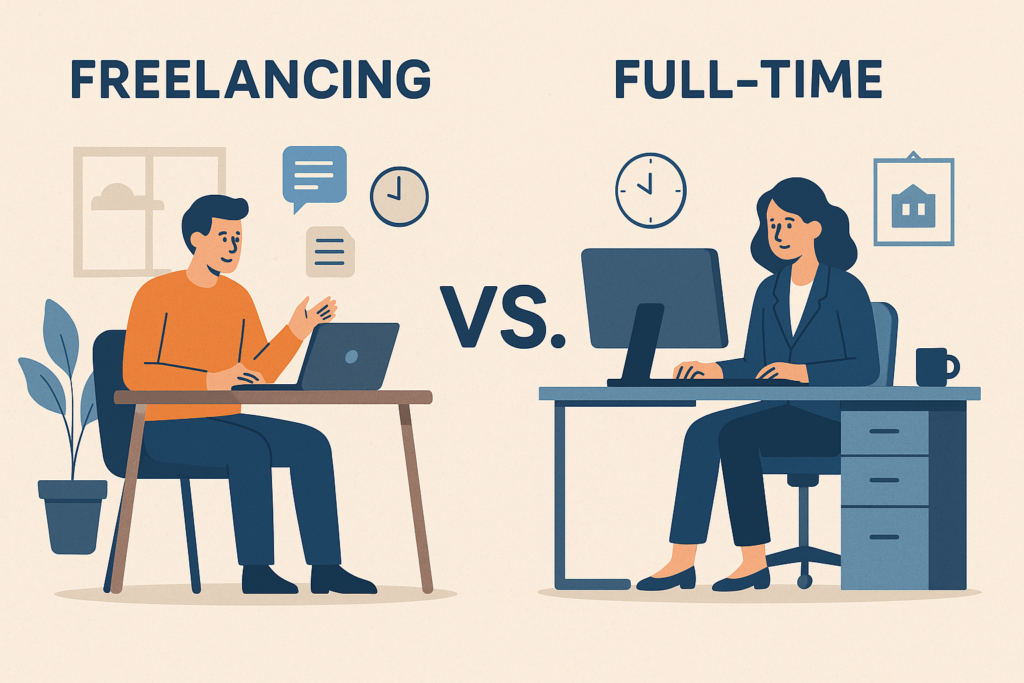
Freelancing is a type of self-employment where individuals offer their services to clients on a project or contract basis. Instead of working a fixed schedule for one employer, freelancers choose their projects, clients, and working hours.
For example, a freelance writer may work with several companies at the same time. One client may need blog articles, another may require website content, while another may hire the writer for social media posts.
Key Features of Freelancing
Freelancing includes several important characteristics:
- Self-employment – freelancers work for themselves
- Project-based work – jobs are usually temporary or contract-based
- Remote opportunities – many freelancers work online
- Flexible schedule – freelancers decide their working hours
- Multiple clients – freelancers can work with many companies simultaneously
Because of these benefits, freelancing has become one of the fastest-growing career options in the digital economy.
What Is Freelancing in the Digital Economy?
Understanding what is freelancing also requires looking at how it fits into the modern digital economy.
Technology and the internet have transformed how businesses operate. Companies no longer need to hire full-time employees for every task. Instead, they can hire freelancers for specific projects.
For instance:
- A business might hire a freelance designer for a logo.
- A startup might hire a freelance developer to build a website.
- A company may hire a freelance marketer to run advertising campaigns.
This system benefits both clients and freelancers. Companies save money while freelancers gain more opportunities.
The rise of remote work after the COVID-19 pandemic also accelerated freelancing growth around the world.
What Is Freelancing: Common Types of Freelancing Jobs
If you want to understand what is freelancing, it’s helpful to explore the different types of freelance jobs available today.
Freelancing opportunities exist in almost every industry.
1. Content Writing Freelancing
Content writing is one of the most popular freelance careers. Freelance writers create:
- Blog articles
- Website content
- Product descriptions
- Email newsletters
- Social media captions
Many businesses rely on writers to improve their online presence
2. Graphic Design Freelancing
Graphic designers create visual content such as:
- Logos
- Social media graphics
- Website layouts
- Business cards
- Marketing materials
Freelance designers often use software from Adobe, such as Adobe Photoshop and Adobe Illustrator.
3. Web Development Freelancing
Web development is another highly profitable freelancing field. Developers build websites and web applications using programming languages like:
- HTML
- CSS
- JavaScript
- PHP
- Python
Freelance developers are in high demand because businesses need modern websites to compete online.
4. Digital Marketing Freelancing
Digital marketing freelancers help businesses grow online through:
- Search Engine Optimization (SEO)
- Social media marketing
- Email marketing
- Paid advertising
Many freelancers specialize in platforms such as Facebook, Instagram, and YouTube.
5. Video Editing Freelancing
Video editing has become a fast-growing freelance skill because of the popularity of online video content.
Freelancers edit videos for:
- YouTube channels
- Businesses
- Online courses
- Advertisements
Popular editing tools include Adobe Premiere Pro and Final Cut Pro.
What Is Freelancing: Benefits of Freelancing
Many people choose freelancing because of its advantages. Let’s look at some key benefits.
1. Flexible Working Hours
One major reason people search for what is freelancing is the flexibility it offers. Freelancers can choose when and where they work.
You can work:
- From home
- From a café
- While traveling
This flexibility improves work-life balance.
2. Unlimited Income Potential
Unlike traditional jobs with fixed salaries, freelancing allows you to increase your income based on your skills and experience.
Experienced freelancers often charge higher rates and work with international clients.
3. Work From Anywhere
Freelancers only need a laptop and internet connection. This makes freelancing ideal for remote work and digital nomads.
4. Choose Your Clients
Freelancers have the freedom to choose the projects they want to work on. If a project doesn’t match your interests, you can decline it.
What Is Freelancing: Disadvantages of Freelancing
Although freelancing offers many benefits, it also has some challenges.
1. Income Instability
Freelancers do not always have a steady income. Some months may have many projects, while others may have fewer opportunities.
2. No Employee Benefits
Unlike traditional jobs, freelancers usually do not receive benefits like:
- Health insurance
- Paid vacations
- Retirement plans
Freelancers must manage these themselves.
3. Self-Discipline Required
Freelancing requires strong time management skills. Without discipline, it can be difficult to meet deadlines.
What Is Freelancing: Popular Freelancing Platforms
Beginners often start freelancing on online platforms that connect freelancers with clients.
Some of the most popular freelancing platforms include:
1. Upwork
One of the largest freelancing platforms where professionals find long-term projects and clients.
2. Fiverr
A popular marketplace where freelancers offer services called “gigs.”
3. Freelancer.com
A global freelancing platform with millions of projects in different categories.
4. Toptal
A premium freelancing platform that connects top professionals with large companies.
What Is Freelancing: Skills Required to Become a Freelancer
To succeed in freelancing, you need more than technical skills.
Important skills include:
Communication Skills
Freelancers must communicate clearly with clients to understand project requirements.
Time Management
Managing multiple projects requires excellent planning and organization.
Self-Marketing
Freelancers must promote their services through portfolios, social media, and freelancing platforms.
Problem-Solving Skills
Clients expect freelancers to provide solutions, not just services.
What Is Freelancing: How Beginners Can Start Freelancing
If you are new and want to understand what is freelancing practically, follow these steps.
Step 1: Choose a Skill
First, decide which skill you want to offer. Examples include:
- Writing
- Graphic design
- Programming
- SEO
- Video editing
Focus on a skill that matches your interests.
Step 2: Learn the Skill
Use online resources to improve your skills. Many platforms provide free learning opportunities.
Popular learning platforms include:
- Coursera
- Udemy
- LinkedIn Learning
Step 3: Build a Portfolio
A portfolio showcases your work to potential clients. Even beginners can create sample projects to demonstrate their skills.
Step 4: Join Freelancing Platforms
Create profiles on freelancing websites and start applying for projects.
Make sure your profile includes:
- A professional photo
- Clear description of your services
- Examples of your work
Step 5: Deliver High-Quality Work
Client satisfaction is the key to success in freelancing. Positive reviews help freelancers attract more clients.
What Is Freelancing: Tips for Success in Freelancing
If you want to succeed after learning what is freelancing, follow these important tips.
1. Start with Small Projects
Small projects help beginners gain experience and build their reputation.
2. Improve Your Skills Regularly
The freelancing market is competitive. Continuous learning helps freelancers stay relevant.
3. Build Long-Term Client Relationships
Long-term clients provide consistent work and income.
4. Manage Your Finances
Freelancers should track their income and expenses carefully.
The Future of Freelancing
Freelancing is expected to grow significantly in the coming years. Many companies prefer hiring freelancers because it reduces operational costs and increases flexibility.
With advances in technology and global connectivity, freelancing will continue to create new opportunities for professionals worldwide.
Remote work, digital platforms, and online collaboration tools are making freelancing easier than ever before.
Conclusion: What Is Freelancing?
To summarize, what is freelancing? Freelancing is a flexible form of self-employment where individuals offer services to multiple clients instead of working for a single employer.
It allows professionals to work independently, choose their projects, and earn income based on their skills.
Although freelancing has challenges such as income instability and self-management, it offers incredible opportunities for those willing to learn, adapt, and work consistently.
For beginners, freelancing can be a powerful way to build a career in the digital world while enjoying the freedom of remote work.
