

If you are searching for mad magazine, you’re likely interested in one of the most influential satirical publications in American pop culture history. Since its inception, Mad Magazine has entertained, shocked, and inspired readers with its humor, parodies, and biting social commentary.
We’ll explore everything about mad magazine, including its history, iconic features, famous contributors, cultural impact, and why it remains relevant today.
What Is Mad Magazine?
Mad Magazine is a satirical magazine founded in 1952 by Harvey Kurtzman and William Gaines. It is best known for its humorous take on politics, entertainment, and everyday life. The magazine combines cartoons, parodies, and satirical articles, creating a unique blend of humor that appeals to both teenagers and adults.
Key elements of mad magazine include:
- Parody articles of popular media
- Humorous comic strips
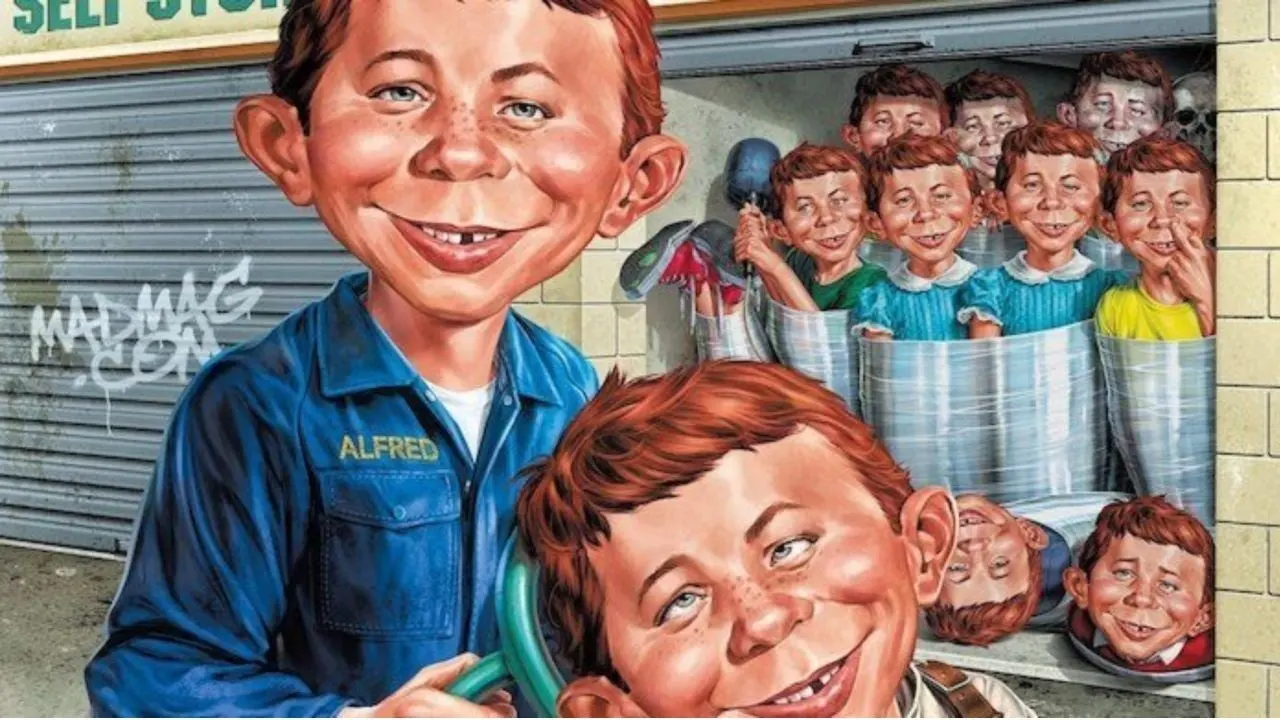
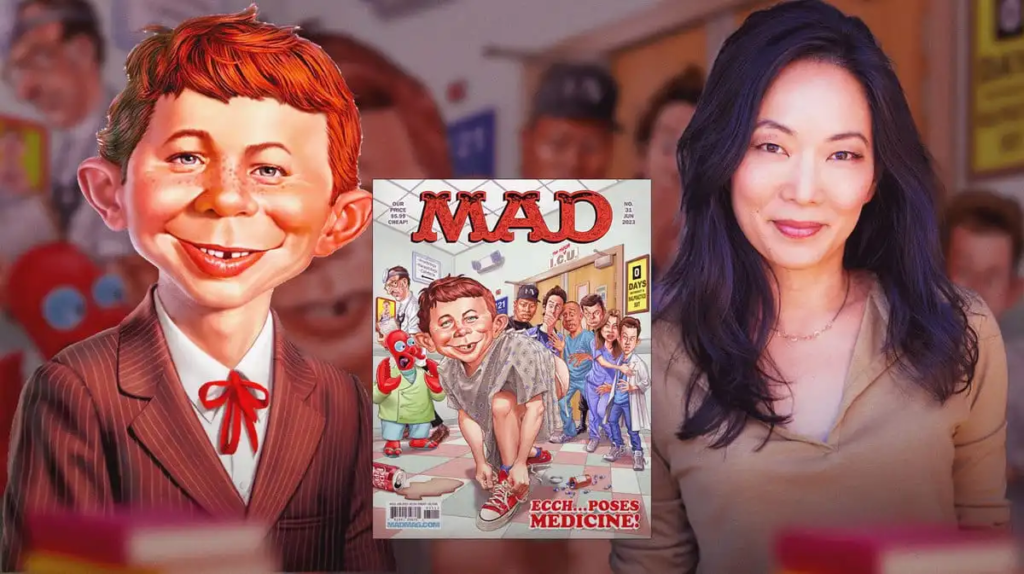
- Iconic mascot Alfred E. Neuman
- Satirical takes on politics, culture, and celebrity
History of Mad Magazine
The story of mad magazine begins in 1952, when cartoonist Harvey Kurtzman and publisher William Gaines transformed the comic book format into a humorous, satirical magazine. Initially, it focused on war comics, but Kurtzman’s vision for satire shifted its direction.
In 1955, Mad Magazine became a magazine instead of a comic book, allowing more creative freedom and protection from comic book censorship. Over the decades, it has remained a cultural touchstone for American satire.
Iconic Features of Mad Magazine
Alfred E. Neuman
The face of mad magazine, Alfred E. Neuman, is instantly recognizable. His gap-toothed grin and the tagline “What, me worry?” became symbols of irreverence and humor.
Spy vs. Spy
One of the magazine’s most famous comic strips, Spy vs. Spy, features two bumbling spies constantly trying to outwit each other. This strip has been a favorite since its debut in 1961.
Parodies and Spoofs
Mad Magazine is famous for lampooning movies, TV shows, celebrities, and advertisements. Parodies like “Star Blecch” (Star Trek) and “The Sound of Mucus” (The Sound of Music) showcase its clever, satirical style.
Fold-ins
Created by Al Jaffee, fold-ins are one-page features that transform when the page is folded, revealing hidden messages or jokes. This feature remains one of the magazine’s most creative trademarks.
Famous Contributors
Throughout its history, mad magazine has featured contributions from some of the most influential writers and artists in satire:
- Harvey Kurtzman – Founder and editor
- Al Jaffee – Creator of fold-ins
- Don Martin – Cartoonist with unique style
- Sergio Aragonés – Marginal cartoonist
- Paul Krassner – Writer and satirist
Their work shaped the magazine into a cultural icon that influenced generations.
Mad Magazine’s Cultural Impact
Mad Magazine has left an indelible mark on popular culture:
- Inspired comedians like Jon Stewart, Stephen Colbert, and “Saturday Night Live” writers
- Influenced political satire and parody writing
- Shaped American humor in television, film, and literature
- Created a unique voice for counterculture and social commentary
The magazine’s irreverent style challenged norms and paved the way for modern satire.
Popular Sections in Mad_Magazine
- Letters from Readers – Often humorous or satirical letters
- Spy vs. Spy – Iconic comic strip
- Movie & TV Parodies – Spoofing pop culture
- Fold-ins – Al Jaffee’s creative fold-ins
- Cover Stories – Parody covers that grab attention
Each section reinforces mad magazine’s brand of humor and satire.
Mad_Magazine in the Digital Era
While print media has declined, mad magazine has embraced the digital age:
- Digital subscriptions and online content
- Social media presence for memes and satire
- Re-releases of classic issues in digital format
- Limited-edition reprints and special anniversary collections
This evolution ensures mad magazine remains relevant for new generations.
Why Mad_Magazine Is Still Relevant
Even decades after its creation, mad_magazine continues to resonate due to:
- Timeless satire and humor
- Cultural parodies that remain relatable
- Nostalgia for classic readers
- Influence on modern comedy writers and shows
The magazine’s adaptability has allowed it to survive changing trends while maintaining its unique voice.
Collecting Mad_Magazine
Many enthusiasts collect mad_magazine issues as collectibles due to their historical and cultural value:
- First edition issues from the 1950s are highly prized
- Special anniversary editions and reprints
- Rare issues with iconic cover art
Collectors value mad magazine not only for its humor but also for its contribution to pop culture history.
Common Misconceptions About Mad_Magazine
- It’s only for kids – False. While the magazine appeals to teenagers, much of its humor is adult-oriented satire.
- It’s outdated – False. The magazine has adapted digitally and continues to publish relevant content.
- It’s just jokes – False. Many pieces critique politics, society, and cultural trends thoughtfully.
Understanding these points reinforces why mad magazine remains influential.
Fun Facts About Mad_Magazine
- Alfred E. Neuman’s face appeared on many covers, becoming the symbol of “What, me worry?”
- The magazine influenced the creation of other satirical shows and publications
- Some of its contributors went on to write for television and movies, carrying the magazine’s humor into new media
Conclusion
Mad_Magazine is more than just a magazine; it’s a cultural institution that has shaped satire, comedy, and pop culture for over six decades. From Alfred E. Neuman’s iconic grin to hilarious parodies and fold-ins, the magazine remains a beacon of humor, creativity, and social commentary.
Whether you’re a longtime fan or discovering it for the first time, understanding mad magazine allows you to appreciate its rich history, cultural impact, and timeless humor. It continues to influence writers, comedians, and readers who value wit, satire, and playful irreverence.
