

Introduction
The global demand for sustainable energy solutions has skyrocketed in recent years, driven by environmental concerns, rising energy costs, and technological advancements. Renewable energy technology plays a crucial role in addressing these challenges by offering clean, efficient, and cost-effective alternatives to fossil fuels. From solar panels and wind turbines to hydroelectric systems and bioenergy, renewable energy solutions are transforming how we generate, distribute, and consume power.
With governments, industries, and individuals investing heavily in green energy, understanding the current state and potential of renewable energy technology is essential for a sustainable future. In this article, we will explore its types, benefits, innovations, challenges, and the impact it has on the global energy landscape.
What is Renewable Energy Technology?
Renewable energy technology refers to the tools, systems, and processes used to harness energy from natural, replenishable sources. Unlike fossil fuels, which deplete over time and contribute to greenhouse gas emissions, renewable sources are sustainable and environmentally friendly. Common forms include:
- Solar energy
- Wind energy
- Hydropower
- Biomass energy
- Geothermal energy
Each technology involves advanced machinery, software, and engineering techniques to convert natural energy sources into usable electricity, heat, or fuel.
Types of Renewable Energy Technology
1. Solar Energy Technology
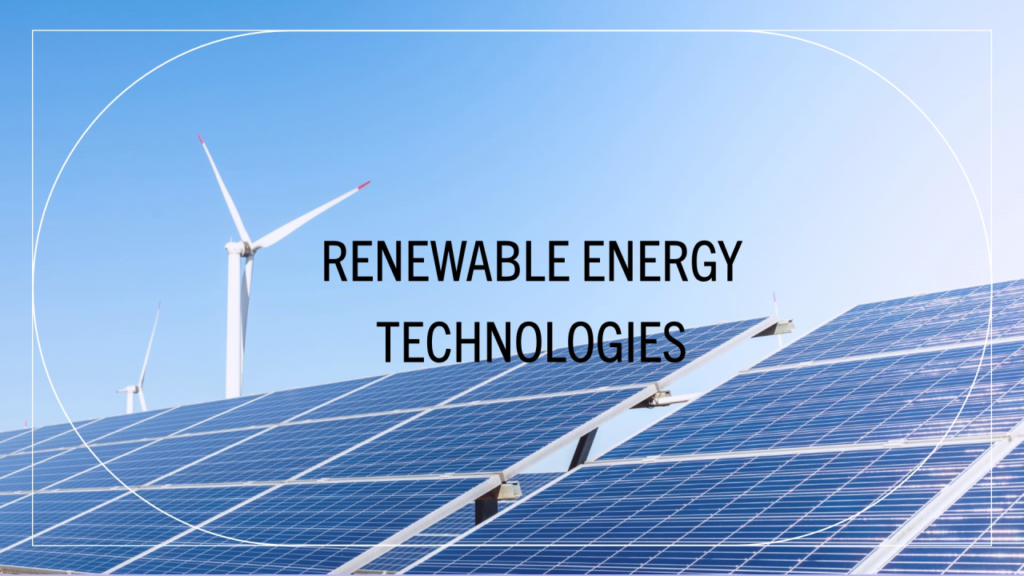
Solar energy technology uses sunlight to generate electricity through photovoltaic (PV) panels or concentrated solar power systems. Recent innovations include:
- Bifacial solar panels that absorb sunlight from both sides
- Flexible solar sheets for rooftops and wearable applications
- Solar tracking systems that maximize energy capture
Solar energy is versatile, scalable, and increasingly affordable, making it one of the most popular forms of renewable energy technology worldwide.
2. Wind Energy Technology
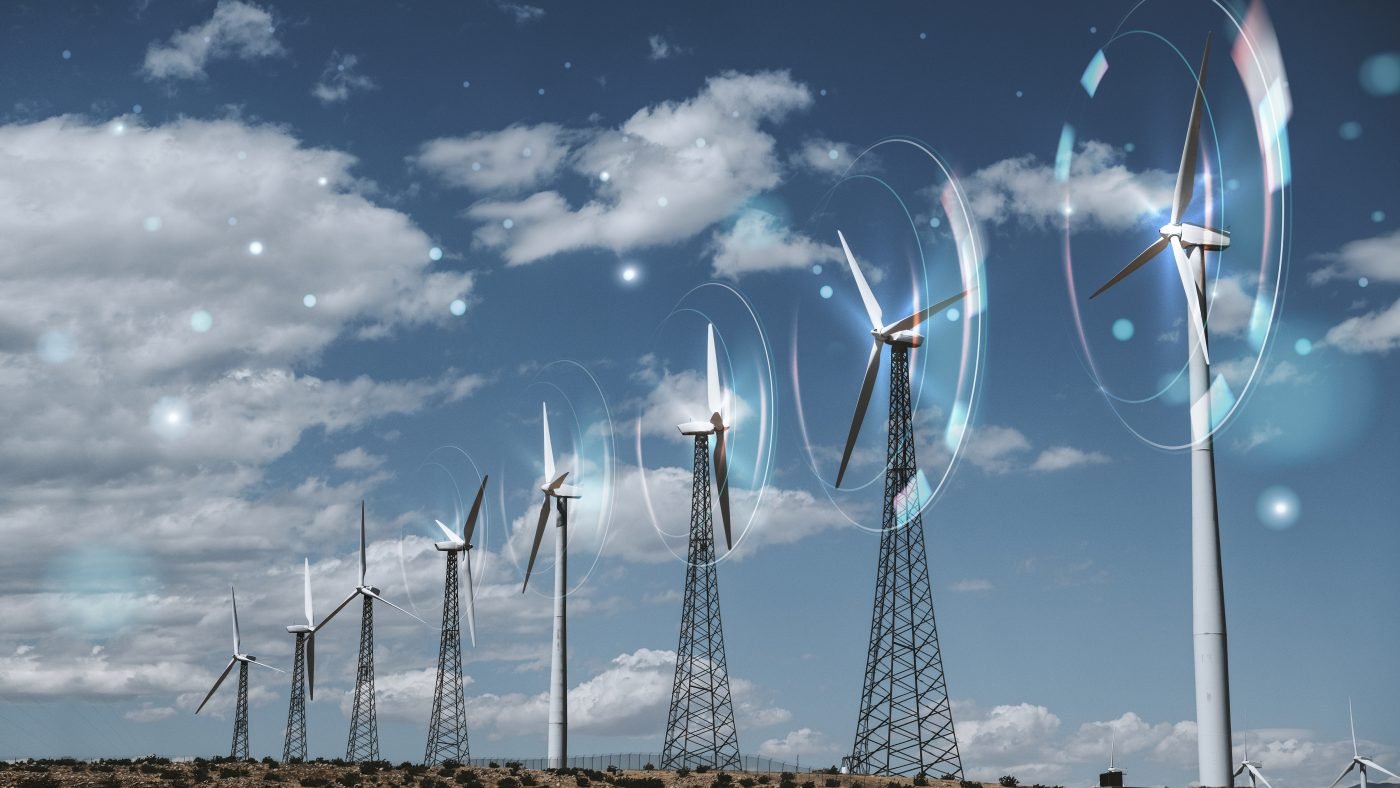
Wind energy technology captures the kinetic energy of wind through turbines to generate electricity. Key advancements include:
- Offshore wind farms with larger turbines
- Vertical-axis wind turbines for urban areas
- Smart wind monitoring systems for efficiency optimization
Wind power is ideal for large-scale electricity generation and complements solar energy by providing power during different times of the day or seasons.
3. Hydroelectric Power Technology
Hydroelectric power is one of the oldest forms of renewable energy technology. It uses flowing water to turn turbines and produce electricity. Modern innovations include:
- Small-scale hydroelectric systems for local communities
- Run-of-the-river technology minimizing environmental impact
- Pumped storage solutions to store excess energy
Hydropower remains crucial in balancing grid demands and supporting renewable energy integration.
4. Biomass Energy Technology
Biomass energy involves converting organic materials such as agricultural waste, wood, and algae into biofuels or electricity. Recent developments include:
- High-efficiency anaerobic digesters
- Advanced biofuel conversion techniques
- Sustainable feedstock sourcing
Biomass technology offers a carbon-neutral alternative to fossil fuels, especially in rural and agricultural regions.
5. Geothermal Energy Technology
Geothermal energy technology taps into the Earth’s internal heat for power generation and heating systems. Innovations include:
- Enhanced geothermal systems (EGS) for deeper heat extraction
- Hybrid geothermal-solar systems for consistent energy supply
- Smart geothermal pumps for residential and commercial buildings
Geothermal energy provides a stable and reliable renewable energy source with minimal environmental impact.
Benefits of Renewable Energy Technology
Investing in renewable energy technology brings multiple economic, environmental, and social benefits:
- Environmental Sustainability
Renewable energy reduces greenhouse gas emissions, air pollution, and dependence on fossil fuels, mitigating climate change effects. - Economic Growth
The renewable energy sector creates jobs in manufacturing, installation, and maintenance, stimulating local and national economies. - Energy Security
By diversifying energy sources, countries reduce reliance on imported fuels and stabilize energy prices. - Technological Innovation
Continuous research in renewable energy technology drives innovation, improving efficiency and lowering costs. - Community Development
Renewable projects in rural areas provide electricity access and economic opportunities to previously underserved populations.
Challenges in Renewable Energy Technology
Despite its advantages, renewable energy technology faces challenges:
- Intermittency: Solar and wind energy depend on weather conditions.
- High Initial Costs: Installation of advanced systems can be expensive.
- Storage Limitations: Efficient energy storage solutions like batteries are still developing.
- Grid Integration: Transitioning from centralized power systems to distributed renewable sources requires infrastructure upgrades.
Addressing these challenges is crucial for maximizing the potential of renewable energy technology globally.
Recent Innovations in Renewable Energy Technology
Technological advancements are transforming the renewable energy landscape:
- Smart Grids: Digital grids enhance efficiency and integrate multiple renewable sources.
- Energy Storage Systems: High-capacity batteries and hydrogen storage help mitigate intermittency.
- Floating Solar Farms: Solar panels on water bodies increase space efficiency.
- AI & IoT in Energy: Artificial intelligence predicts energy demand and optimizes production.
- Hybrid Renewable Systems: Combining solar, wind, and storage for continuous supply.
These innovations ensure renewable energy technology remains competitive and reliable.
The Global Impact of Renewable Energy Technology
Countries around the world are adopting renewable energy technology to combat climate change and secure sustainable development. Key trends include:
- Europe leading in wind and solar adoption
- Asia investing heavily in solar farms and electric mobility
- North America expanding offshore wind farms
- Developing nations leveraging small-scale solar and biomass projects
The adoption of renewable energy technology reduces global carbon footprints, improves energy access, and supports international climate goals like the Paris Agreement.
Future of Renewable Energy Technology
The future of renewable energy technology looks promising, with continued innovation and global collaboration. Emerging trends include:
- Advanced energy storage solutions
- Integration with smart cities and urban planning
- Expansion of offshore renewable projects
- Development of green hydrogen for industrial use
- AI-driven predictive energy management
As technology evolves, renewable energy will become more efficient, affordable, and widely accessible, playing a pivotal role in a sustainable energy transition.
Conclusion
Renewable energy technology is no longer a futuristic concept—it is a critical solution for sustainable development. By harnessing natural, replenishable resources, it reduces environmental impact, fosters economic growth, and ensures energy security. Innovations in solar, wind, hydro, biomass, and geothermal systems continue to push boundaries, making clean energy more accessible than ever.
Investing in and adopting renewable energy technology is not just an environmental imperative—it is an opportunity to build a greener, smarter, and more resilient world.
