

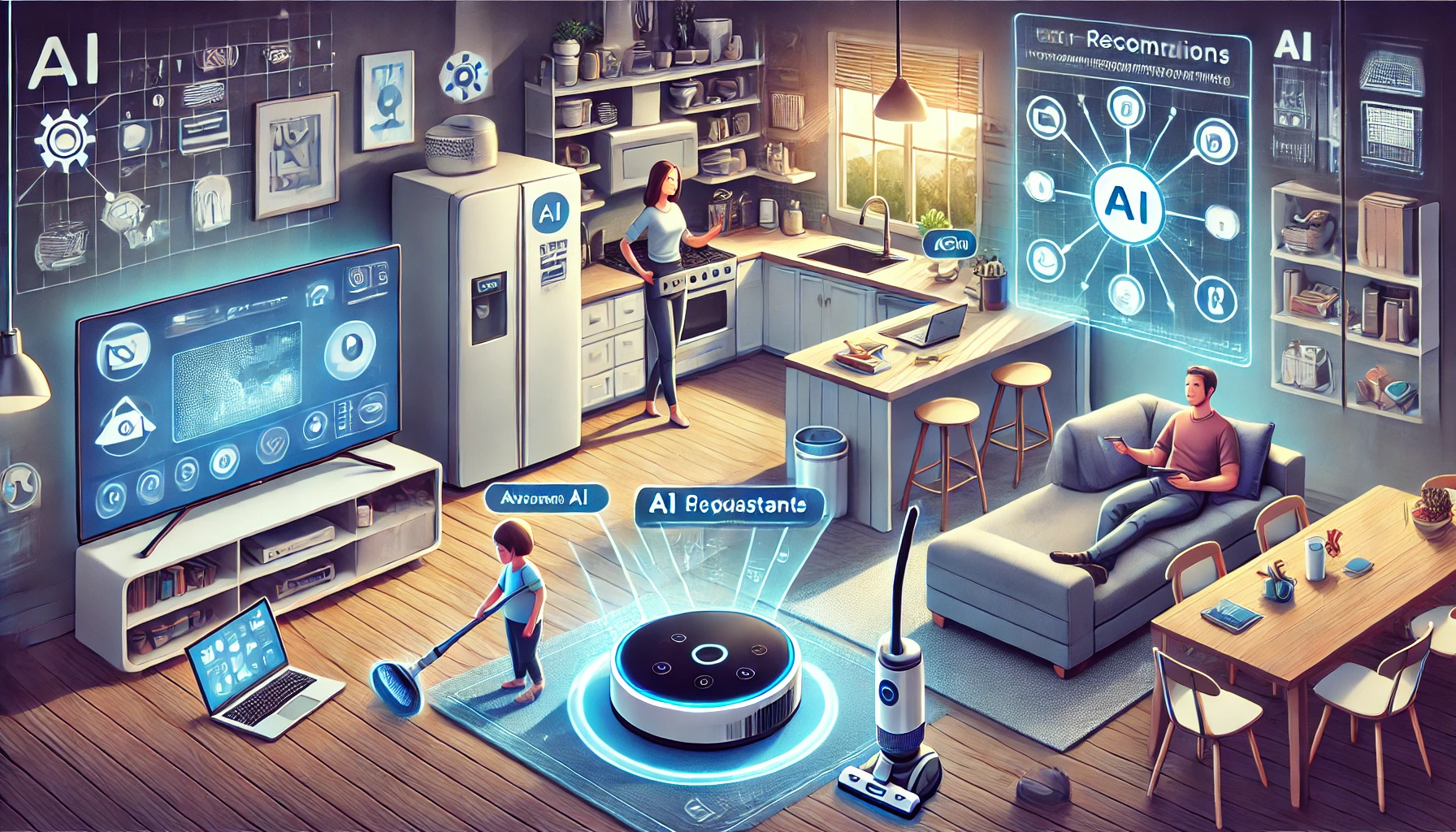
Artificial intelligence is no longer just a futuristic concept found in science fiction movies. Today, AI in daily life has become a powerful force that influences how people communicate, work, shop, learn, and entertain themselves. From smartphones and virtual assistants to smart homes and online services, artificial intelligence plays a crucial role in simplifying everyday tasks.
In recent years, technological advancements have made AI tools more accessible to the general public. Businesses, governments, and individuals are now using AI-driven systems to automate processes, improve decision-making, and enhance user experiences.
This article explores how AI in daily life is transforming modern living, highlighting its applications, benefits, challenges, and future possibilities.
Understanding AI in Daily Life
Artificial intelligence refers to computer systems designed to perform tasks that normally require human intelligence. These tasks include learning from data, recognizing patterns, understanding language, and making decisions.
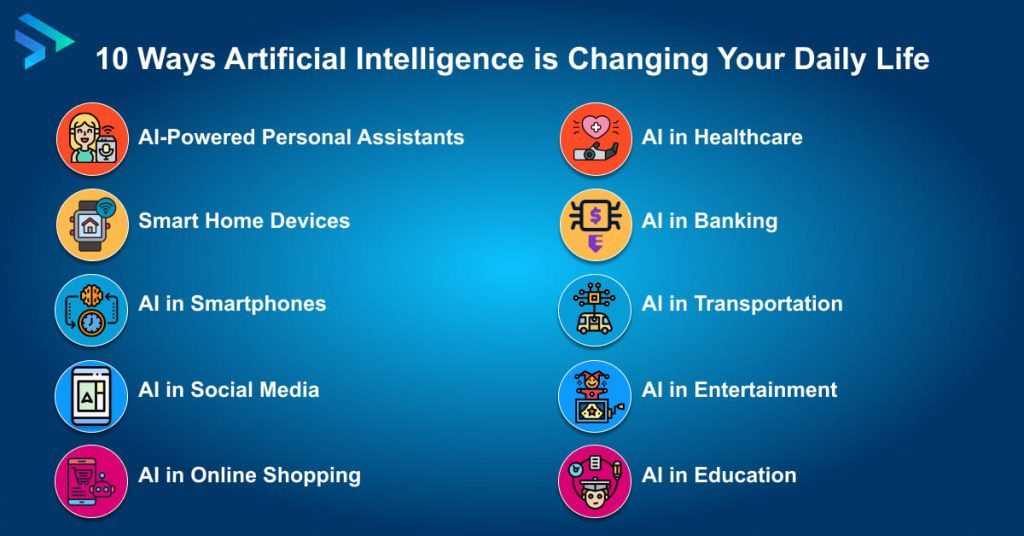
The growing presence of AI in daily life can be seen in various areas such as communication, transportation, healthcare, entertainment, and education. AI systems analyze massive amounts of data to provide personalized services, making everyday experiences more efficient and convenient.
For example, recommendation algorithms used by platforms like Netflix and Amazon analyze user preferences to suggest movies, products, or content that match individual interests.
Smart Assistants and AI in Daily Life
One of the most recognizable examples of AI in daily life is the use of virtual assistants. Voice-activated assistants have become common in homes, smartphones, and smart devices.
Popular AI assistants include:
- Google Assistant
- Amazon Alexa
- Siri
These assistants help users perform tasks such as:
- Setting reminders
- Sending messages
- Controlling smart home devices
- Searching for information online
- Playing music or podcasts
Voice recognition and natural language processing allow these assistants to understand human commands and respond quickly.
AI in Daily Life Through Smart Homes
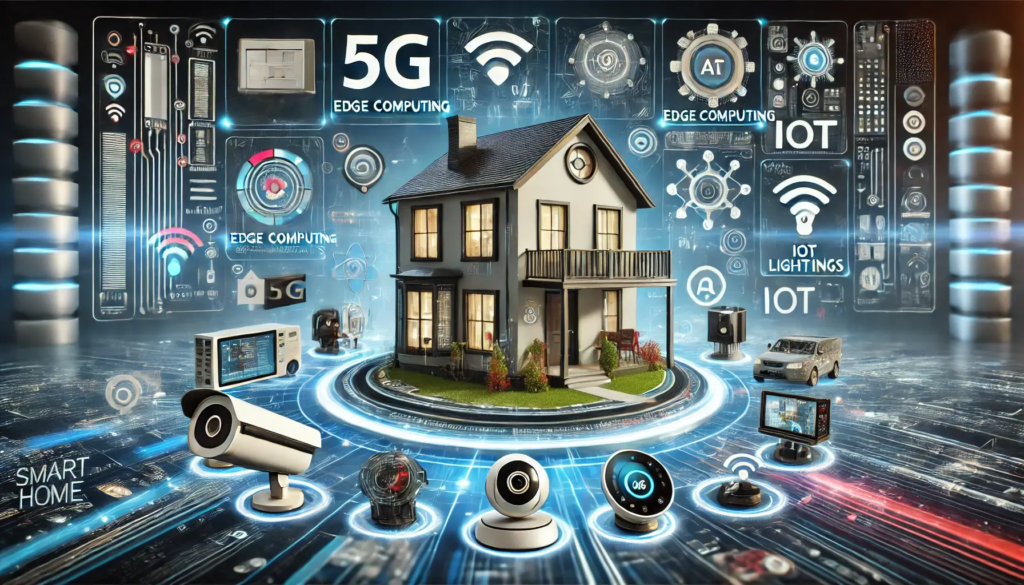
Smart home technology has significantly improved modern living. AI-powered devices allow homeowners to automate lighting, security, climate control, and entertainment systems.
Examples of smart home features powered by AI in daily life include:
- Smart thermostats that adjust temperature automatically
- AI security cameras that detect unusual activity
- Smart lighting systems that respond to voice commands
- Automated appliances that optimize energy usage
Smart home systems learn user behavior over time and adapt to preferences, making homes more comfortable and energy-efficient.
AI in Daily Life in Smartphones
Smartphones are among the most common devices demonstrating the impact of AI in daily life. Artificial intelligence improves various smartphone features, including photography, voice recognition, and predictive text.
AI helps smartphones perform tasks such as:
- Enhancing photo quality automatically
- Detecting faces and objects in images
- Suggesting replies in messaging apps
- Managing battery usage efficiently
- Providing personalized app recommendations
These intelligent features make smartphones more intuitive and user-friendly.
AI in Daily Life for Online Shopping
E-commerce platforms rely heavily on artificial intelligence to improve customer experiences. AI systems analyze user behavior, browsing history, and purchase patterns to offer personalized recommendations.
For example, platforms like Amazon use machine learning algorithms to suggest products that customers are likely to purchase.
AI also helps with:
- Chatbots that answer customer questions
- Fraud detection during online payments
- Personalized marketing campaigns
- Inventory management and logistics
As a result, AI in daily life has made online shopping faster, safer, and more convenient.
AI in Daily Life in Healthcare
Healthcare is one of the industries benefiting greatly from artificial intelligence. AI-powered systems assist doctors and medical professionals in diagnosing diseases, analyzing medical images, and developing treatment plans.
Examples of AI in daily life in healthcare include:
- AI diagnostic tools for detecting diseases
- Health monitoring apps and wearable devices
- AI-powered medical imaging analysis
- Virtual healthcare assistants
These technologies help improve accuracy, reduce medical errors, and provide better patient care.
AI in Daily Life in Education
Education has also been transformed by artificial intelligence. AI-powered learning platforms provide personalized learning experiences based on student performance and preferences.
Examples include:
- Adaptive learning platforms
- AI tutoring systems
- Automated grading tools
- Language learning applications
These tools help students learn at their own pace while providing teachers with insights into student progress.
AI in Daily Life in Transportation
Transportation systems increasingly rely on artificial intelligence to improve safety and efficiency. AI technologies help manage traffic, optimize routes, and support autonomous vehicles.
One notable example is the electric vehicle company Tesla, which uses advanced AI systems to support driver-assistance features and self-driving capabilities.
Other transportation applications include:
- Navigation apps that analyze traffic data
- AI-powered ride-sharing platforms
- Smart traffic management systems
These innovations demonstrate how AI in daily life is reshaping transportation networks.
AI in Daily Life for Entertainment
Entertainment platforms use artificial intelligence to deliver personalized experiences. AI algorithms analyze user preferences and behavior to recommend movies, music, and videos.
Streaming services like Netflix rely on AI recommendation systems to suggest content based on viewing history.
Similarly, music platforms such as Spotify create personalized playlists using AI algorithms.
These features ensure that users always find content that matches their interests.
Benefits of AI in Daily Life
The integration of AI in daily life offers numerous advantages for individuals and businesses.
Improved Efficiency
AI automates repetitive tasks, allowing people to focus on more important activities.
Personalized Experiences
AI systems analyze user preferences to provide customized services and recommendations.
Better Decision-Making
AI tools process large amounts of data quickly, helping organizations make informed decisions.
Increased Convenience
From voice assistants to automated systems, AI simplifies everyday tasks and saves time.
Challenges of AI in Daily Life
Despite its benefits, the increasing use of artificial intelligence also raises several concerns.
Privacy Issues
AI systems often collect large amounts of personal data, raising questions about data security and privacy.
Job Displacement
Automation powered by AI may replace certain jobs, especially repetitive tasks.
Ethical Concerns
The development and use of AI require responsible policies to prevent misuse or bias.
Addressing these challenges is essential to ensure the safe and ethical use of AI technologies.
Future of AI in Daily Life
The future of AI in daily life is expected to bring even more advanced innovations. As technology evolves, AI will become more integrated into everyday activities.
Future developments may include:
- Fully autonomous vehicles
- AI-powered healthcare diagnostics
- Intelligent personal assistants
- Smart cities with automated infrastructure
- Advanced robotics in homes and workplaces
These innovations will continue to transform the way people live, work, and interact with technology.
Conclusion
Artificial intelligence has already become a fundamental part of modern society. From smartphones and smart homes to healthcare and entertainment, AI in daily life continues to improve efficiency, convenience, and personalization.
As technology advances, the influence of artificial intelligence will expand across industries and everyday activities. Understanding the role of AI and embracing its benefits can help individuals and businesses stay prepared for the future.
The integration of AI in daily life is not just a technological trend—it represents a new era of innovation that is reshaping the world.
