

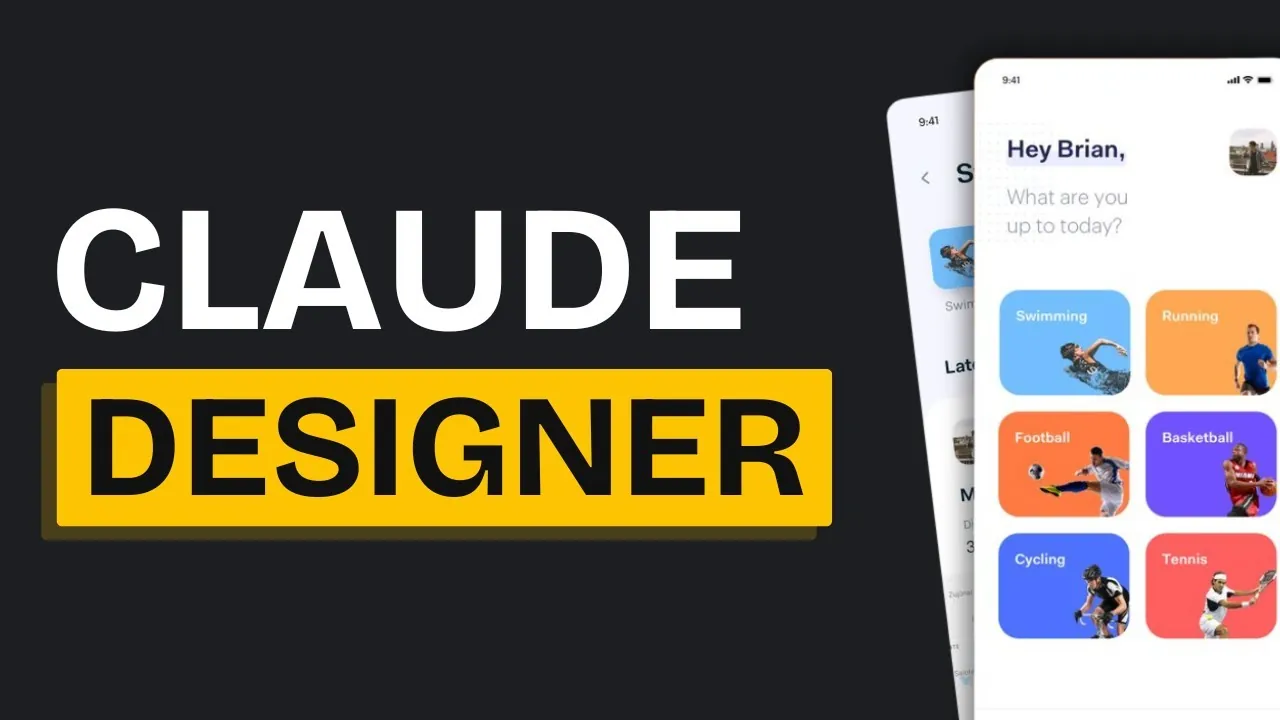
Why Claude Design Is Becoming a Talking Point in Modern Tech
The idea of claude design has started appearing more frequently in discussions around artificial intelligence, user experience, and digital product design. Instead of being just a visual style or branding term, it represents a broader shift in how AI-assisted tools influence creativity.
At the center of this shift is Anthropic, the organization behind the Claude AI system. As AI tools become more integrated into daily workflows, designers, developers, and content creators are beginning to rethink how design itself should evolve.
In simple terms, claude design is not just about how something looks—it’s about how intelligence, usability, and interaction merge into a single experience.
Understanding What Claude Design Really Means
Unlike traditional design systems that focus mainly on visuals, claude design is centered around interaction between humans and AI systems.
It emphasizes three key ideas:
- Simplicity in user interaction
- Natural language-based control
- Context-aware responses and layouts
Instead of forcing users to learn complex interfaces, systems influenced by this design philosophy aim to understand user intent more naturally.
This makes the experience feel less like operating software and more like having a conversation.
The Philosophy Behind Claude Design Thinking
The core philosophy of claude design is built around one question:
How can technology adapt to humans instead of humans adapting to technology?
This approach is heavily inspired by conversational AI systems developed by Anthropic.
Traditional UI design often relies on buttons, menus, and rigid navigation structures. In contrast, this new approach focuses on:
- Adaptive interfaces
- Contextual suggestions
- Minimal user effort
- AI-guided workflows
The goal is to reduce friction and make digital tools feel intuitive.
Claude Design in User Interface (UI) Systems
How Claude Design Influences UI Structure
In modern applications influenced by claude design, interfaces are no longer static. Instead, they adapt based on user behavior and intent.
For example:
- Menus change depending on user needs
- Suggestions appear before users search
- Layouts reorganize based on context
This dynamic approach creates a more personalized experience.
It also reduces cognitive load, meaning users spend less time figuring out how to use a tool and more time actually getting work done.
Claude Design and User Experience (UX) Evolution
Why Claude Design Improves UX
User experience is one of the strongest areas impacted by claude design principles.
Instead of overwhelming users with options, systems are designed to guide them naturally.
Key improvements include:
- Faster task completion
- Reduced learning curve
- More natural interactions
- Better accessibility for non-technical users
This makes digital products more inclusive and easier to adopt globally.
Role of AI in Claude Design Systems
How AI Powers Claude Design
The backbone of claude design is artificial intelligence. Without AI, this design philosophy would not exist in its current form.
AI helps by:
- Understanding user intent
- Predicting next actions
- Generating contextual responses
- Automating repetitive tasks
Systems developed by Anthropic show how conversational models can replace traditional navigation structures entirely.
Instead of clicking through layers of menus, users can simply ask for what they want.
Claude Design in Real-World Applications
Where Claude Design Is Being Used Today
Although still evolving, claude design principles are already being applied in several areas:
- AI chat assistants
- Content creation platforms
- Productivity tools
- Customer support systems
- Educational software
In each case, the goal is the same: simplify interaction between humans and machines.
For example, instead of manually searching documentation, users can ask an AI assistant and get immediate answers.
Claude Design vs Traditional Digital Design
Key Differences in Approach
Traditional design and claude design differ significantly.
| Traditional Design | Claude Design |
|---|---|
| Static UI layouts | Adaptive interfaces |
| Manual navigation | Conversational control |
| Button-driven actions | Intent-driven actions |
| Fixed workflows | Dynamic workflows |
This shift represents a move from “user-controlled systems” to “AI-assisted systems.”
Claude_Design in Web and App Development
Impact on Developers
Developers are also adapting to claude_design principles.
Instead of building rigid interfaces, they now focus on:
- API-driven experiences
- AI integration layers
- Modular UI components
- Context-aware systems
This changes how applications are planned and built from the ground up.
Developers are no longer just building interfaces—they are designing intelligent systems.
Claude_Design and Content Creation
How Creators Benefit from Claude_Design
Content creators are among the biggest beneficiaries of claude_design systems.
These tools help by:
- Generating content ideas
- Writing drafts based on prompts
- Suggesting improvements
- Automating formatting
This reduces workload and increases productivity significantly.
However, human creativity still plays a key role in guiding tone, direction, and originality.
Challenges in Claude_Design Implementation
Limitations of Claude_Design Systems
Despite its advantages, claude_design also faces challenges:
- High dependency on AI systems
- Data privacy concerns
- Occasional inaccurate outputs
- Lack of full human control
Balancing automation with user control remains one of the biggest design challenges.
The Future of Claude_Design
Where Claude_Design Is Heading
The future of claude_design looks closely tied to advancements in AI.
We can expect:
- Fully conversational operating systems
- Voice-first interfaces
- Zero-menu applications
- Hyper-personalized digital environments
As AI continues to evolve, the line between user and system will become even more blurred.
Platforms developed by Anthropic are likely to play a major role in shaping this future.
Why Claude_Design Matters in 2026
Importance in Modern Technology
In 2026, claude_design is more than a concept—it is becoming a design direction for future products.
It matters because:
- Users demand simplicity
- AI adoption is increasing
- Businesses want efficiency
- Digital tools are becoming more complex
This approach solves complexity by hiding it behind intelligent systems.
Final Thoughts on Claude Design
The evolution of claude_design reflects a major shift in how humans interact with technology. Instead of forcing users to adapt to systems, technology is finally adapting to users.
While still developing, this design philosophy is already influencing AI platforms, software tools, and digital experiences across industries.
As AI continues to improve, claude_design will likely become a standard rather than an innovation.
