

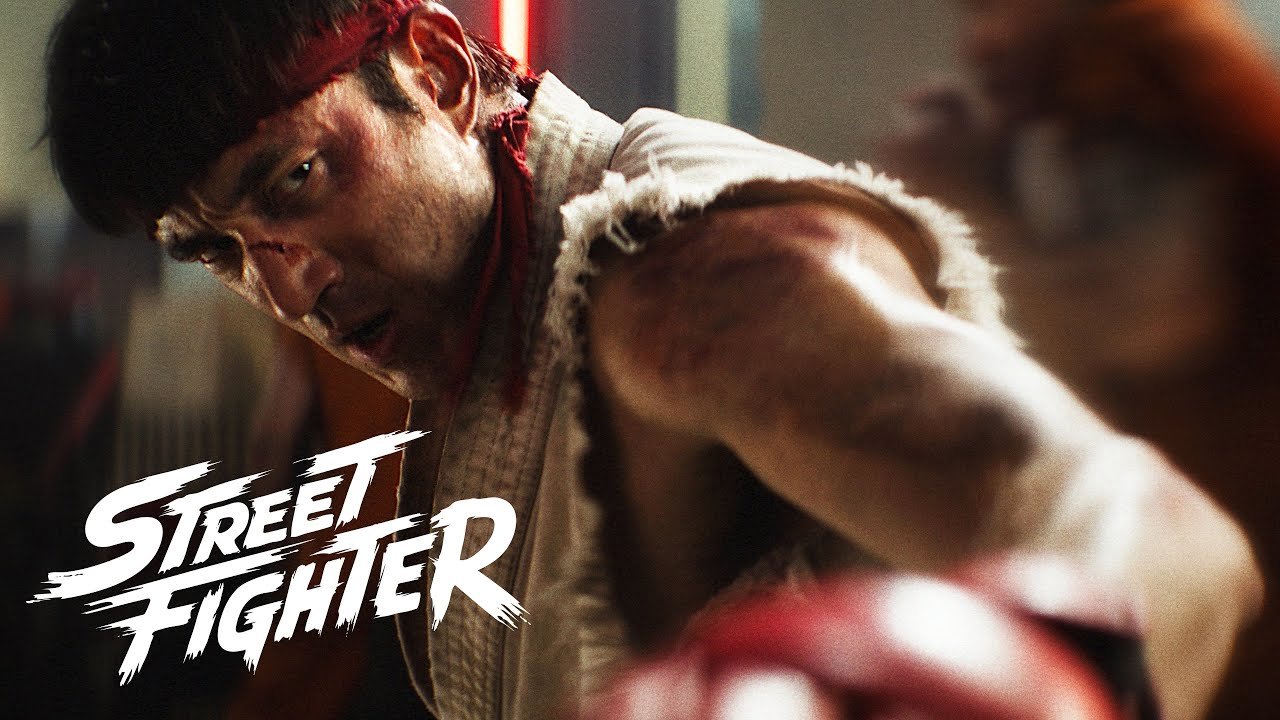
Introduction to Street Fighter 2026
When people talk about fighting games that shaped modern gaming culture, Street Fighter is always at the top of the list. From arcade machines to global esports arenas, the franchise has stayed relevant for decades. Now, the buzz around Street Fighter 2026 is growing again — but interestingly, most of it is a mix of expectations, rumors, and educated guesses rather than confirmed details.
Unlike older entries where announcements came with clear timelines, the discussion around Street Fighter 2026 feels more like a community-driven prediction than an official reveal. And that actually says a lot about how powerful the franchise has become — fans start imagining the next game even before developers fully speak about it.
Developed by Capcom, the Street Fighter series has never been just about fighting mechanics. It’s about identity, competition, and timing — and every new installment tries to balance nostalgia with innovation.
The long shadow of previous Street Fighter games
To understand why Street Fighter 2026 is such a hot topic, you have to look at what came before it. The franchise didn’t evolve in a straight line. Some versions were revolutionary, others were controversial, and a few needed updates to reach their full potential.
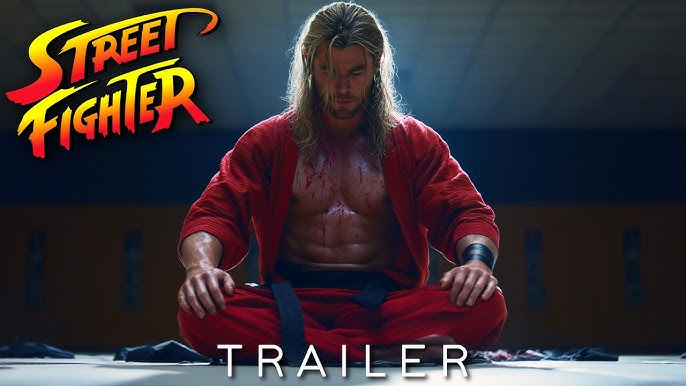
Games like Street Fighter V were heavily criticized at launch but later became competitive staples after updates. On the other hand, Street Fighter 6 managed to rebuild trust by offering smoother gameplay, better accessibility, and a stronger visual identity.
So naturally, when people mention Street Fighter 2026, they are not just thinking about a sequel — they are expecting a “perfected version” of everything the series has learned so far.
Why 2026 has become a keyword in the first place
Here’s something important: there is no officially confirmed major release simply titled “Street Fighter 2026” at the moment. The keyword itself is trending because of:
- speculation about next-generation updates
- esports roadmap discussions
- fan theories on franchise timing
- and SEO/content creation trends around future gaming titles
In other words, Street Fighter 2026 is more of a search concept than a confirmed product — but that doesn’t make it less interesting.
Gaming communities often create anticipation cycles like this, especially for franchises that have strong competitive scenes.
What fans actually expect from the next evolution
Instead of repeating features like “better graphics” or “new characters,” it’s more useful to understand the direction players want.
Most discussions around Street Fighter 2026 fall into three major expectations:
1. A deeper competitive system
Players don’t just want flashy combos anymore. They want systems that reward skill, timing, and strategy at a higher level. The esports scene has raised the bar significantly.
2. Less barrier for beginners
One of the biggest challenges fighting games face is accessibility. New players often struggle against experienced ones. The expectation is a smarter balance system that doesn’t sacrifice depth.
3. Long-term online stability
Modern fighting games live or die by their online experience. Players expect smoother matchmaking, better rollback netcode, and consistent updates.
These expectations are not officially confirmed for Street Fighter 2026, but they reflect where the genre is heading overall.
Characters will always be the heart of the franchise
No matter how advanced the mechanics become, Street Fighter is still defined by its characters. Ryu, Chun-Li, Ken — these names are not just fighters, they are gaming icons.
Any discussion about Street Fighter 2026 naturally includes curiosity about whether old characters will return, how they will be redesigned, and whether new fighters will bring fresh identity to the roster.
But here’s the interesting part: players today care less about how many characters are added and more about how unique each one feels to play. That shift in mindset is shaping modern fighting game development.
The esports angle nobody can ignore
One reason Street Fighter 2026 is heavily discussed is because of esports growth. Fighting games are no longer niche competitions — they are global events with serious prize pools, sponsorships, and professional players.

Capcom has been actively building competitive ecosystems through official tournaments and global circuits. So naturally, any future installment is expected to integrate tightly with competitive gaming structures.
If Street Fighter 2026 exists in any official form later, it will almost certainly be designed with esports in mind from day one — not as an afterthought.
Graphics are no longer the main selling point
A few years ago, the first thing people talked about was graphics. Today, that’s no longer enough.
For a modern title like the rumored Street Fighter 2026, visuals are expected to be strong by default. What really matters now is animation smoothness, responsiveness, and how “alive” the fights feel.
Players notice:
- frame timing
- hit detection clarity
- movement fluidity
- and input responsiveness
That’s where next-gen fighting games are judged.
The biggest uncertainty: is Street Fighter 2026 even a real project?
This is where things get interesting. Unlike clearly announced titles, Street Fighter 2026 does not currently exist as a confirmed official release with full details.
What exists instead is:
- fan anticipation
- speculative content
- keyword-based SEO discussions
- and general franchise forecasting
This is actually common in gaming journalism and SEO content — future years get attached to popular franchises to analyze “what could come next.”
So in reality, Street Fighter 2026 is less about a product and more about the future direction of the franchise.
Why this franchise never loses relevance
Even without confirmed updates, Street Fighter remains relevant because it sits in a rare category of games that define entire genres.

It’s not just a game series — it’s a competitive language used by millions of players worldwide. Every new version influences:
- esports meta
- controller design trends
- fighting game mechanics across other titles
That’s why even speculative topics like Street Fighter 2026 gain so much attention online.
Final thoughts
Whether or not Street Fighter 2026 becomes an official title, the conversation around it already tells us something important: the franchise still has massive cultural weight.
Developed by Capcom, Street Fighter continues to evolve not just as a game, but as a competitive ecosystem. And the expectations surrounding its future show that fans are no longer just waiting for a sequel — they are waiting for a new standard.
