


In today’s rapidly evolving industrial world, new technologies continue to transform how products are manufactured, designed, and optimized. One emerging concept that has gained attention in manufacturing and engineering sectors is Voiding Technology. This technology focuses on controlling or eliminating unwanted air pockets, empty spaces, or voids in materials and electronic components during production.
Understanding Voiding Technology is important because even small voids in materials can affect durability, conductivity, strength, and overall product reliability. From electronics manufacturing to packaging industries, companies are investing in advanced methods to manage void formation and improve product quality.
In this comprehensive guide, we will explore everything about Voiding Technology, including its definition, applications, benefits, challenges, and future innovations.
What Is Voiding Technology?
Voiding Technology refers to a set of techniques and engineering processes used to control, reduce, or eliminate voids (empty spaces or air pockets) that can occur during manufacturing. These voids may form in materials such as plastics, metals, solder joints, adhesives, and composite structures.
In many industrial applications, voids can weaken materials or reduce their efficiency. For example, in electronics manufacturing, voids inside solder joints can cause overheating and electrical failures.
By implementing Voiding Technology, manufacturers can monitor production conditions and use specialized processes to prevent these defects.
Why Voiding Technology Is Important in Modern Manufacturing
The importance of Voiding Technology has grown significantly due to the increasing complexity of modern products. Industries such as electronics, automotive, aerospace, and packaging rely on precise manufacturing processes where even microscopic defects can cause major problems.
Here are several reasons why Voiding Technology is critical:
- Improves product reliability
- Enhances structural strength
- Prevents electrical failures
- Extends product lifespan
- Maintains quality standards
As products become smaller and more advanced, controlling void formation becomes even more important.
How Voiding Technology Works
The working principle of Voiding Technology involves identifying conditions that lead to void formation and applying solutions to prevent them.
Voids typically occur due to:
- Trapped air during manufacturing
- Improper material mixing
- Incorrect temperature control
- Rapid cooling processes
- Poor pressure management
Manufacturers use advanced monitoring tools and controlled environments to minimize these issues. Specialized equipment can detect voids using imaging technologies and quality inspection systems.
Once identified, production parameters can be adjusted to eliminate or reduce void formation.
Types of Voids Addressed by Voiding Technology
Different industries deal with different types of voids. Voiding Technology is designed to address several common void types.
Air Voids
Air voids occur when air becomes trapped inside a material during production. These voids can weaken structural integrity.
Gas Voids
Gas voids form when gases are released during chemical reactions or heating processes.
Solder Voids
In electronics manufacturing, solder voids occur when small gaps form in solder joints connecting components to circuit boards.
Structural Voids
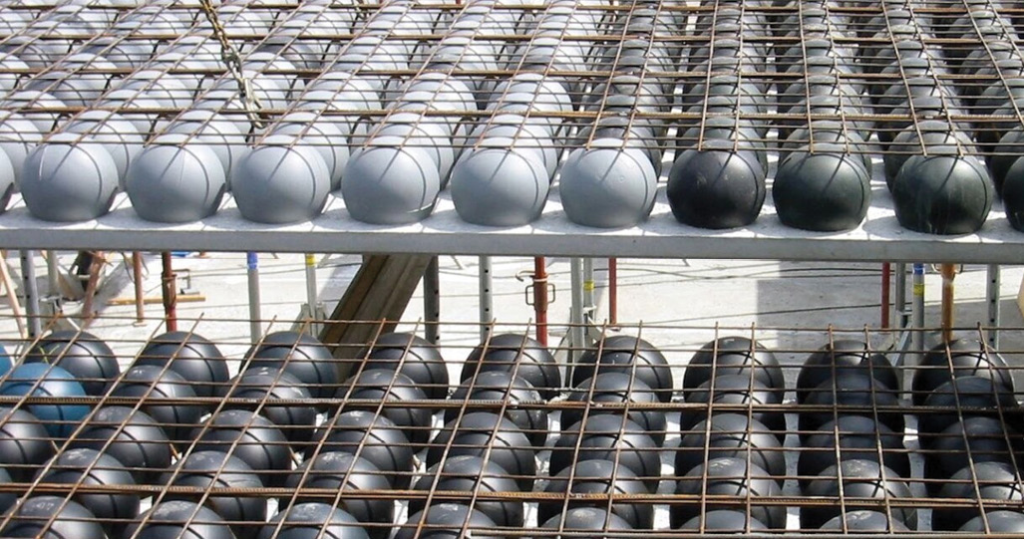
Structural voids appear in materials like concrete, plastics, or composite materials and can affect durability.
Through advanced Voiding Technology, manufacturers can detect and reduce these void types.
Applications of Voiding Technology in Different Industries
The impact of Voiding Technology can be seen across many industries that require precision and quality control.
Electronics Manufacturing and Voiding Technology
Electronics manufacturing is one of the most important fields using Voiding Technology. In printed circuit boards (PCBs), voids inside solder joints can lead to poor electrical conductivity and overheating.
Manufacturers use controlled soldering processes and inspection systems to reduce void formation and ensure reliable connections.
Automotive Industry and Voiding Technology
In the automotive industry, materials such as adhesives, sealants, and composite components must maintain strong structural integrity.
Voiding Technology helps ensure that automotive parts are free from defects that could compromise safety or performance.
Aerospace Industry and Voiding Technology
Aircraft components must meet extremely strict quality standards. Even small structural voids can affect performance or safety.
Advanced Voiding Technology is used in composite materials to ensure lightweight yet strong aircraft structures.
Packaging Industry and Voiding Technology
Packaging manufacturers use Voiding Technology to optimize packaging materials and reduce unnecessary air spaces. This improves packaging strength while reducing material waste.
Key Benefits of Voiding Technology
Implementing Voiding Technology offers numerous advantages for manufacturers and product developers.
Improved Product Reliability
By eliminating internal defects, products become more reliable and less prone to failure.
Higher Manufacturing Efficiency
Reducing production defects means fewer rejected products and lower manufacturing costs.
Enhanced Material Strength
Materials with fewer voids have greater structural integrity and durability.
Better Thermal and Electrical Performance
In electronic devices, minimizing voids improves heat transfer and electrical conductivity.
Reduced Waste and Sustainability
Efficient manufacturing processes reduce material waste and support sustainable production practices.
Challenges in Implementing Voiding Technology
Although Voiding Technology provides many benefits, implementing it can be challenging.
High Equipment Costs
Advanced inspection systems and manufacturing tools required for void control can be expensive.
Complex Production Processes
Some manufacturing processes require precise control of temperature, pressure, and material composition.
Skilled Workforce Requirements
Operating advanced equipment and monitoring systems requires trained engineers and technicians.
Continuous Monitoring
Maintaining void-free production requires constant quality control and monitoring systems.
Despite these challenges, many companies continue to adopt Voiding_Technology because of its long-term benefits.
Tools and Techniques Used in Voiding_Technology
Several tools and techniques are used to detect and control void formation during manufacturing.
X-Ray Inspection
X-ray imaging allows engineers to detect internal voids that are not visible on the surface.
Vacuum Processing
Vacuum systems remove trapped air from materials during production.
Controlled Temperature Systems
Maintaining precise temperature conditions prevents rapid gas formation that could create voids.
Pressure Control Systems
Proper pressure management ensures uniform material distribution during manufacturing.
These techniques are essential for effective Voiding_Technology implementation.
Future Trends in Voiding_Technology
The future of Voiding _Technology is closely linked to advancements in manufacturing automation and artificial intelligence.
Several innovations are expected to shape the industry:
- AI-powered defect detection systems
- Automated production monitoring
- Advanced materials with reduced void formation
- Smart manufacturing technologies
- Real-time quality control systems
These developments will make Voiding_Technology even more efficient and widely adopted across industries.
Tips for Manufacturers Adopting Voiding_Technology
Companies planning to adopt Voiding_Technology should consider several best practices.
Invest in Quality Inspection Systems
Advanced inspection technologies help detect voids early in the production process.
Train Engineering Teams
Skilled professionals are essential for managing complex manufacturing systems.
Optimize Production Parameters
Careful control of temperature, pressure, and material properties can reduce void formation.
Monitor Production Data
Continuous monitoring helps identify issues quickly and maintain consistent quality.
By following these practices, manufacturers can maximize the benefits of Voiding_Technology.
Conclusion
Voiding_Technology plays an increasingly important role in modern manufacturing. By controlling and eliminating internal defects such as air pockets and gas voids, manufacturers can produce stronger, more reliable, and higher-quality products.
From electronics and automotive components to aerospace structures and packaging materials, the applications of Voiding_Technology continue to expand across industries. As manufacturing technologies evolve, advanced inspection tools, automation systems, and AI-driven quality control will further enhance the effectiveness of void management.
For companies focused on improving product reliability and manufacturing efficiency, investing in Voiding_Technology is becoming an essential step toward achieving long-term success in competitive markets.
