
Introduction: What is Dead as Disco?
Dead as Disco is a game that grabs attention right from the start with its unusual name. The title combines two terms that, at first glance, seem like an odd match: “Dead” conveys something dark and eerie, while “Disco” evokes music, dance, vibrant colors, and a lively atmosphere. It is precisely this contrast that makes the game intriguing. Rather than relying solely on familiar genre tropes, the concept hinges on a unique blend of mood, style, and entertainment.
Such an approach can be particularly appealing to players because the core mechanics aren’t the only thing that matters; a game’s atmosphere can be just as crucial as its combat, puzzles, or gripping storyline. In the case of Dead as Disco, this creates a concept that appeals especially to fans of unconventional indie games and creative ideas. The title piques curiosity without immediately revealing every detail of the gameplay.
Dead as Disco could be of particular interest to fans of story-driven games, where plot and character development play an important role.
Another interesting aspect is the impact of the name itself. An unusual title can forge a distinct identity and ensure the game sticks in players’ minds. Dead as Disco sounds humorous, dark, and slightly eccentric all at once—a combination that suits a game that doesn’t necessarily follow the conventional path of a major mainstream title.
The Atmosphere and Distinctive Style of Dead as Disco
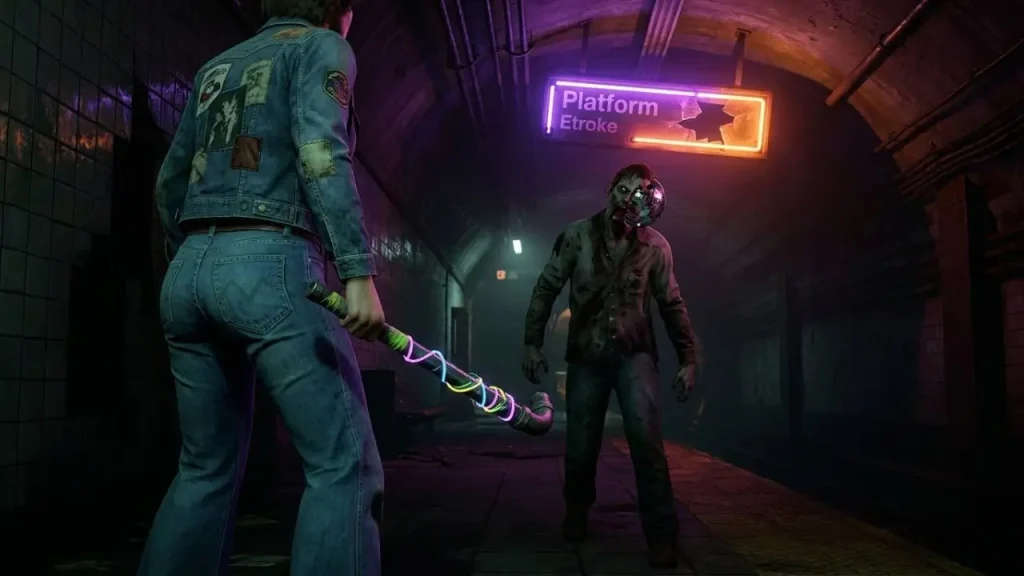
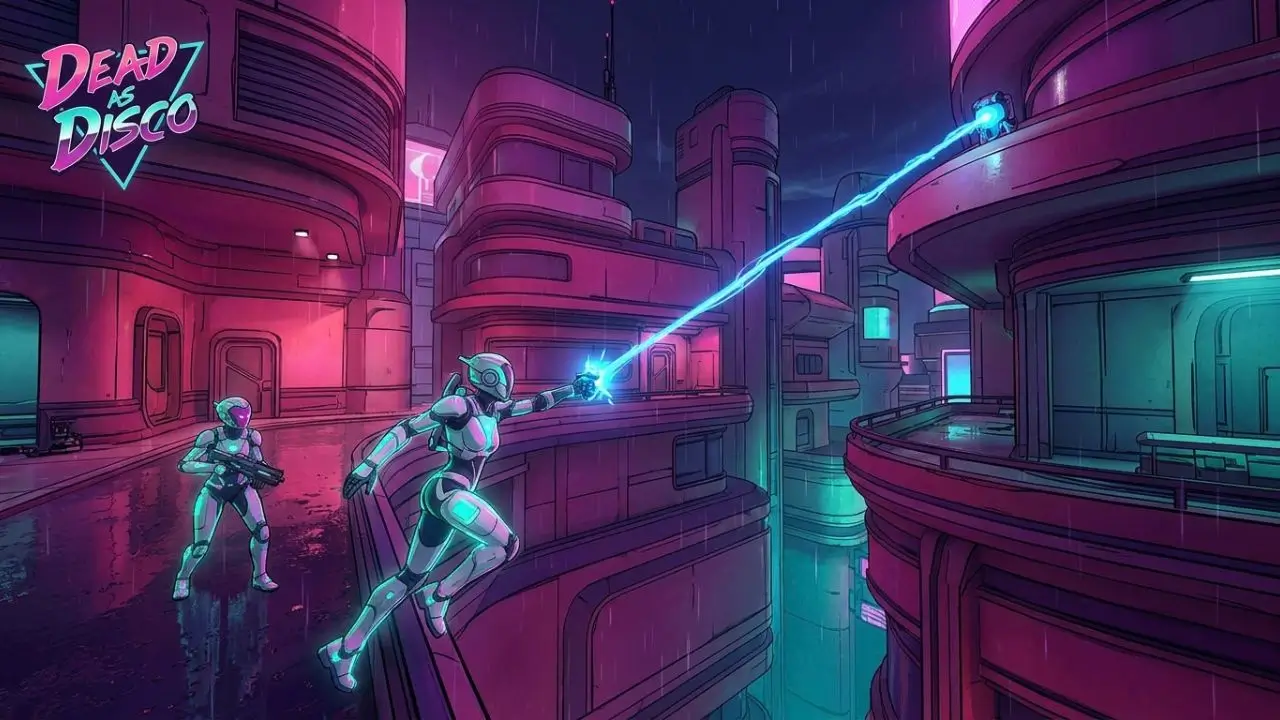
Atmosphere is one of those elements that can take on particular significance in a game like *Dead as Disco*. A title that deliberately plays with contrasts can shape its world in a similar way. Dark themes, for instance, can be combined with striking colors, music, or an unusual visual presentation. This creates a world that does not simply feel gloomy or cheerful, but rather conveys multiple moods simultaneously.
Smaller games, in particular, can be highly creative when crafting their atmosphere. They do not necessarily need to try to impress with massive open worlds or photorealistic graphics; instead, they can employ a distinct artistic style. A game with its own unique visual language often leaves a more lasting impression than a title that merely copies familiar designs.
Music as a Key Element
The word “Disco” in the title naturally makes the musical aspect interesting as well. In games, music can be far more than mere background accompaniment. A fitting soundtrack can build tension, heighten the emotional impact of scenes, or even influence the pace of gameplay. Especially for a game with such a striking name, its musical identity could be a crucial part of the overall experience.
The combination of rhythmic music and a potentially dark or chaotic game world offers plenty of scope for creative ideas. A fast-paced beat can make a scene feel completely different from a calm melody. It is precisely such contrasts that can help *Dead as Disco* develop a unique character of its own.
Gameplay: What players can expect from Dead as Disco
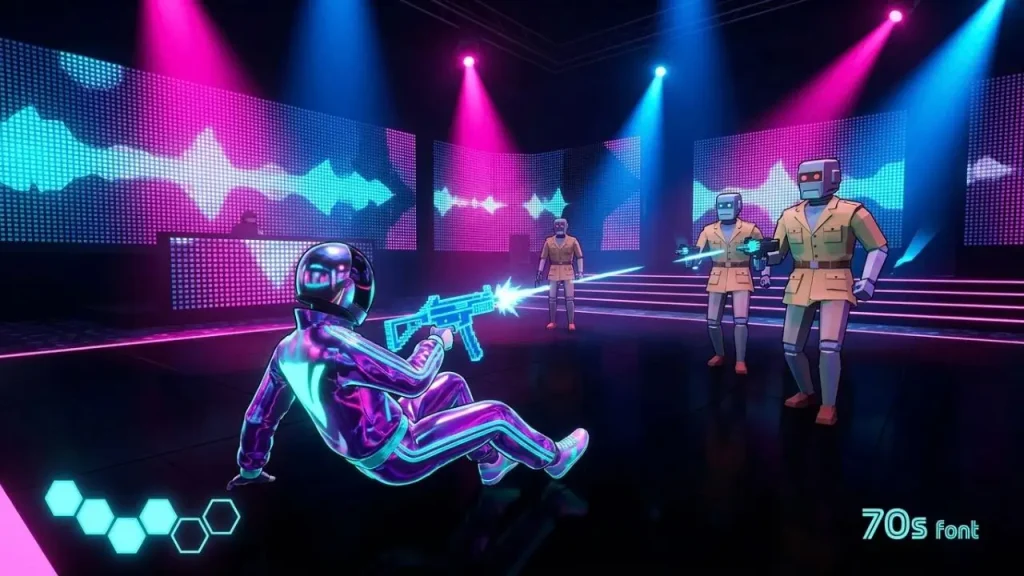
When it comes to gameplay, the most interesting question is how much Dead as Disco focuses on action, exploration, story or other gameplay elements. A good indie title doesn’t necessarily have to have many different mechanics. A game often works better if it consistently implements a few ideas and connects them together in a meaningful way.
Players don’t just pay attention to whether a mechanic basically works. What also matters is how it feels while playing. Movements should be understandable, actions should respond to input, and challenges should have a understandable purpose. When gameplay and atmosphere work well together, the overall experience is much more compelling.
Exploration and Discovery
Exploration can also play a significant role. When a game world features interesting locations, hidden areas, or subtle details, players are given a reason to look more closely. This does not necessarily require a massive open world; even small, carefully crafted areas can be compelling if they offer clues about the story or the setting.
Paying attention to such details is particularly rewarding in unconventional games. Developers can convey information through environments, objects, music, and characters without explicitly spelling everything out. This fosters a sense of discovery, allowing players to piece things together themselves rather than simply being guided through a series of tasks.
The Story, Characters, and World of Dead as Disco
An interesting game world does not necessarily require a complex plot. Often, a clear, fundamental concept—consistently executed—is enough. With *Dead as Disco*, the title itself sparks questions: Why link “Dead” with “Disco”? What kind of world lies behind this? What role do the characters play? And what events make such an unusual combination make sense in the first place?
Questions like these can be a key source of motivation. Players often want to know what lies behind an unusual scenario. Good stories do not always reveal information immediately; instead, they can dole out clues gradually, compelling the player to keep playing.
Characters Create a Connection
Characters play a particularly important role in this regard. Even a stylized or eccentric game world works better when the figures have relatable goals. A character does not need to be written realistically to be compelling; humor, conflict, relationships, and personal choices can all imbue a character with personality.
Supporting characters can also make a world feel significantly more alive. A brief exchange of dialogue, an unusual behavior, or a small environmental detail can sometimes reveal more about a character than a lengthy explanation. Such details help make the game world feel authentic.
The connection between story and gameplay is also crucial. If a narrative appears only between actual gameplay segments, it can feel disconnected from the game itself. Conversely, when tasks, the environment, and the story are intertwined, the result is a more seamless experience. This is particularly interesting in the case of indie games, which often operate with limited resources and therefore rely on a strong central concept.
Who might find *Dead as Disco* interesting?

*Dead as Disco* is likely to appeal primarily to players who enjoy trying out new and unusual games. Someone looking exclusively for major blockbusters with massive game worlds might view a title like this differently than someone who prefers creative indie projects; indie games often thrive on unique ideas and a distinctive artistic style.
Fans of unconventional concepts might find the combination of a striking title, a unique atmosphere, and potentially unusual gameplay ideas particularly appealing. A game doesn’t need to last hundreds of hours to leave a lasting impression; sometimes, a clear vision executed consistently is enough.
A game for players who enjoy experimenting
Players who like discovering titles off the beaten path also know that smaller games often hold surprises in store. Sometimes, you encounter mechanics, storytelling techniques, or visual styles that later appear in larger productions.
Anyone wishing to try *Dead as Disco* should therefore approach the game with an open mind. The unusual name already hints that one shouldn’t necessarily expect a run-of-the-mill gaming experience. Instead of looking for familiar patterns, it may be more rewarding to simply let the experience unfold step by step.
What Could Set *Dead as Disco* Apart from Other Games
The greatest appeal of *Dead as Disco* may well lie in its unique identity. Many games can easily be assigned to a familiar genre based on their name alone; with *Dead as Disco*, it is not that simple. The title deliberately leaves room for questions and sparks curiosity.
This distinctiveness can be a major advantage for an indie game. When a title possesses a clearly recognizable character, players find it easier to remember. This is especially true when the name, music, graphics, story, and gameplay all follow the same creative direction.
Another potential point of distinction lies in the blending of different moods. Humor and dark elements need not be mutually exclusive; on the contrary, the contrast itself can create interesting situations. A seemingly cheerful environment can suddenly feel eerie due to the narrative, while a serious situation might take a surprising turn through music or visual elements.
Of course, a game’s actual quality does not depend solely on its premise. Ultimately, execution determines whether an interesting concept works as a game. Controls, technical stability, level design, narrative pacing, and the handling of game mechanics all play a crucial role.
Verdict: Is Dead as Disco worth a look?
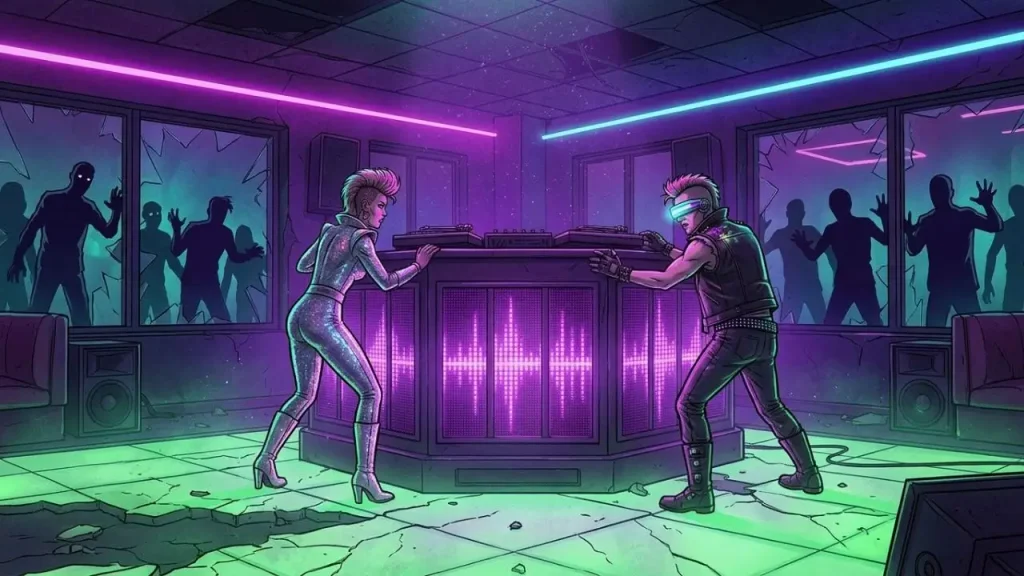
Dead as Disco is an intriguing title, if only for its unusual concept. The combination of a somber term and the colorful imagery of a disco immediately creates a sense of anticipation. Players who enjoy discovering creative indie games, in particular, might find themselves drawn to this unique identity.
The potential for atmosphere, music, story, and gameplay to intertwine is especially compelling. A game doesn’t need to be massive or complex to be interesting; a strong concept, a distinct artistic direction, and solid execution can be just as effective.
Gameplay: What players can expect from Dead as Disco
Anyone who enjoys unconventional games should therefore keep Dead as Disco on their radar. The title promises an experience that defies easy categorization. It is precisely this blend of curiosity, style, and unique presentation that makes the game so interesting.
Frequently Asked Questions about Dead as Disco
1. What is Dead as Disco?
Dead as Disco is an unusual game title; the name itself suggests a blend of dark elements with musical or colorful ones. The concept appeals particularly to players interested in creative and distinctive games.
2. What genre does Dead as Disco belong to?
Its precise genre classification depends on the game’s specific gameplay elements. Given its unusual concept, the title should not be pigeonholed into a specific genre based solely on its name.
3. Is Dead as Disco an indie game?
The title appears to fall into the category of creative or independent games. However, official information from the developers or publisher should be consulted for a definitive classification.
4. Why is the game called Dead as Disco?
The name combines the words “Dead” and “Disco.” This unusual contrast sparks curiosity and may hint at a game world where dark themes are combined with music, humor, or striking visual design.
5. Who would find Dead as Disco interesting?
The game may be of particular interest to those who enjoy unusual concepts, creative indie games, unique atmospheres, and titles that break away from typical mainstream formulas.