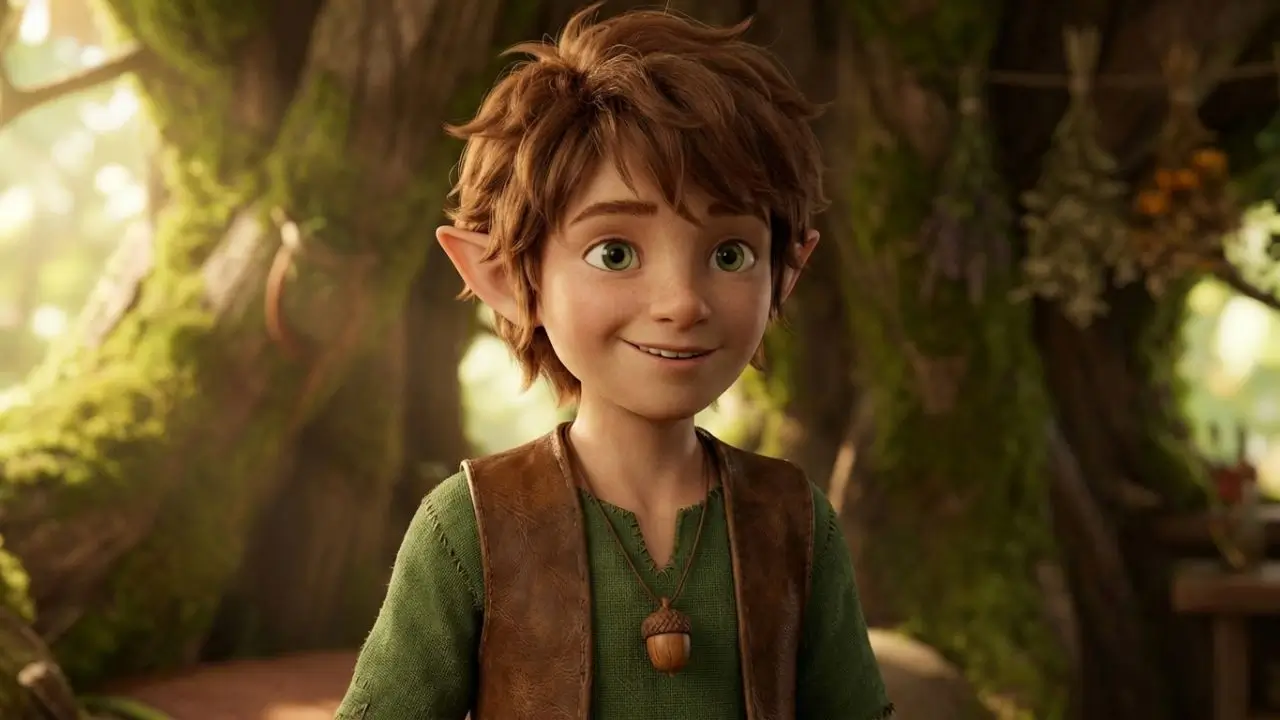

Some characters stand out immediately because they differ from the norm. “max the elf” is a name that sparks interest through its unusual blend of fantasy, personality, and playful aesthetics. While the name initially suggests a classic fantasy figure, it is the specific details surrounding the character that captivate curious audiences and fans.
In stories, elves are often portrayed as mysterious, elegant, or magical beings. Max can play with this familiar image, subvert it, or take it in a completely new direction. It is precisely this combination of familiar fantasy elements and a distinct personality that makes the character so compelling.
Especially in story-driven games, interesting characters, personal conflicts, and a strong world can help players develop a deeper connection to the story.
Anyone encountering “max the elf” for the first time usually wants to know more than just the name. Where does the character come from? What traits define them? Why do they resonate with people? And what elements make them unique? A closer look reveals that the true appeal lies in the interplay between character, visual design, and narrative potential.
Who is max the elf?
Max the elf can initially be understood as a fantasy-oriented figure whose identity is closely linked to the classic elf archetype. The term “elf” immediately evokes specific images: pointed ears, a deep connection to nature, special abilities, and a world where magic plays a greater role than in our own reality. However, Max need not simply adopt these traditional traits.
A modern fantasy character, in particular, can play with such expectations. Instead of merely appearing friendly, mystical, or elegant, Max can combine a variety of character traits. After all, a character’s appeal stems from more than just their appearance; their decisions, relationships, weaknesses, and goals are what allow them to be perceived as a distinct personality.
A detailed account of various elven peoples and their history can be found, for example, in the [Dragon Age Wiki entry on elves].
This makes the character appealing to a wide range of fantasy fans. Some people appreciate elves for their magical nature, while others are drawn in by a compelling story or a unique character design. Consequently, Max can serve as a starting point for various types of fantasy narratives.
Between Classic Fantasy and Modern Portrayal
The theme of elves has a long tradition in fantasy storytelling. They are often depicted as beings deeply connected to nature and possessed of special abilities. At the same time, their portrayal has evolved significantly in modern games, films, books, and online content.
A character like Max can benefit from these familiar tropes without being strictly bound by them. Modern fantasy allows authors and developers to recombine classic elements in new ways. As a result, an elf might come across as humorous, adventurous, curious, or even surprisingly ordinary.
This blend often makes a character more relatable. Readers or viewers recognize the familiar fantasy motif while simultaneously discovering something new. This is precisely what makes “Max the Elf” so appealing.
The Character Profile of Max the Elf
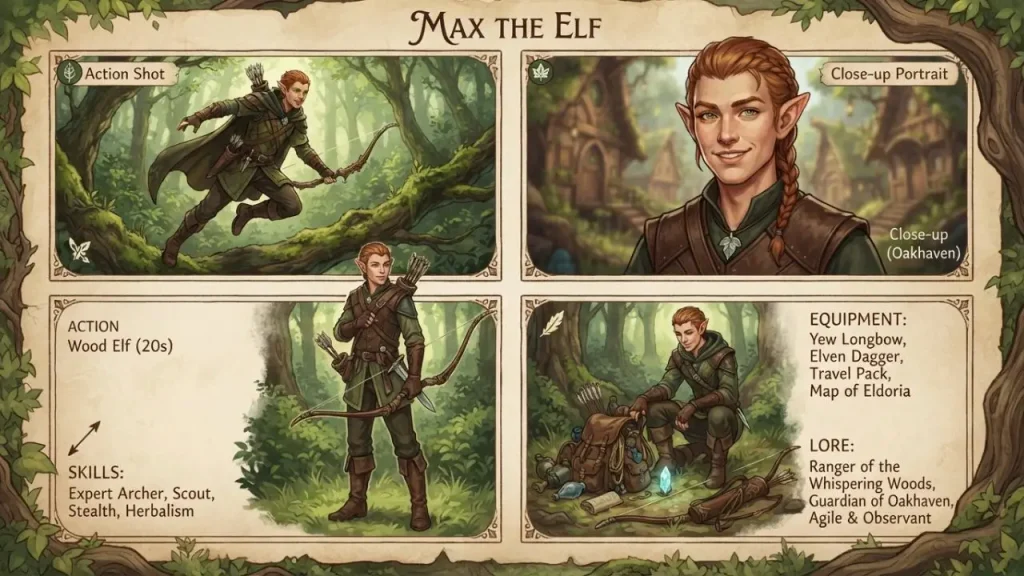
A compelling fantasy character requires more than just a striking appearance; how they behave in various situations is crucial. In the case of Max the Elf, the contrast between a fantastical identity and traits that seem human can be particularly interesting.
Curiosity, for instance, is a quality that quickly brings a character to life. A curious character does not simply stand still in one place; they ask questions, explore new surroundings, and may find themselves in situations they never anticipated. This naturally creates opportunities for adventure and personal growth.
Humor can also play a significant role. Fantasy need not be constantly serious or dramatic. A character who reacts with surprising ease or humor within a magical setting can create a powerful contrast, making the story feel less predictable.
Strengths and weaknesses make a character believable.
Perfect characters are not automatically interesting characters. If a character handles every task effortlessly, tension quickly evaporates. Weaknesses, on the other hand, create opportunities for conflict and growth.
Max, for instance, might struggle to make decisions, trust others, or handle a specific responsibility. Such traits make a fantasy character more relatable. Even in a magical world, emotional struggles can remain understandable.
A compelling character is therefore created through a balance of strengths and weaknesses. Courage is more interesting when a character also experiences fear. Intelligence seems more credible when it cannot solve every problem instantly. And self-confidence gains significance when it occasionally wavers.
The world surrounding Max the Elf
A fantasy character rarely functions in complete isolation from their environment. The world in which Max lives or appears shapes the possibilities, dangers, and relationships he encounters. Consequently, a well-crafted fantasy world can be just as fascinating as the protagonist himself.
An elf story offers a wealth of potential elements: mysterious forests, hidden villages, ancient ruins, magical artifacts, or locations accessible only under specific conditions. Such settings need not be merely decorative; they can become integral to the plot and influence the character’s decisions.
A good example of a fantasy world featuring an elf character can also be found in DQM: The Dark Prince, where Rose accompanies Psaro on his journey.
A fantasy world becomes particularly compelling when it operates according to its own rules. Magic, for instance, should not function in a completely arbitrary manner. When specific powers have limitations or come at a price, more interesting conflicts naturally arise.
Adventure and Discovery
Adventure is a classic element of any elf story. Max might stumble upon unknown places, uncover ancient secrets, or encounter figures whose goals do not align with his own.
However, an adventure need not always consist of epic battles. A quest to find a lost object can be just as thrilling as a fight against a powerful foe. Riddles, hidden clues, and difficult choices can actually make a story feel more personal.
The most compelling adventures are often those in which the protagonist is no longer the same person at the end as they were at the start. New experiences can transform Max, challenge his existing beliefs, or lead to the formation of new relationships.
Why “Max the Elf” Can Capture Attention
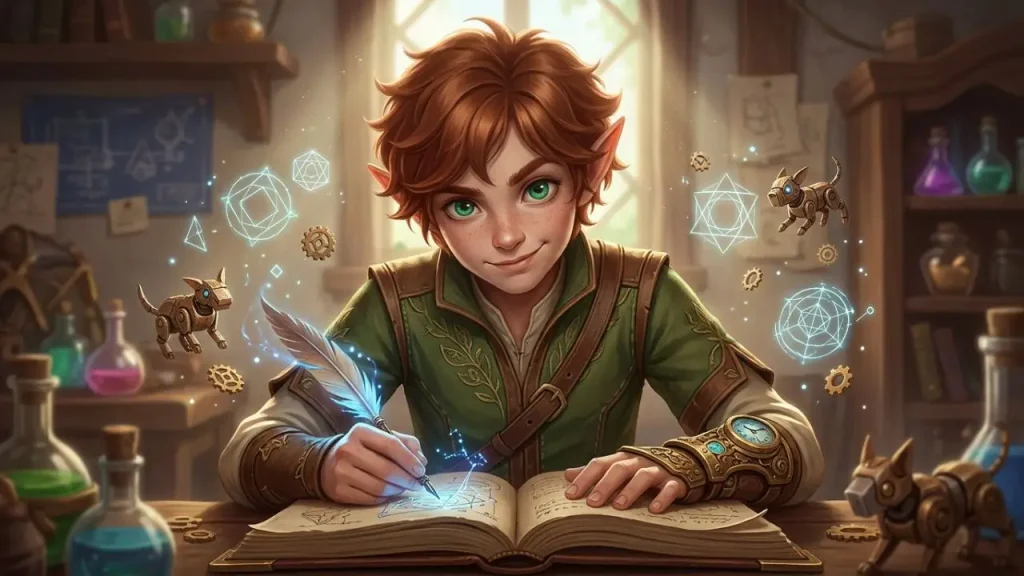
An unusual name alone is usually not enough to keep a character interesting in the long run. What matters is the combination of memorability and narrative potential. Max already embodies a certain contrast by pairing an ordinary first name with the fantastical term “Elf.”
This combination feels less distant than a purely mythological name. “Max” sounds familiar and unpretentious, while “Elf” immediately evokes a world of fantasy. The result is a character who feels both accessible and unique.
Visual presentation plays a crucial role, too. Clothing, colors, facial expressions, hairstyles, ears, accessories, and the surrounding environment all convey information about a character before a single word is spoken. A well-crafted design can therefore help ensure a character leaves a lasting impression.
Personality Over Mere Appearance
A striking character design is a good start, but it doesn’t make for a complete story. Fans usually form a stronger bond with a character once they get to know their personality.
This can happen through small details. How does Max react to danger? How does the character treat friends? What happens when a mistake is made? What matters most to them? Questions like these give a character depth.
With fantasy characters in particular, there is a risk of focusing too much on magic and visuals. However, a character only becomes truly interesting when there is a relatable personality beneath the fantastical exterior.
What makes “Max the Elf” an interesting fantasy concept?
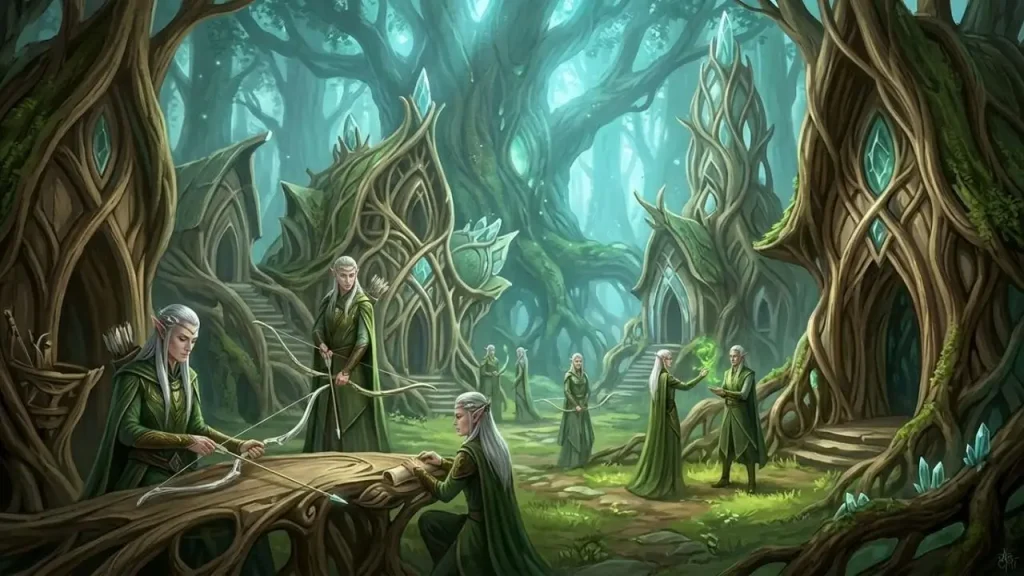
A major advantage of the elf theme is its versatility. Elves can work in adventure, fantasy, comedy, role-playing, or even mystery stories. This opens up numerous possibilities for different storytelling styles.
If you enjoy character-driven adventures like these, you can also explore our selection of the [Best Story Games of All Time].
For instance, Max could be a curious adventurer exploring an unknown world. Alternatively, the character could focus more on relationships, humor, or personal challenges. The core concept can be adapted to many different types of stories.
Another interesting aspect is the opportunity to deliberately subvert classic fantasy expectations. If readers automatically associate certain traits with elves, a story can play on those expectations—and then surprise the audience.
The Significance of Identity
The theme of identity is particularly well-suited to a character like Max. A character positioned between different worlds or sets of expectations offers ample opportunity for personal conflict.
Max might not feel a sense of complete belonging to any specific group. The character may need to discover what role they truly wish to assume, or perhaps they realize that others’ perceptions of elves do not align with their own reality.
Such questions transcend the conventions of classic fantasy. They explore themes like friendship, self-confidence, belonging, and personal transformation. In doing so, a fantasy character can appeal even to readers who do not typically turn to the genre solely for the magic.
Conclusion
“Max the Elf” combines a familiar fantasy motif with a character who has the potential to become compelling through personality, design, and narrative possibilities. The term “Elf” immediately evokes a world of magic, nature, and adventure, while the name “Max” lends the character a modern, accessible touch.
The concept becomes particularly exciting when Max is portrayed as more than just an attractive fantasy figure—possessing genuine strengths, weaknesses, goals, and conflicts. A believable personality can transform a simple character design into a truly memorable figure.
Ultimately, the strength of “Max the Elf” lies in the wealth of possibilities the concept offers. Whether the genre is adventure, mystery, humor, or a more personal tale, a well-developed elf character can thrive in a wide variety of stories. The crucial factor remains that an interesting personality lies beneath the fantastical appearance.
Frequently Asked Questions about “max the elf”
1. What does “max the elf” mean?
“max the elf” refers to a fantasy-oriented figure—or an elf-themed concept—centered on the character Max. The name combines an ordinary first name with the classic fantasy term “elf.”
2. Is “max the elf” a classic fantasy figure?
The elf theme stems from a long fantasy tradition, but modern elf characters do not have to conform strictly to classic archetypes. Max can blend traditional elements with a more modern personality and portrayal.
3. What traits suit “max the elf”?
Traits such as curiosity, courage, humor, a spirit of adventure, and self-confidence are well-suited to a character like this. At the same time, weaknesses and personal challenges make a character more believable.
4. Why are elves so popular in fantasy stories?
Elves offer a wealth of narrative possibilities. They can be linked to magic, nature, ancient cultures, adventure, and mysterious worlds, allowing them to be integrated into a wide variety of fantasy stories.
5. What makes “max the elf” interesting?
The contrast between the familiar name “Max” and the fantastical term “elf” makes the concept instantly recognizable. However, the character’s personality, development, and the world in which they are portrayed are even more important.